
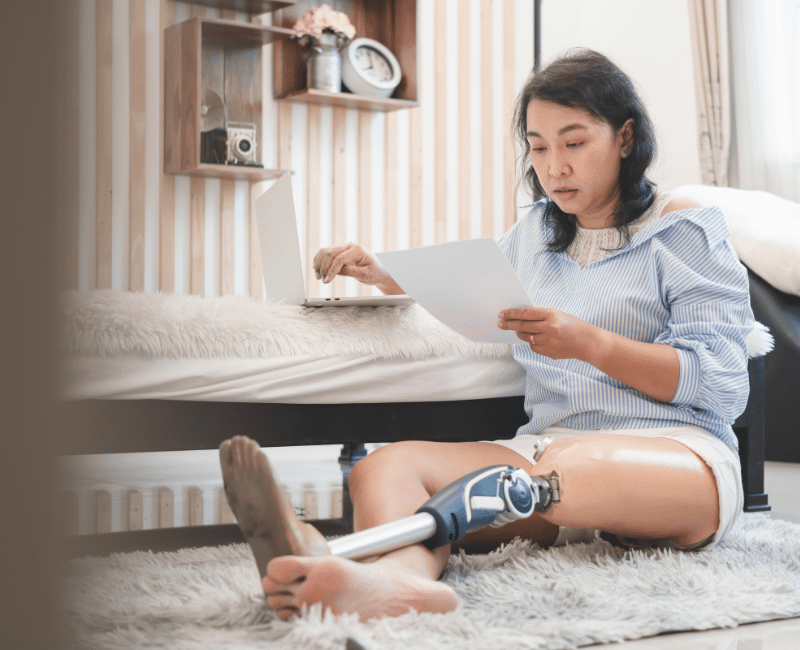
Adapting to life with a lower extremity prosthetic device can be both a hopeful and uncertain experience. Whether due to injury, illness, or congenital conditions, individuals often wonder what the fitting process will entail and how it will affect their daily lives. Understanding what to expect during this process can help ease concerns and promote a smoother transition to greater mobility and independence.
Initial Consultation: Setting Goals and Understanding Needs
The journey towards increased stability and mobility with a lower extremity prosthesis begins with a comprehensive evaluation. During the initial consultation, clinicians assess the patient’s overall health, limb condition, and lifestyle requirements. This foundational step enables them to recommend the most suitable device, whether it’s a prosthetic leg above knee or another type of prosthesis.
Clinicians will also discuss personal goals, such as returning to work, engaging in sports, or simply walking comfortably. By aligning expectations early on, both patient and practitioner can work together toward a functional and personalized solution.
Casting and Measurement: Customizing the Fit
After the initial assessment, precise measurements are taken to customize the prosthetic device. This stage typically involves casting, where a mold of the residual limb is created. The mold serves as the blueprint for the socket—the part of the prosthesis that interfaces directly with the body.
Accuracy during casting and measurement is vital. A well-fitting socket minimizes discomfort and prevents issues such as skin irritation or pressure sores. Advanced technology, including digital scanning, may be used to further enhance the customization process for improved comfort and stability.
Trial Fittings: Adjusting for Comfort and Function
Once the socket is fabricated, the next phase involves one or more trial fittings. During these appointments, the prosthetist assesses alignment, fit, and function of the device. Patients are encouraged to provide feedback on areas of discomfort or instability, as these sessions are designed for iterative adjustments.
A checklist for trial fittings may include:
● Checking for any pressure points or areas of discomfort
● Assessing balance and weight distribution
● Ensuring proper alignment of the limb and device
● Testing stability while standing and walking
● Making necessary modifications to enhance fit
This collaborative process ensures the prosthesis is optimized for daily use before moving to the final fitting stage.
Gait Training and Physical Therapy: Building Skills and Confidence
With the prosthetic device properly fitted, patients begin gait training and physical therapy. These sessions are essential for learning how to use the new limb safely and effectively. Therapists guide patients through exercises that build strength, coordination, and confidence, tailoring each program to individual progress and goals.
For those with a below the knee prosthetic leg, specific attention is given to knee control and energy transfer during walking. Above-knee prosthesis users may practice using the mechanical or computerized knee joint to navigate different terrains, stairs, and slopes.
Regular therapy not only helps with physical adaptation but also addresses emotional and psychological aspects of adjusting to a prosthetic limb. Support from rehabilitation specialists can make a significant difference in long-term outcomes.
Conclusion
The fitting process for lower extremity prosthetic devices is a multi-step journey that blends medical expertise, technological innovation, and patient collaboration. From the initial goal-setting and precise measurement to trial fittings, gait training, and ongoing follow-up, each stage is critical for achieving optimal comfort and mobility. Whether adapting to a prosthetic leg above or below the knee, individuals can expect a personalized approach focused on enhancing independence, stability, and overall well-being. As technology and rehabilitation practices continue to advance, the future holds even greater promise for those seeking to regain freedom of movement with modern lower body articulations.