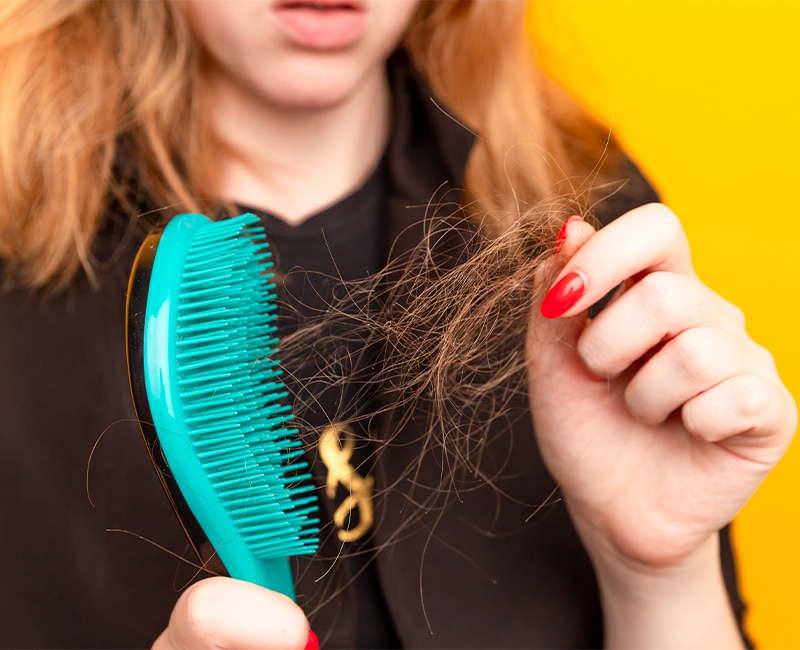
Hair loss is a common issue that affects millions worldwide, and its implications go far beyond physical appearance. Men and women experience varying degrees of hair thinning or loss as they age or due to health conditions. The emotional and psychological ramifications of hair loss can alter everyday experiences, self-esteem, and social interactions.
Understanding these effects can help individuals navigate their feelings and seek appropriate support. Dive into the connection between hair loss stages and mental health, highlighting the importance of addressing this issue holistically.
The Psychological Impact of Hair Loss
Hair loss can deeply affect how individuals perceive themselves and how they believe others perceive them. For many, hair is tied to identity, attractiveness, and self-worth. Losing hair triggers a sense of personal loss, as if a part of a personality or youth is being stripped away. It can result in emotional distress that manifests as anxiety, lowered self-esteem, and even depression.
Individuals may start avoiding social settings, fearing judgment or unwanted attention, which creates a pattern of isolation and loneliness. The psychological burden is heavy when societal beauty standards equate full hair with vitality and desirability. Women may feel their femininity is threatened, whereas men may experience shame or embarrassment due to cultural biases. These internal struggles can intensify and lead to long-term mental health challenges that are ignored or misunderstood by others.
Phases of Hair Loss and Their Effects
Hair loss unfolds in distinct stages, and each one can carry its own psychological weight. Here are the stages of hair loss explained to know more about the procedure and its effects. Early on, people might dismiss minor hair thinning and rationalize it as stress-related or temporary.
From early recession to visible bald spots or thinning, these phases can bring about mixed emotions. Some individuals experience grief-like reactions, mourning the gradual loss of their appearance. Others might feel anger or helplessness when treatments don’t deliver expected results.
Emotional responses vary based on the individual’s support system and previous confidence levels. The social reinforcement (or lack thereof) from peers and loved ones can either ease the journey or amplify the stress. Understand which stage a person is in emotionally and physically to develop coping strategies. Early intervention can soften the blow and lead to healthier long-term adjustment.
Social Implications of Hair Loss
Hair loss affects how they interact with the world around them. Social situations become sources of anxiety. People may worry that others are silently judging their appearance, causing them to withdraw from group events, avoid dating, or shy away from professional opportunities. This self-imposed isolation creates a feedback loop, worsening feelings of loneliness and inadequacy.
In image-focused industries, appearance can subtly influence perceptions of competence and energy. Hair loss may be mistakenly associated with aging or decline, causing people to be disregarded for promotions or networking opportunities. Even in personal relationships, changes in self-image can lead to decreased intimacy or strained communication. Rebuilding social confidence requires conscious effort and support from personal and professional circles. Normalizing hair loss in conversations and representation can minimize its social toll.
Seeking Professional Help for Emotional Well-being
Seeking help from mental health professionals can be a transformative step. Therapists experienced in body image issues can provide tools to reframe negative thought patterns and rebuild self-esteem. Cognitive-behavioral therapy (CBT) addresses the anxiety and depression that may result from appearance-related concerns. Support groups offer spaces where individuals can connect with others experiencing similar struggles.
Sharing personal stories and hearing others can reduce feelings of shame and isolation. At the same time, collaboration with dermatologists or trichologists should be addressed to take care of the physical aspect. Professionals can recommend treatments tailored to individual needs, creating a sense of hope and control. Combining emotional and medical support can improve mental health and confidence in managing hair loss-related challenges.
The Role of Family and Friends
The support of loved ones is the most powerful factor in helping someone cope with hair loss. When friends and family offer empathy, patience, and encouragement, they create a safe space for open dialogue and emotional healing. Simply listening without judgment, validating the person’s feelings, or encouraging them to seek help can dramatically improve how they process their experience.
Many people unintentionally downplay the emotional impact of hair loss with dismissive comments or unsolicited advice. Jokes or casual remarks can increase feelings of inadequacy and isolation. Loved ones need to educate themselves and approach the topic with sensitivity. A well-informed, compassionate support system reinforces a sense of belonging and strengthens an individual’s resilience, easing the emotional burden and encouraging healthier self-acceptance.
Exploring Treatment Options
Learning about and exploring treatment options can give individuals facing hair loss a sense of hope and control. There is a wide spectrum of solutions, ranging from non-invasive approaches like topical treatments, shampoos, and supplements, to more intensive procedures such as PRP therapy, laser treatments, and hair transplants. For anyone who wants an instant change without surgery, breathable lace hair systems offer a natural-looking way to cover thinning areas and bring back a full hairline straight away, which can lift confidence while slower treatments have time to work. The variety of options can be both empowering and overwhelming. Consult with specialists who can tailor a plan based on the individual’s hair type, stage of loss, and health.
Look into emotional and financial factors. Some treatments are expensive and not guaranteed to work, which can lead to disappointment and further emotional strain. Choosing a treatment path should be about regaining self-confidence, not conforming to societal standards. Being proactive in managing hair loss can be deeply affirming and emotionally healing.
Building Resilience Through Self-Care
Self-care builds resilience by encouraging individuals to redirect their focus from what they’ve lost to what they can control. Engaging in regular physical activity, maintaining a nutritious diet, and practicing mindfulness are all strategies to promote emotional stability. Exercise releases endorphins, boosts mood, and reduces anxiety.
Mindfulness techniques reduce obsessive thoughts about appearance. Grooming and personal styling can restore a sense of identity and control. These rituals affirm that beauty isn’t confined to hair alone. Taking time for hobbies and social connections can boost confidence and reinforce self-worth. Self-care is about cultivating strength, dignity, and peace in the face of change.
Hair loss is a physical issue and a complex emotional journey that requires understanding and support. By recognizing the relationship between hair loss and mental health, individuals can better navigate their experiences. They can promote a more empathetic approach within their circles, encouraging open conversations and support. Acknowledge the emotional challenges, seek professional help, and emphasize the transformation of your relationship with hair loss.