

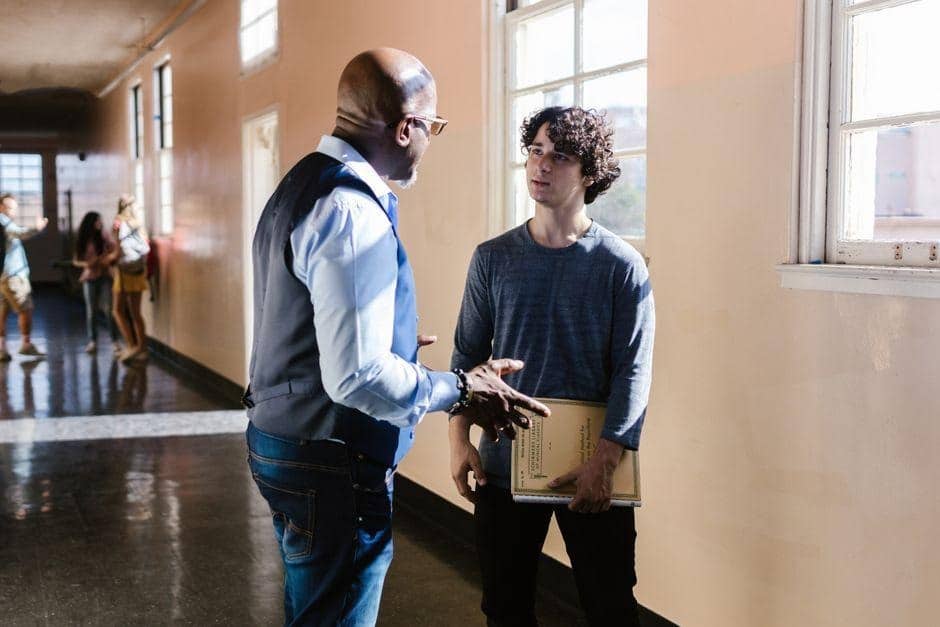
High school comes with a growing list of responsibilities and decisions. Students are expected to manage classes, grades, extracurricular activities, friendships, college or career planning, and questions about the future, often all at the same time. With so much happening during these years, having access to reliable guidance can make important decisions easier to navigate.
School counselors can provide that guidance throughout a student’s high school experience. Their role extends beyond schedules and graduation paperwork. From academic planning and personal challenges to college applications and career exploration, counselors can help students understand their options, connect with useful resources, and approach important decisions with greater clarity.
Understand the Counselor’s Role
Many students first interact with a counselor when they need to change a class, review their schedule, or complete school paperwork. However, those responsibilities represent only part of the support counselors may provide.
A high school counselor can support students with academic planning, social and emotional development, and decisions about college or career pathways. Depending on the school and the student’s needs, counselors may also provide guidance related to graduation requirements, course selection, college applications, career exploration, and school-related challenges.
Their role combines practical guidance with support that can help students make more informed decisions throughout high school. When students feel uncertain about their academic progress or future plans, a counselor can help them identify available options and determine appropriate next steps.
Counselors may also notice changes in academic performance, attendance, or engagement. Recognizing these changes early can make it easier to identify appropriate resources and support before problems become more difficult to manage.
Plan Classes and Graduation Requirements
Choosing high school classes can have an important influence on a student’s academic experience. Course decisions may affect graduation requirements, future educational opportunities, and preparation for different career pathways.
Counselors can help students understand:
- Which courses are required for graduation
- Which electives align with their interests
- Whether AP, IB, honors, or dual-enrollment courses may be appropriate
- How course selections relate to college or career goals
- What options may be available after failing a course or falling behind
Friends may influence which classes seem appealing, but a student’s own academic goals, interests, abilities, and graduation requirements should guide the final schedule.
For example, a student interested in engineering may want to pay particular attention to available mathematics and science courses. Someone interested in media, business, the arts, or skilled trades may benefit from a very different combination of electives and academic subjects.
The goal isn’t necessarily to create the most demanding schedule possible. A thoughtful course plan should help students meet requirements while exploring interests and maintaining realistic academic expectations.
Find Support for Personal Challenges
Challenges outside the classroom can also affect academic performance. Family concerns, friendships, personal changes, financial pressures, and emotional difficulties can all make it harder to concentrate on school or keep up with responsibilities.
Depending on their role and the resources available at the school, counselors may help students with concerns involving:
- Stress management
- Time management
- Peer conflicts
- Family situations affecting school
- Concerns about academic performance
- Uncertainty about the future
- Connections to additional support services when appropriate
School counselors generally aren’t a replacement for long-term mental health treatment. However, they can be an important point of contact for students who are struggling and aren’t sure where to begin looking for help.
Students don’t need to wait until a concern becomes overwhelming before asking for support. If schoolwork, attendance, concentration, or personal challenges are becoming difficult to manage, speaking with a counselor can help identify practical next steps and available resources.
Not every issue can be resolved in a single conversation. Sometimes the most useful outcome of a counseling meeting is simply understanding what kind of support may be appropriate and where to find it.
Navigate the College Planning Process
Planning for college can involve unfamiliar terminology, application deadlines, financial aid requirements, admission criteria, and paperwork that varies between institutions. Keeping track of everything can be challenging, particularly for students going through the process for the first time.
A counselor may help students understand areas such as:
- Building a college list
- Creating an application timeline
- Reviewing admission requirements
- Understanding standardized testing requirements
- Requesting recommendation letters
- Exploring scholarships and financial aid
- Requesting transcripts and other school documents
This guidance can be particularly useful for students who are the first in their families to apply to college or who have limited access to college-planning resources outside school.
Counselors can also help students develop a balanced approach to selecting colleges. Instead of focusing exclusively on highly selective institutions or choosing schools without considering personal priorities, students can compare academic programs, admission requirements, location, affordability, campus environment, and other relevant factors.
A balanced college list may include institutions with different levels of admission competitiveness, including schools where a student’s academic profile aligns well with typical admission requirements. The goal is to create meaningful options rather than relying on a single outcome.
Explore Different Career Pathways
Four-year college is only one possible path after high school. Students have many educational and career options, and counselors can help them explore alternatives based on their interests, skills, goals, and circumstances.
Those pathways may include:
- Trade and technical schools
- Apprenticeships
- Community college programs
- Professional certifications
- Military pathways
- Workforce opportunities with potential for advancement
Career counseling may also involve interest assessments, discussions about different occupations, resume guidance, internship opportunities, or information about the education and training required for particular careers.
This exploration can be useful even when students already have a general career interest. For example, a broad interest such as healthcare can lead to many different occupations, each with its own educational requirements, responsibilities, working environment, and career path.
A counselor can help students move from broad interests toward specific possibilities they can research further. Students don’t need to have their entire careers planned before graduation. Understanding the available pathways is often a useful first step.
Know When to Ask for Support
Students sometimes wait until a situation becomes difficult before visiting their counselor. Asking questions earlier can provide more time to explore solutions, particularly when deadlines, course requirements, or graduation plans are involved.
Consider speaking with your counselor if:
- You’re confused about your course selections
- Your grades have changed significantly
- You’re feeling overwhelmed by school responsibilities
- You’re experiencing attendance problems
- Personal circumstances are affecting your schoolwork
- You need guidance about college, employment, or training programs
- You’re unsure about your plans after graduation
You don’t need to have a major problem before scheduling a conversation. Being uncertain about your options or simply wanting help making a decision can be enough reason to ask for guidance.
Counselors may be responsible for supporting many students, so availability can vary. If you can’t meet immediately, ask how appointments are scheduled and follow up respectfully when necessary. Providing a brief explanation of what you’d like to discuss can also help your counselor prepare for the meeting.
Make the Most of Counseling Meetings
You don’t need to have everything figured out before meeting with a counselor, but a little preparation can make the conversation more productive.
Before the meeting, consider bringing:
- A list of questions
- Your current schedule or transcript, if relevant
- Important application or academic deadlines
- Notes about grade or attendance concerns
- A brief explanation of the issue you’d like to discuss
Being open about the situation can also make it easier for your counselor to provide useful guidance. If you’re struggling in a class because assignments haven’t been completed, for example, explaining what has happened gives the counselor more information to work with than simply saying the class isn’t going well.
Direct questions can also help keep the conversation focused. You might ask:
- What should I prioritize first?
- Am I currently on track to graduate?
- What options do I have if my plans change?
- Are there school resources that could help?
- Who else should I speak with about this issue?
Before leaving the meeting, make sure you understand any next steps. If you need to complete a form, contact another staff member, research a program, or return for another appointment, writing those actions down can help you follow through.
Build a Stronger Path Forward
High school requires students to make important decisions about academics, relationships, college, careers, and life after graduation, often while they are still figuring out what matters most to them. Having access to guidance can make those decisions easier to understand and manage.
A counselor cannot make every decision for you or remove every challenge you encounter. What they can do is provide information, perspective, resources, and support that may help you evaluate your choices more carefully.
Instead of viewing the counseling office only as a place for schedule changes and paperwork, consider it a resource you can use throughout high school. Asking questions early, being open about challenges, and seeking guidance when you need it can help you approach school and your plans after graduation with greater clarity and confidence.