TikTok has become far more than an app for dance trends and quick recipes. With over a billion active users worldwide, it now plays a major role in shaping online culture including how people think, feel, and view themselves. Because of that, questions about TikTok and mental well-being have become more common, especially among younger users who spend significant time on the platform.
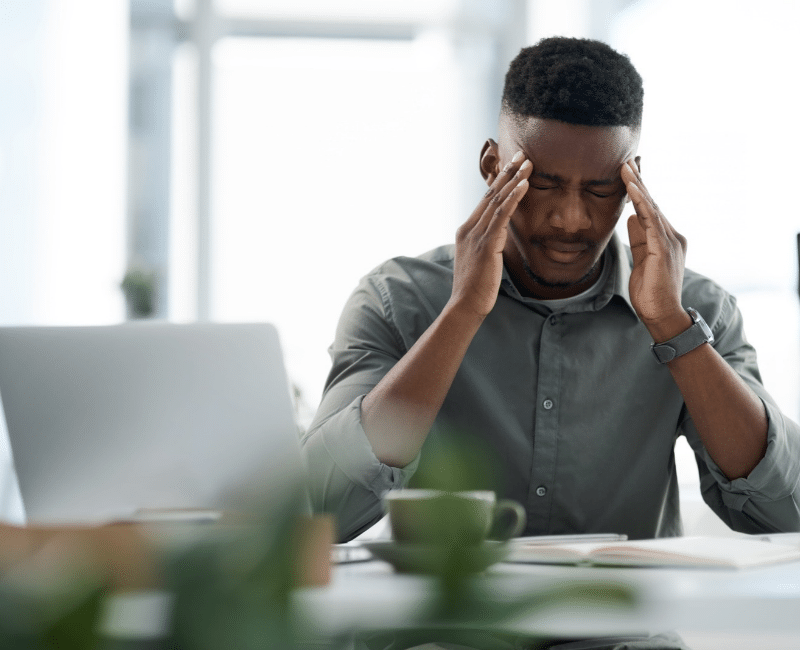
TikTok’s impact is not one-dimensional. For some people, it can be a place for connection, humor, and emotional support. For others, it can intensify anxiety, comparison, and feelings of disconnection. In most cases, the effect depends on how the platform is used, what content is consumed, and how a person’s mental health is functioning before they open the app.
How the Algorithm Shapes Emotional Experience
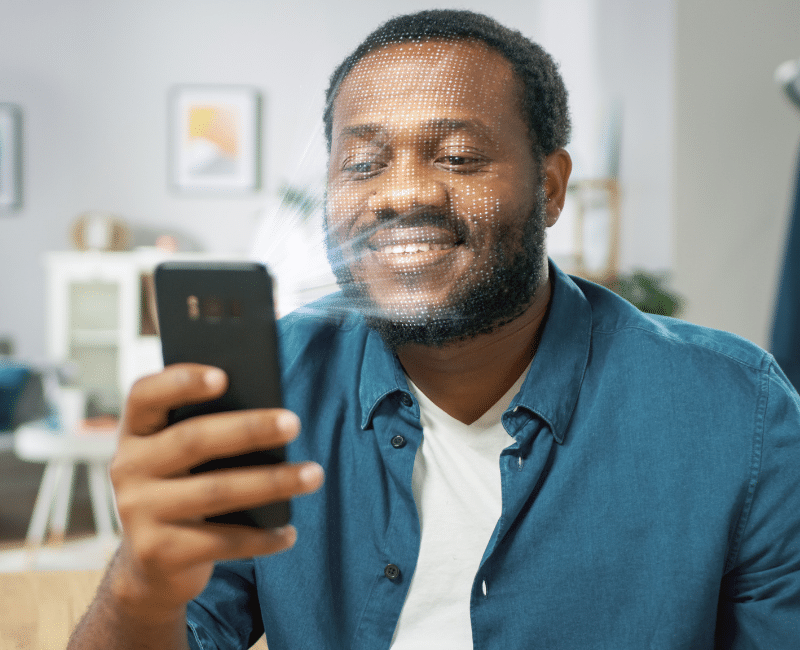
TikTok’s algorithm works differently from many other social media platforms. Instead of prioritizing posts from people you follow, the “For You Page” is driven heavily by machine learning. It studies what keeps you watching, what you replay, what you like, and what you pause on then serves more of the same.
This design creates a feed that feels extremely personalized, often to the point where users feel like TikTok “knows” what they are thinking or struggling with. While that personalization can be entertaining, it also has mental health implications.
TikTok learns preferences quickly and can create content echo chambers. For example, if someone watches videos about anxiety, the platform tends to deliver more anxiety-related content. If a user engages with fitness videos promoting extreme body standards, the algorithm may serve increasingly intense versions of that same content.
This can feel validating when someone discovers a community discussing experiences they have never been able to put into words. But the same mechanism can also trap vulnerable users in cycles of negative or triggering content, reinforcing distorted thinking patterns and unhealthy behaviors.
Social Comparison and the “Highlight Reel” Effect
Social comparison is a natural human behavior, but TikTok amplifies it in specific ways. The short-video format encourages highly curated, edited content often presenting idealized versions of life, relationships, success, and appearance.
Unlike traditional social platforms where users mainly see friends and family, TikTok exposes people to an endless stream of strangers living seemingly perfect lives. One moment a user might watch someone their age buying a dream home. Seconds later, they may see another creator showing off a flawless relationship, followed by fitness content featuring bodies that represent only a tiny percentage of the population.
Research on social media and mental health consistently shows that upward comparison comparing ourselves to people we perceive as more successful, attractive, or fulfilled is linked with increased depression, anxiety, and lower self-esteem. TikTok’s structure makes these comparisons difficult to avoid because the feed never ends and the content changes rapidly.
Parasocial relationships can intensify this effect. These are one-sided emotional connections users form with creators they’ve never met. Over time, viewers can become invested in a creator’s life and unconsciously use them as a benchmark for their own happiness, progress, or worth.
Mental Health Content: Helpful and Harmful at the Same Time
TikTok has become a surprisingly popular platform for mental health education and advocacy. Therapists, counselors, and people with lived experience regularly share content about disorders, coping strategies, and therapeutic concepts. In many ways, this has helped reduce stigma and made psychological language more accessible.
For some users, this is the first time they have ever heard mental health challenges described in a relatable way. Many people report recognizing symptoms in themselves through TikTok content long before they speak with a professional.
However, mental health content on TikTok is not regulated or vetted for accuracy. The algorithm rewards engagement, not expertise. That means catchy, oversimplified, or even incorrect information can spread faster than nuanced, evidence-based content.
This has contributed to trends such as self-diagnosis, where people adopt clinical labels based on short videos rather than comprehensive evaluation. While self-awareness can be helpful, mislabeling symptoms can lead to confusion, unnecessary fear, or missed opportunities for appropriate care.
TikTok, Attention, and the “Scroll” Cycle
TikTok’s design is built around the attention economy. Videos are short, fast, and constantly changing, with a structure that mirrors variable reward patterns similar to those seen in gambling. You never know if the next video will be boring or exciting, so you keep scrolling.
This unpredictability can trigger dopamine release, reinforcing compulsive usage patterns that are difficult to control. For many people, the app becomes less about intentional viewing and more about automatic consumption.
Some researchers have expressed concern that constant exposure to rapid content may affect attention spans and the ability to engage with longer-form tasks or complex ideas. For younger users in particular, quick dopamine rewards may make slower activities reading, studying, exercising, or even face-to-face conversation feel less satisfying.
Time spent on TikTok can also replace behaviors more strongly linked to well-being, such as sleep, physical activity, social interaction, and hobbies. When usage becomes excessive, a cycle can form: someone feels stressed, uses TikTok for comfort, and then feels worse after long scrolling sessions.
Body Image and Eating Disorder Concerns
TikTok’s influence on body image is one of its most widely discussed mental health effects. The platform’s filters and editing tools allow users to alter their appearance dramatically, creating standards that are often unrealistic even for the creators themselves.
This contributes to body dissatisfaction across age groups. Young people who spend significant time on TikTok show higher rates of body image concerns compared to those who use the platform less frequently.
The platform has also faced criticism for eating disorder-related content. Although TikTok has policies against pro-eating disorder material, coded language and subtle messaging continue to appear. Videos promoting extreme dieting, excessive exercise, or disordered relationships with food are sometimes framed as “wellness” or “self-improvement,” which can make harmful behaviors seem normal or aspirational.
In addition, comments sections often include appearance-based feedback, reinforcing the sense that physical appearance is constantly being evaluated.
Finding Balance and Healthier Usage Patterns
TikTok is not inherently good or bad for mental health. Like most digital tools, its impact depends on how it is used. The key factor is intentionality, understanding personal triggers, usage patterns, and emotional responses.
Setting boundaries can help protect mental well-being without requiring someone to delete the app entirely.
Common strategies include:
● Setting time limits
● Avoiding TikTok during certain hours (especially before bed)
● Taking breaks after emotionally intense content
● Being selective about which creators to follow
Curating the “For You Page” also matters. By engaging with positive, educational, or uplifting content, users can gradually shift the algorithm away from content that reinforces anxiety, comparison, or negative self-image.
When TikTok Use Becomes Problematic
It can be difficult to recognize when TikTok use has shifted from casual entertainment into something harmful. Problematic use is not defined only by time spent, but by how the app affects mood, behavior, and daily functioning.
Warning signs may include:
● Using TikTok as the main coping mechanism for difficult emotions
● Feeling anxious or irritable when unable to access the app
● Neglecting responsibilities or relationships due to scrolling
● Consistently feeling worse after using the platform
● Experiencing sleep disruption due to late-night use
● Basing self-worth on views, likes, or online feedback
If TikTok contributes to persistent feelings of inadequacy, increased anxiety about appearance or life circumstances, or withdrawal from real-world relationships, it may be doing more harm than good.
Digital Wellness and Building Healthier Social Media Habits
Digital wellness starts with awareness. Paying attention to emotional state before, during, and after using TikTok can reveal patterns that are easy to miss in the moment. Some people find it helpful to track their usage briefly for a few days and note how different types of content affect their mood.
It is also important to remember that platforms like TikTok are engineered to maximize engagement, not to protect mental health. Making conscious choices about how and when to use the app helps users regain control.
This may include unfollowing accounts that trigger comparison, actively seeking content that supports learning or inspiration, or reducing overall screen time.
For individuals who feel their social media habits are reinforcing anxiety, depression, or compulsive behavior patterns, structured mental health support may be helpful. This may include therapy, counseling, or structured recovery programs, depending on a person’s needs and situation, including options such as Ingrained Recovery of Georgia.
Final Thoughts
TikTok’s influence on mental well-being is complex and continues to evolve as the platform changes and as researchers learn more about social media’s long-term psychological effects. For some users, TikTok provides connection, validation, and useful education. For others, it can intensify social comparison, attention issues, body image distress, and emotional instability.
What remains consistent is the importance of awareness and intentional use. By recognizing how TikTok affects mood and behavior, setting boundaries, and curating content thoughtfully, users can make choices that support rather than undermine mental well-being.