

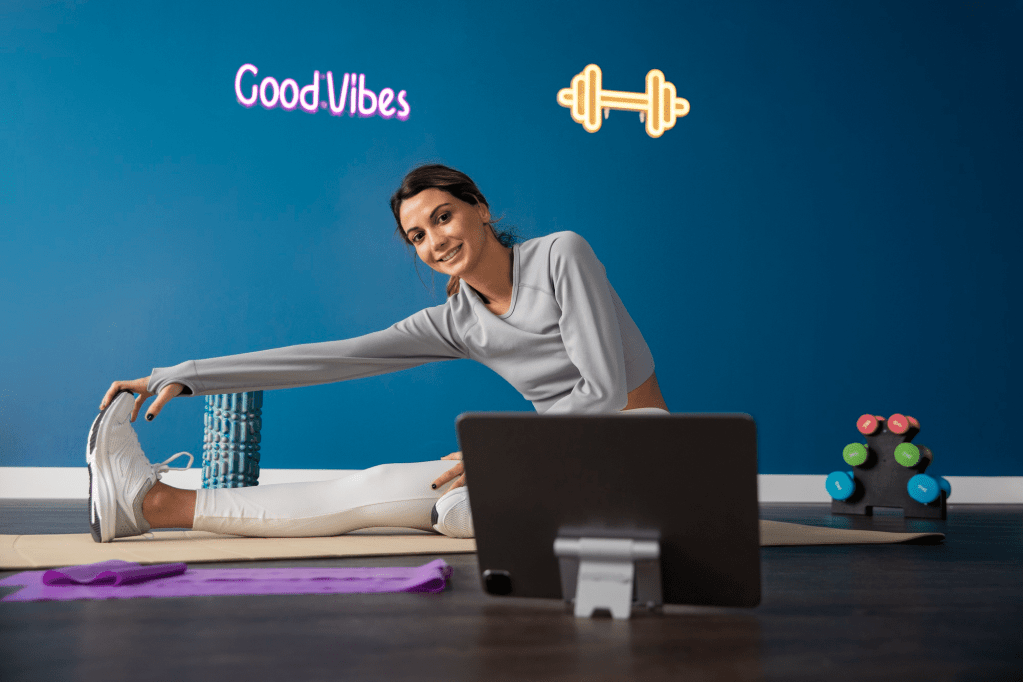
Of all the things that shape how we feel day to day, sleep might be the most quietly powerful. When things are going well, your mood, focus, and patience naturally fall into place, creating a sense of balance that carries through the rest of your day. When it slips, the mind is usually the first thing to feel it. One of the most effective, yet frequently overlooked, strategies for better sleep comes with a bonus: regular exercise benefits nearly every aspect of your health.
You do not need to train like an athlete to see the benefit. A consistent, moderate amount of movement can meaningfully improve how quickly you fall asleep and how rested you feel, which in turn supports your mental health. Here is how the two connect and how to start.
Sleep and mental health are deeply interconnected
Sleep and mental health feed each other, for better or worse. Poor sleep raises stress, frays emotional regulation and makes anxiety and low mood harder to manage, while those same struggles often make sleep harder to come by. It becomes a loop that is difficult to break from the inside.
Good sleep does the opposite. It steadies mood, sharpens focus and rebuilds the resilience you need to handle a hard day. So anything that reliably improves sleep is not just about feeling less tired, it is a genuine support for your well-being.
How movement helps you sleep

Exercise improves sleep through several routes at once. Physical activity helps you fall asleep faster and spend more time in the deeper, more restorative stages of sleep. It also supports the body’s natural daily rhythm, so your system gets better at knowing when to be alert and when to wind down.
Just as importantly, it burns off the physical residue of stress. The anxious energy that would otherwise keep you staring at the ceiling has somewhere to go, and a body that has moved during the day is simply more ready to rest at night. For a lot of people, that is the difference between lying awake and drifting off.
What kind of exercise, and how much
The reassuring news is that you do not need a specific or punishing regimen. A mix of moderate aerobic activity, like brisk walking or cycling, and a little strength work covers most of the benefit, and consistency matters far more than intensity.
Strength training, in particular, has been linked to better sleep and requires little time or equipment. Even short sessions, done regularly, counts. The aim is a sustainable habit you will actually keep, not a heroic effort you abandon after two weeks.
Getting started without a gym
You can build all of this at home with very little. A decent pair of shoes handles the walking, and for strength a single versatile weight is enough to begin. A basic kettlebell set covers the essentials, letting you work your whole body through simple moves like swings, squats and presses in a compact space.
Start light, learn the technique properly, and keep early sessions short, around ten to fifteen minutes. The point is not to exhaust yourself but to move with intention a few times a week, then let your sleep and mood respond over the following weeks. Small and steady wins here.
A few practical tips
Timing can help. For most people, exercising earlier in the day supports sleep best, and while a gentle evening session is usually fine, it is worth avoiding very intense workouts right before bed, since that can leave some people too wired to settle.
Pair the movement with a simple wind-down routine as well. Dimming the lights, stepping away from screens and giving your mind time to slow down all work alongside exercise rather than instead of it. The habits reinforce one another, and the combination tends to beat any single fix.
It also helps to be patient. The sleep benefits of exercise tend to build over weeks rather than showing up after a single session, so it is worth sticking with the habit even when the first few nights feel unchanged. Many people find they are falling asleep a little faster and waking a little clearer within a couple of weeks of moving regularly, and that improvement becomes its own quiet motivation to keep going. Keeping your wake-up time steady, even at weekends, and getting some daylight early in the day will strengthen the effect further, since both help anchor the same body clock that exercise supports.
When to reach out for support
Exercise is a powerful support, but it is not a cure, and it does not replace professional care. If you are dealing with ongoing insomnia, or with anxiety or low mood that is affecting your daily life, it is worth speaking to a doctor or a mental health professional.
Movement works best as part of a bigger picture of looking after yourself, and there is no weakness in asking for help with the parts that need more than a workout can offer.
The bottom line
Better sleep is one of the most valuable things you can do for your mind, and regular movement is one of the simplest ways to get there. You do not need a gym, a strict plan, or hours you do not have, just a consistent, moderate habit you can keep.
Start small, stay steady, and pay attention to how you sleep and feel over time. Look after your body’s need to move, and your mind will rest easier for it.