
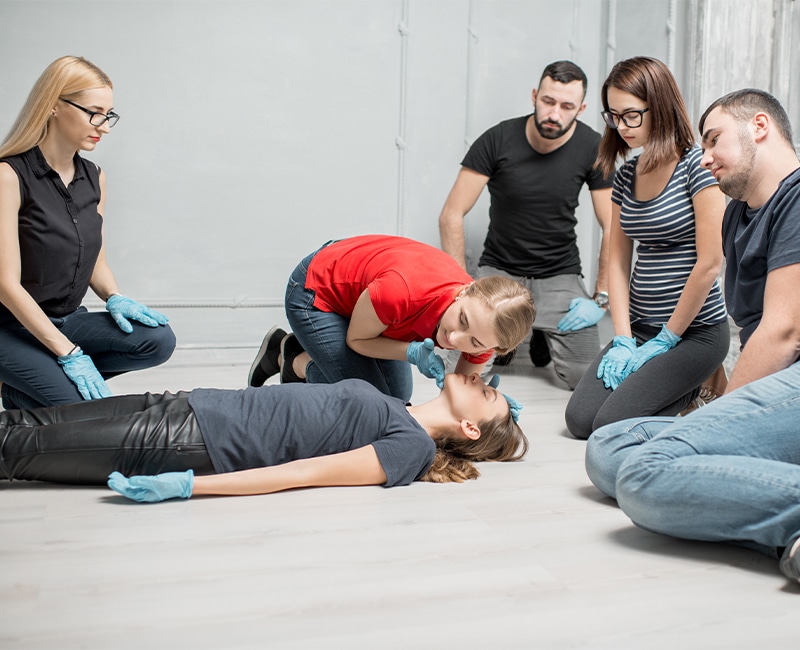
Every two years, healthcare professionals, first responders, and childcare workers must renew their Basic Life Support (BLS) skills to remain eligible for licensure or employment. However, many people walk into the renewal session unprepared, overconfident, or unaware of updates in the guidelines. These mistakes can lead to failed assessments or wasted time and money. If you are heading into your renewal soon, here’s how to avoid those slip-ups and make sure your BLS skills renewal card stays valid without stress.
What Mistakes Do People Make During BLS Skills Renewal?
When you have done cardiopulmonary resuscitation (CPR) before, it’s easy to think you’ll remember everything. But confidence without practice often leads to forgotten steps and poor technique. This often leads to small but serious mistakes during the renewal test. Here are 12 common mistakes people make during BLS skills renewal are discussed as follows:
Forgetting Updated CPR Guidelines
Guidelines change as new science becomes available. For instance, the current recommended compression rate is 100–120 compressions per minute with a depth of at least 2 inches in adults. Many providers still operate on outdated instincts. Always review the latest AHA manual before your session.
Rushing Through Compressions
Speed is important, but so is form. Some learners focus so much on speed that they forget full chest recoil or hand placement. During renewal testing, both quality and consistency are assessed. Practicing slowly with a timer before the class helps you improve muscle memory.
Not Practicing Rescue Breathing
Rescue breathing is still a part of BLS, especially for pediatric cases or opioid overdose scenarios. Yet many focus only on chest compressions. Practice using a barrier device or pocket mask ahead of time to avoid fumbling during your test.
Ignoring Two-Rescuer Protocols
Most people focus on solo rescuer skills and forget team dynamics. If your test includes two-person CPR or Automated External Defibrillator (AED) use, poor coordination with your partner can affect your final score. Ask a friend or colleague to run through the team protocol with you beforehand.
Assuming “Real Experience” Is Enough
Just because you have performed CPR in clinical settings doesn’t mean you’ll ace a simulation. AHA instructors evaluate precise steps in a controlled setting. Miss one sequence, like checking for scene safety or calling for help, and it could cost you the certification.
Waiting Until the Last Minute
Renewing within days of your expiration date leaves no buffer for retakes or rescheduling. Some hospitals give a 30-day grace period, but others don’t. Start looking for available classes at least 6 weeks in advance, especially if you’re in a large healthcare system or rural area.
Registering Through Non-AHA Providers
Only AHA-authorized Training Centers can issue valid BLS cards. Be wary of third-party sites offering “instant certificates.” If your employer discovers it’s not AHA-approved, you may have to redo the entire course. Always look for the AHA logo and check the center’s accreditation.
Arriving Without the Right Materials
You may need to show your current BLS card, a printed completion certificate for the online module, or a government-issued ID. Instructors won’t allow you to join if you are missing essential documents. Read the course instructions carefully to avoid being turned away.
Pausing Too Long Between Steps
Some people pause too long between compressions, breaths, or after using an AED. Long pauses mean oxygen isn’t reaching the brain. During your test, such delays count against you. In real life, they reduce the chances of recovery for the victim.
Poor AED Familiarity
Even though AEDs are part of every BLS skills renewal, many learners skip reviewing how to turn on the device, attach pads correctly, or follow prompts. Practice with a demo AED before test day, especially if you have not handled one since your last course.
Miscommunication During Scenarios
Scenario-based tests don’t just assess your actions. They evaluate how clearly you communicate. Saying “Call 911,” “Get the AED,” or “I am beginning compressions” out loud is essential. Silent actions can be misinterpreted, especially in two-rescuer scenarios.
Panicking or Freezing During the Skills Test
Some learners forget the steps once the test starts. Anxiety makes them miss important parts, like checking breathing or calling for help. Even small mistakes under pressure can lead to test failure. Staying calm is as important as knowing the steps.
How to Avoid Common Mistakes During BLS Renewal?
You can avoid most mistakes with a little preparation. Practicing the steps, reviewing updates, and staying calm can help you pass with ease. Let’s look at how to fix each common error:
Review the Latest AHA Guidelines Before Class
Guidelines may change every five years, and some updates come even sooner. Go to the AHA website or use your course materials to check what’s new. This helps you stay current and prevents mistakes based on outdated steps or techniques.
Practice CPR on a Feedback Manikin
Feedback manikins help you get real-time data on depth and rate. Practicing with them shows whether you’re meeting the standard. You’ll know instantly if your compressions are too slow or shallow. This builds muscle memory and boosts your test performance.
Go Over the Full BLS Sequence Step by Step
Don’t just memorize parts. Know the full chain of survival, from checking the scene to using an AED and giving proper breaths. Practicing the full cycle helps you stay on track during testing. Write it down and walk through it mentally a few times.
Work on the Rescue Breathing Technique With a Partner
Use a training mask or practice with a peer. Focus on proper head tilt, sealing the mask or mouth, and giving each breath slowly over one second. Watch for chest rise. Fixing this now prevents failure in that part of the test.
Practice Teamwork Scenarios If Your Course Includes Them
If your renewal includes two-rescuer CPR, practice switching roles and giving clear verbal cues. Use phrases like “I’ll take compressions” or “Resume CPR after the shock.” Practicing this helps you avoid confusion during team scenarios in the final skills test.
Stay Calm and Use Mental Rehearsal Before Testing
Before your test, take a few deep breaths. Close your eyes and walk through each step in your mind. Imagine performing each action calmly and confidently. This simple trick improves focus and helps you avoid panicking under pressure.
Ask for Instructor Feedback Early in Class
If you are unsure about any step or feel rusty, ask your instructor before the final test begins. They can correct you on the spot. Fixing mistakes early builds confidence and helps you avoid repeating them during the actual test.
Avoid Mistakes and Get Your BLS Renewal Certification Today!
BLS skills renewal is a chance to reset your confidence and competence in lifesaving situations. For people in healthcare, emergency services, or education, preparation ensures you are ready when someone truly needs your help.
To make the process smoother, consider enrolling in an AHA-authorized BLS renewal course that includes pre-course materials, scenario-based practice, and a live instructor session. Look for training centers with experienced instructors who provide real-time feedback.