
Back pain is a pervasive health issue that affects millions of people worldwide, often leading to significant mobility problems. In a 2022 survey of US adults, approximately 28% reported experiencing chronic low back.
Physical treatments such as physiotherapy, chiropractic care, and medication are essential for managing back pain. However, the emotional and psychological impact on individuals is frequently overlooked. Chronic back pain can be a source of frustration, anxiety, and even depression, significantly impacting overall quality of life, which is why consulting a spine specialist can be an important step toward comprehensive care.
Behind effective physical rehabilitation is also the administrative work required to keep claims moving, making physical therapy medical billing services a practical consideration for growing practices.
In this article, we will explore the complex interplay between back pain and mental health.
Understanding the Connection Between Back Pain and Mental Stress
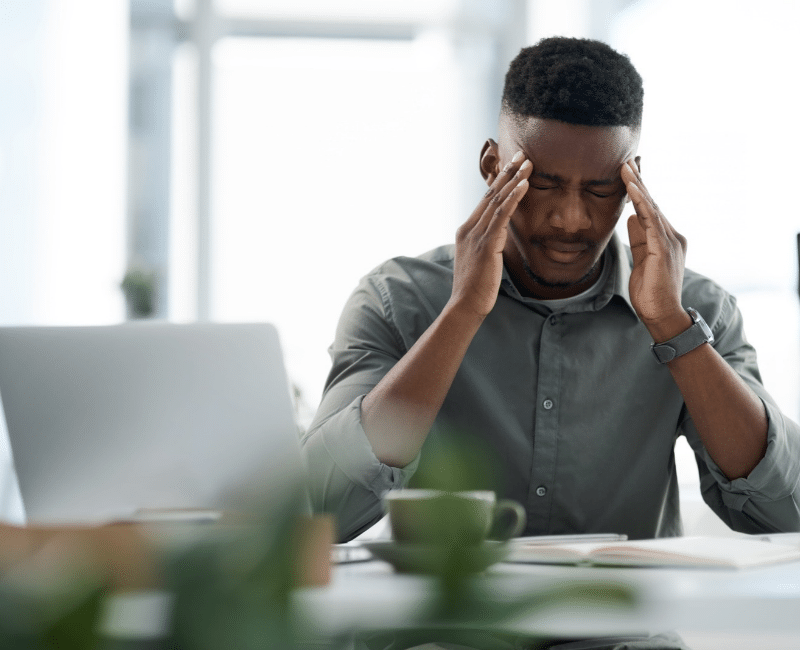
The relationship between back pain and mental stress is intricate and bidirectional. Persistent back pain can cause considerable emotional distress, including feelings of sadness, anxiety, and tension. This stress is often compounded by the ongoing discomfort and limitations in mobility, creating a vicious cycle that can impede recovery. On the other hand, elevated mental stress can intensify and prolong the sensation of pain.
Studies show that persons who have persistent back pain frequently have higher levels of psychological anguish. For example, a National Institutes of Health research discovered that 52% of those with chronic pain also experienced sadness. Also, the research found that 65% of those with depression reported having pain symptoms. This underscores the strong link between chronic pain and emotional distress.
How does restricted mobility from back pain impact daily life and emotional well-being?
Restricted mobility from back pain, including conditions like middle of back pain, can severely affect daily life by limiting routine activities and reducing independence. This can lead to frustration, decreased social interactions, and heightened stress. Emotionally, it may contribute to feelings of helplessness, depression, and anxiety, further complicating recovery and overall quality of life.
Strategies for Managing Mental Stress During Treatment
Effectively managing mental stress during back pain treatment involves adopting various strategies to support emotional and physical well-being. Essential techniques include mindfulness and relaxation exercises like deep breathing and meditation, which help lower stress and enhance pain management. Adjusting harmful thought patterns and developing effective coping strategies, like CBT, offers valuable support.
Also, building a support network of friends, family members, and healthcare providers offers emotional support and practical help, reducing stress and isolation.
In addition, regular physical activity, such as walking or swimming, can boost mood and lower stress levels. MedicalNewsToday reported that researchers observed greater benefits with higher levels of exercise. Individuals who exercised the most were 20% less likely to experience depression compared to those with minimal exercise. This highlights the positive impact of increased physical activity on mental health.
How can individuals maintain a positive mindset during long-term treatment?
To maintain a positive outlook during prolonged treatment, set achievable goals, acknowledge small accomplishments, and concentrate on progress rather than setbacks. Engage in activities that you find pleasurable, embrace mindfulness practices, and connect with friends, relatives, or support groups. These approaches can help you maintain a positive outlook and resilience during your treatment.
The Role of Chiropractic Treatments in Relieving Both Pain and Stress
Chiropractic care is a healthcare discipline dedicated to diagnosing and treating conditions related to the musculoskeletal system, especially the spine. Beyond physical pain relief, chiropractic treatments can also help manage the mental and emotional stress frequently associated with chronic pain. This dual advantage promotes overall health and recovery.
Chiropractic adjustments, by targeting the root causes of back pain, can diminish pain severity and enhance physical function, which can subsequently benefit mental well-being. When individuals experience less physical discomfort and greater mobility, they may feel more confident and less anxious.
Additionally, Crist Chiropractic care can assist in balancing the nervous system, which is essential for managing stress. By correcting spinal alignment and addressing disruptions that contribute to nerve discomfort, chiropractic adjustments can help relieve tension and support relaxation. For added relief between sessions, a topical nerve pain cream may ease localized discomfort and complement your overall treatment plan, especially for those managing chronic back-related nerve issues.
For lower back pain relief, top-rated chiropractor recommends a tailored treatment plan. This approach may involve soft tissue therapy, spinal adjustments, and lifestyle recommendations. Such treatments can relieve pain, improve mobility, and lower stress, leading to an improved quality of life.
Dr. Michael Baremboym suggests starting with good spinal health by maintaining a neutral pelvic position while standing and using a footstool for support. For sitting, choose a chair with proper lower back support and adjust your position regularly. When lifting, use your legs, keep your back straight, and avoid twisting to prevent back issues.
If symptoms persist despite chiropractic care, it may be time to consult a spine specialist. Some conditions, like nerve compression or structural narrowing, require more than adjustments. A procedure such as a hemilaminectomy can relieve pressure on spinal nerves and restore function, providing relief when conservative treatments are no longer effective.
Physical Exercise and Its Psychological Benefits
Regular physical activity can have a profound impact on both physical and mental health, particularly for individuals with chronic back pain. Engaging in physical activity can enhance flexibility, strength, and overall mobility, which helps alleviate pain and improve daily functioning.
Furthermore, exercise helps reduce depression, anxiety, and stress by increasing endorphins, which are endogenous hormones that naturally elevate mood. It also offers a sense of achievement and enhances self-confidence, which is especially beneficial for those dealing with chronic pain.
How does consistent exercise affect mental health in addition to easing back pain?
Consistent physical activity improves mental health by lifting mood, decreasing anxiety, and easing depression symptoms. It stimulates the production of endorphins, which serve as natural mood enhancers. Consistent exercise also improves sleep quality and cognitive function, contributing to overall emotional well-being beyond just relieving back pain.
Professional Psychological Support
Professional psychological support is crucial for managing the mental stress associated with back pain treatments. Counselors and psychologists can provide techniques like CBT, which enables people to reframe unfavorable ideas and create useful coping mechanisms. This support can be particularly beneficial in addressing the anxiety and depression often linked with chronic pain.
Data highlights the effectiveness of professional psychological support. A study in ScienceDirect found that patients undergoing CBT with pain management saw a significant reduction in pain-related distress and improved emotional well-being. Additionally, psychological interventions were shown to enhance treatment outcomes by addressing both mental and physical aspects of chronic pain.
Engaging with mental health professionals can provide essential tools for navigating the emotional challenges of long-term pain management.
Lifestyle Adjustments to Support Mental and Physical Health
Lifestyle adjustments are key to supporting both mental and physical health during back pain relief treatments. Important elements include maintaining a healthy diet, exercising frequently, and obtaining enough sleep. These habits create a comprehensive strategy for managing back pain and minimizing related stress.
Embracing a Holistic Approach to Back Pain Relief
Coping with mental stress during back pain relief treatments requires a multifaceted approach that addresses both physical and emotional needs. By understanding the complex interplay between back pain and mental stress, individuals can implement effective strategies.
A comprehensive treatment plan that integrates these elements not only enhances physical recovery but also promotes emotional resilience. Embracing these strategies can lead to a more balanced, effective, and sustainable path to managing back pain and improving quality of life.