
Burnout remains widespread among U.S. physicians, but momentum is building. After peaking at 62.8% in 2021, burnout rates improved to 45.2% by 2023 in serial national studies.
The right operational fixes can reduce clerical load, improve recovery time, and stabilize teams without sacrificing access or quality. This playbook is for clinical leaders and administrators who need concrete, short-interval actions with defined metrics, not abstract wellness platitudes.
You get a 90-day, systems-first playbook spanning workflow redesign, schedule architecture, and culture support. Use specific KPIs to track cause and effect, including Professional Fulfillment Index domains, EHR after-hours minutes, inbox messages per clinician, and turnover intent. Pick one pilot unit, assign dyad leadership that pairs a physician with an operations partner, set a baseline dashboard, and review progress every two weeks.
Precise Definitions Prevent Mismatched Solutions
Define burnout and moral injury precisely so you treat system failures, not individual weakness.
Using precise language ensures you diagnose the problem correctly. The World Health Organization’s International Classification of Diseases, 11th Revision (ICD-11), defines burnout as an occupational phenomenon with three dimensions: exhaustion, increased mental distance or cynicism, and reduced professional efficacy. Burnout is not a medical condition, and conflating it with depression leads to over-medicalizing an organizational problem.
Moral injury describes the distress clinicians feel when system constraints force actions that conflict with core values. This signals the need for leadership, ethics, and system redesign, not individual coping skills. For measurement, use either the Maslach Burnout Inventory, which covers emotional exhaustion, depersonalization, and personal accomplishment, or the Professional Fulfillment Index, which tracks fulfillment, work exhaustion, and interpersonal disengagement.
The Current Crisis Demands Urgent Action
Use credible burnout and workforce data to secure resources and urgency from skeptical stakeholders.

Understanding the numbers helps you justify resources. CDC Vital Signs data from 2018-2022 shows 46% of U.S. health workers felt burned out often or very often in 2022. The same research found that trusting management, supervisor help, enough time, and supportive conditions were each associated with markedly lower odds of burnout.
Health systems are rebuilding access and volumes post-pandemic while facing staffing gaps. Leaders must remove low-value work to protect capacity. Short-interval wins within 90 days build credibility and engagement for longer-term transformation.
The Association of American Medical Colleges projects a U.S. physician shortfall of up to 86,000 by 2036, making retention an immediate lever while training pipelines expand.
Target the Work, Not the Worker
Redirect your efforts toward redesigning tasks and workflows instead of pushing more resilience training.
Clerical overload is the primary driver you must address first. For every hour of direct patient care, physicians spend nearly two additional hours on EHR and desk work during clinic, plus one to two hours after hours nightly. The EHR inbox often contains auto-CCs, low-value notifications, and results routing that do not require physician review. These are addressable with design and governance.
Prior authorization consumes substantial time and strongly correlates with burnout. AMA national survey data shows physicians complete approximately 43 prior authorizations weekly on average.
Among respondents, 94% report care delays, 24% report serious adverse events, and 95% say prior authorization increases burnout. Use audit logs to pinpoint the highest-burden activities and interview ten clinicians across roles to validate pain points.
Retention Economics: Align Compensation with Workload
Tie workload, compensation, and retention data together to justify wellbeing investments in hard financial terms.
When building the business case for protected time or adding documentation support in surgical services, collaborate with finance, recruitment, and perioperative leadership to review current compensation plans, call schedules, turnover trends, wait times, and downstream revenue by surgeon, and then benchmark local pay bands against data-driven regional market norms by using general surgeon compensation data so offers clearly reflect workload, case complexity, and call burden.
The financial case for burnout reduction is compelling and actionable. Burnout costs the U.S. about $4.6 billion annually in turnover and reduced clinical hours, approximately $7,600 per employed physician yearly. Replacing one physician typically costs $500,000 to over $1,000,000 when accounting for recruitment, onboarding, and lost revenue.
When building the business case for protected time or documentation support in surgical services, benchmark local pay bands so offers align with workload and call burden. Reference call intensity, case mix, and documentation burden explicitly in offers and renewal letters.
Show how workflow redesign reduces uncompensated time. Track offer acceptance and 12-month retention to validate your approach.
The 90-Day Playbook Structure
Structure your burnout response in parallel tracks so clerical, scheduling, and culture changes land together.
Parallel execution across three tracks accelerates results. Run Track A for clerical load reduction, Track B for schedule architecture, and Track C for people and culture simultaneously. Assign an executive sponsor and dyad leads for each track, meeting biweekly to review KPIs and unblock decisions.
Publish a monthly dashboard with these metrics:
● PFI or MBI domain scores
● EHR after-hours minutes per clinician
● Inbox messages per provider daily by type
● Prior authorization touches and cycle time
● PTO taken versus planned
● Turnover intent scores
Set explicit targets: 25-30% reduction in low-value inbox messages within six to twelve months, 10-20% reduction in after-hours EHR minutes in initial pilots, and improved professional fulfillment by five to ten points over two quarters. Segment metrics by site, specialty, career stage, and demographic to ensure benefits reach all groups.
Track A: Inbox Reduction That Sticks
Aggressively triage, automate, and delegate inbox work until physicians see only truly clinical messages.
A cross-functional Inbox Task Force delivers sustainable message volume reduction. Include IT, clinical, operations, and compliance representatives to own routing, automation, and service-level agreements. Your goal is ensuring five to ten percent or fewer messages require physician eyes.
Eliminate low-value traffic by turning off auto-CCs where not required and changing ADT notifications from push to pull. Automate by setting normal labs to auto-release with patient-friendly commentary and implementing protocolized refills with duration limits.
Delegate through nurse and pharmacist protocols for results and refills, pooled team routing, and colocated triage for real-time handoffs. Track messages per clinician per day by type and publish monthly routing changes while soliciting front-line feedback.
Track A: Documentation Time Solutions
Invest in team-based documentation support to reclaim evenings, protect attention, and improve note quality.
Evidence supports team-based documentation to lower note time and after-hours work. A 2024 multi-site study found virtual scribes decreased total EHR time, time spent on notes, and after-hours EHR time per appointment. A randomized primary care trial showed scribes improved physician experience and reduced off-hours documentation without harming patient satisfaction.
National-scale observational research reported high-intensity adoption of team documentation support reduced note-writing time by approximately 21% and decreased EHR time outside scheduled hours by about 10%. Identify the top 20% of clinicians by after-hours EHR minutes and enroll them in documentation support first. Standardize templates for common plans, review outliers for excessive copy-forward, and set a 90-day goal to reduce after-hours minutes by 15-20% in the pilot cohort.
Track A: Prior Authorization Playbook
Centralize prior authorization workflows so clinicians rarely touch routine cases and documentation is denial-ready.

Centralized processes dramatically cut physician time burden. Train dedicated staff to operate from standardized clinical pathways and payer-specific checklists, escalating complex cases to a pharmacist or physician reviewer. Implement EHR flags that pre-empt denials by documenting step therapy failure and enable extended chronic medication refills.
Use time and denial logs to push for payer policy changes and quantify staffing needs. Track prior authorization volume, cycle time, approval rate, overturn rate on appeal, and staff hours per category. Include performance guarantees in payer contracts, such as auto-approval for low-variation therapies after consistent approvals.
Track B: Schedule Architecture for Recovery
Redesign schedules to embed recovery time, protect documentation blocks, and enforce real time off.
Protected time during clinic enables focus and true disconnection after hours. Embed two protected 20-30 minute blocks per half-day for documentation and inbox work.
Hard-stop double-booking over these holds except for time-critical add-ons. Implement team-based inbox coverage so PTO is truly time off. Returning clinicians should have zero-inbox policies with coverage and clear escalation rules.
For call and shift design, minimize extended overnight work and enforce post-call recovery. Evidence from a New England Journal of Medicine trial showed eliminating shifts longer than 24 hours reduced serious errors by 36% in ICU interns. Track after-hours EHR minutes per clinician daily and target a 15-20% decrease within 90 days.
Monitor the percentage of PTO returns with zero inbox on day one back.
Track B: Proceduralist Ergonomics
Build microbreaks into procedural workflows to reduce pain, preserve focus, and extend surgeons’ careers.
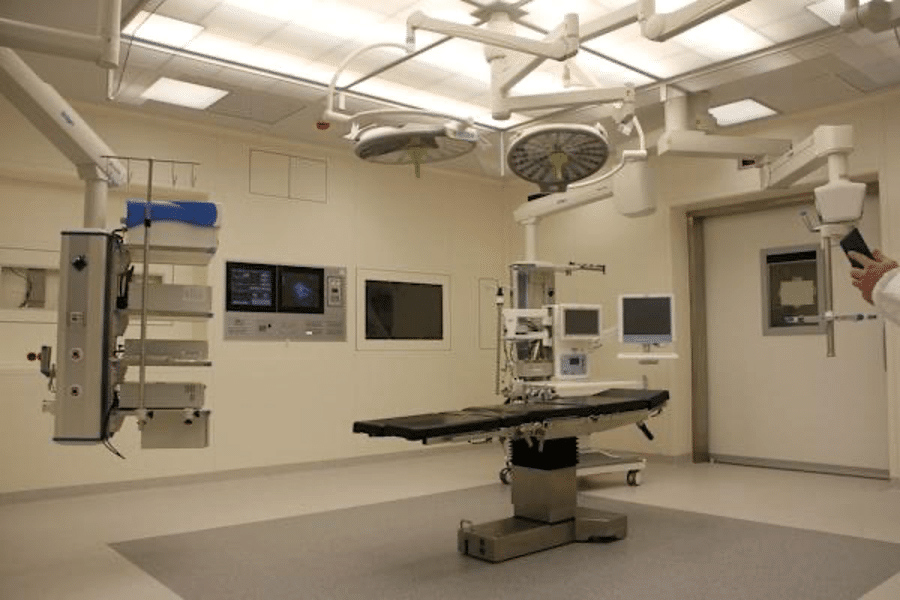
Microbreaks reduce musculoskeletal strain without extending operative time. A multicenter cohort study in Annals of Surgery found 60-90 second intraoperative microbreaks with targeted stretches reduced surgeon discomfort and improved perceived focus. Benefits may depend on case length and physical demands, so prioritize longer or physically taxing cases.
Standardize one-minute stretch sequences every 20-40 minutes. Educate teams to cue breaks at natural lulls and integrate prompts into the time-out or nursing checklist. Track the percentage of cases with documented microbreaks and trend surgeon discomfort scores before and after implementation.
Track C: Peer Support and Safety Climate
Formalize peer support after adverse events so clinicians feel safe, heard, and quickly connected.

Rapid peer outreach after adverse events correlates with lower burnout. A national survey found physicians who received peer support after adverse events had lower odds of burnout than those who did not. Mayo Clinic’s HELP program expansion during COVID-19 demonstrated appreciated support and promoted a culture of safety.
Publish clear pathways for who triggers outreach, who responds, confidentiality rules, and escalation to formal care. Ensure easy self-referral.
Track time-to-outreach after events, utilization rate, and perceived adequacy of support. Keep data de-identified and used for improvement, not performance management.
Leadership Behaviors as Force Multipliers
Consistent, visible leadership behaviors can either undermine or accelerate every other wellbeing initiative.
Leader conduct cascades directly to team wellbeing and performance. Invest in leader workload control, sleep health, and coaching.
Make wellbeing a strategic KPI tied to incentives at the department level with safeguards against perverse incentives. Train leaders to run quarterly waste walks identifying two low-value clerical tasks to eliminate per unit.
Set weekly ten-minute check-ins focused on barriers to completing work in hours. Commit to removing one barrier per clinician monthly. Model norms by avoiding routine emails after hours, protecting meeting-free documentation blocks, and publicly recognizing teams that reduce inbox volume while maintaining safety.
The 90-Day Implementation Timeline
Commit to a short, specific timeline so pilots launch quickly and visible wins accumulate.
A concrete schedule keeps momentum and accountability high. Days 0-15: appoint an executive sponsor, stand up task forces, and capture baseline metrics.
Days 16-45: pilot an inbox purge by turning off auto-CCs and auto-releasing normal labs, enroll ten high-intensity clinicians into documentation support, and publish protected-time templates.
Days 46-75: activate a peer-support pager, train leaders on supportive behaviors, launch operating room microbreaks, and implement vacation inbox coverage. Days 76-90: review pilot metrics, lock wins into policy, expand to two more departments, and issue a memo detailing implemented fixes.
Run safety reviews for each policy toggle and establish rapid rollback paths if unintended consequences appear.
Start Now, Measure Relentlessly, Lock In Wins
Act quickly, measure transparently, and convert every successful test into durable standard practice.
Durable change comes from redesigning systems, not asking clinicians to be more resilient. Burnout is improving from the 2021 peak but remains high. The fastest, fairest path to relief is removing low-value work, protecting recovery time, and strengthening peer support alongside leadership behaviors.
This 90-day playbook gives you a practical starting point across clerical load, schedule architecture, and culture, with validated measures and operational KPIs to prove impact. Set a baseline this month, launch a pilot next month, and lock wins into policy by Day 90.
Then scale. Your clinicians, patients, and financials will all benefit.