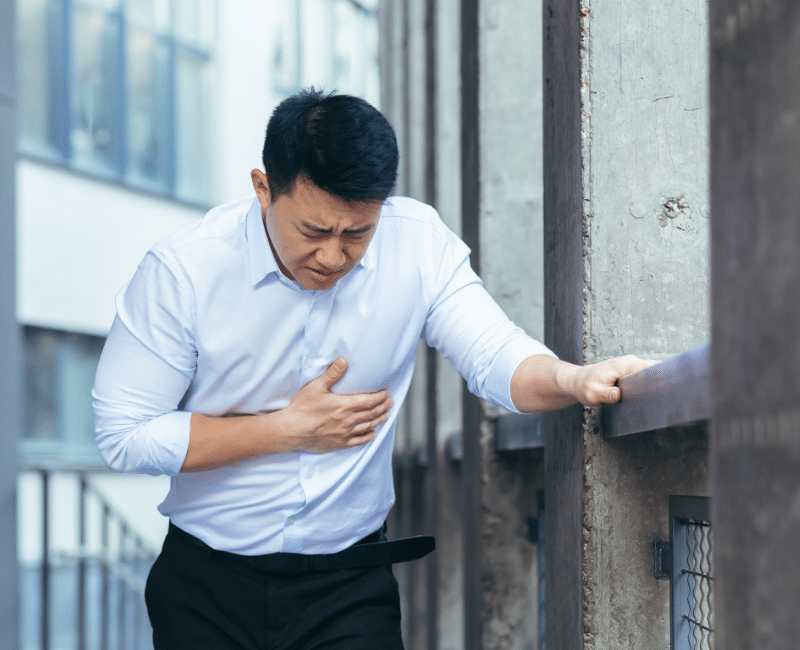
For generations, mental and physical health were treated as separate concerns, with different specialists and even different facilities. We’ve already made strides towards closing that gap, and now as ever-more studies reveal the inextricable link between mind and body, that divide is slowly becoming obsolete. This connection is vividly demonstrated in the association between mental health and circulatory diseases. Pressure water flow, vein function and vascular health are no longer exclusively mechanical problems, but manifestations conditioned by emotional stress and thought patterns and nervous system regulation.
Circulatory problems like chronic venous insufficiency, varicose veins and peripheral circulation deficiencies are related more often than not with old age genetics and way of life. As vital as such elements are, they don’t account for everything. Emotional stress, anxiety or depression and sustained psychological strain can quietly affect vascular health, perhaps exacerbating symptoms or hastening progression in ways that may not be immediately apparent.
Learning about Circulatory Disorders in More Than Just the Physical Sense
Circulation works to transport oxygen, nutrients, and hormones throughout your body while also removing waste products. The circulatory system functions because the blood vessels are elastic, the muscles react as directed, and the nervous system is in balance. If any of these units breaks down, circulation can be jeopardized.
Physical factors such as sitting or standing for long periods of time, obesity, hormone changes and weakened valves are commonly cited reasons for circulatory issues. But circulation is not solely a matter of anatomy. The nervous system is involved in the control of tone of blood vessels, heart rate and blood pressure, all influenced by emotional and psychologic states.
How Blood Flow Influences Mental Health
Mental health conditions like chronic stress, anxiety, and depression trigger the body’s stress response systems. When the brain senses ongoing threat or emotional stress, it signals the release of hormones, namely cortisol and adrenaline, that can have wide-ranging effects on the body. These hormones set the body up for surviving, constricting blood vessels, increasing heart rate and returning blood flow to essential organs.
This response is useful in the short term but it can do damage if it continues for any length of time. Long-term vasoconstriction impedes blood from flowing properly – especially the limbs. Over time this added resistance puts extra pressure on veins and valves that may lead to symptoms related to circulation including swelling, heaviness, aching and the appearance of visible veins.
Anxiety, Tension, and Vascular Resistance
Anxiety repeatedly turns on the body’s alarms, as if there is a predator lurking in every shadow and rustle. This ongoing arousal results in tight muscles, shallow breaths and less variation in heart rate. All of these play a role in circulation.
Tight muscles constrict blood vessels so that it becomes difficult for blood to return efficiently, particularly from the legs. Small breaths decrease the exchange of oxygen and affect the venous return to the heart. These changes may be additive and lead to a worsening of symptoms in those with pre-existing vascular susceptibilities. Anxiety can also amplify perception of pain, so that circulatory discomfort may seem more extreme than it would be otherwise.
Depression and Reduced Circulatory Efficiency
Depression takes more than an emotional toll. It is related to modifications in inflammatory markers, autonomic nervous system equilibrium and physical activity. People dealing with depression, for example, tend to be less physically active and sit for longer periods of time than the rest of us.” These individuals also often have problems with sleep which disrupts circulation.
Inflammation associated with depression can lead to thinning walls of blood vessels and impaired endothelial function, which means the body is less effective in controlling blood flow. While the physiological changes may not absolutely result in circulatory disturbances, it is what they tend to worsen pre-existing conditions or delay healing.
Chronic Stress and Its Effect on Your Vein Health
Chronic stress is one of the most overlooked causes of these circulatory difficulties. The difference is that while acute stress ends once a threat has passed, chronic stress subdues the body into an ongoing state of physiological disequilibrium. Blood vessels remain constricted, inflammation abides and the nervous system just can’t calm down.
In the venous system this creates elevated pressure in veins and disrupts normal contractions of muscles that aid in returning blood to the heart. This can eventually stretch the vein valves to the point where they can no longer close properly, causing more and more pronounced symptoms of venous insufficiency.
Psychological Distress and Disorders of the Circulatory System
The association between mental diseases and circulatory disturbance is not unidirectional. Suffering from chronic vascular diseases may even become a psychological stressor in its own right. pain, swelling, fatigue and cosmetic impacts, which can also decrease self-esteem, mobility and quality of life.
People can feel angry, embarrassed, anxious about their symptoms getting worse. These emotional reactions contribute to… stress, and consequently perpetuate the same bodily states that limit circulation. This cycle can then become self-perpetuating if not appropriately managed and have repercussions on mental, as well as physical health.
Why Circulatory Care Providers Need Mental Health Awareness
When considering circulatory disorders, it is helpful to remember the psychological aspects of these conditions in order to provide compassionate treatments. As gatekeepers to the psychophysiological link, mental health professionals are in a particularly advantageous position to assist individuals in learning how their emotional distress contributes to somatic complaints and in creating means of support for both psychological resiliency and physical equilibrium.
Balancing the nervous system through means such as stress management, emotional regulation, trauma resolution and lifestyle balance can shift overactivation. When the body steps out of what is essentially constant survival mode, blood vessels relax, inflammation often goes down and circulation improves.
Integrating Psychological and Medical Support
The best treatment of circulatory complaints frequently involves a combined effort on the part of physicians and mental health therapists. The psychological management of psychosocial stress responses and coping with medical assessment to diagnose and treat underlying vascular conditions, when indicated.
Bucks County Vein Treatment Whether relief is sought in the form of a college degree or medical care from a Bucks County Vein Specialist, options for treating and managing symptoms can be found. This holistic philosophy sees neither the body nor the mind as able to recover alone.
Long-Term Health Implications
Failure to address the psychiatric dimension of circulatory disturbances can impair therapy results and may cause unnecessary discomfort. Chronic stress and untreated anxiety will not just exacerbate the symptoms, but they can also lead to slower healing and higher risk of complications in time.
Concomitant mental health care with medical treatment, on the other hand, is commonly associated with better symptom control, adherence to treatment plans and global quality of life. Attending to emotional health allows people to be in a position of some control over their health, rather than being controlled by it.
A Holistic Perspective on Healing
This increasing realization regarding the mind, body relationship is a critical move towards understanding and dealing with circulatory system diseases. Instead of considering the diseases as purely somatic issues, a comprehensive approach takes into consideration emotional health, nervous system regulation and psychological resilience.
According to this view, the significance of medical intervention is not reduced but elevated. When mental health is treated along with the body, people receive integrated care that can lead to lasting wellness.
Conclusion
The connection between mental health and circulatory ills runs strong, deep — and unnoticed. Chronic stress and anxiety and depression influence blood flow, inflammation and vascular function in ways that can exacerbate symptoms and potentially contribute to longer-term outcomes.
Through a greater awareness of this hidden connection, professionals and patients can proceed to more merged and humane care. Mental health care isn’t just for warm fuzzies; it is a critical aspect of physical recovery. The mind is best when in concert with the body, recovery more effective and sustainable, and profoundly human.