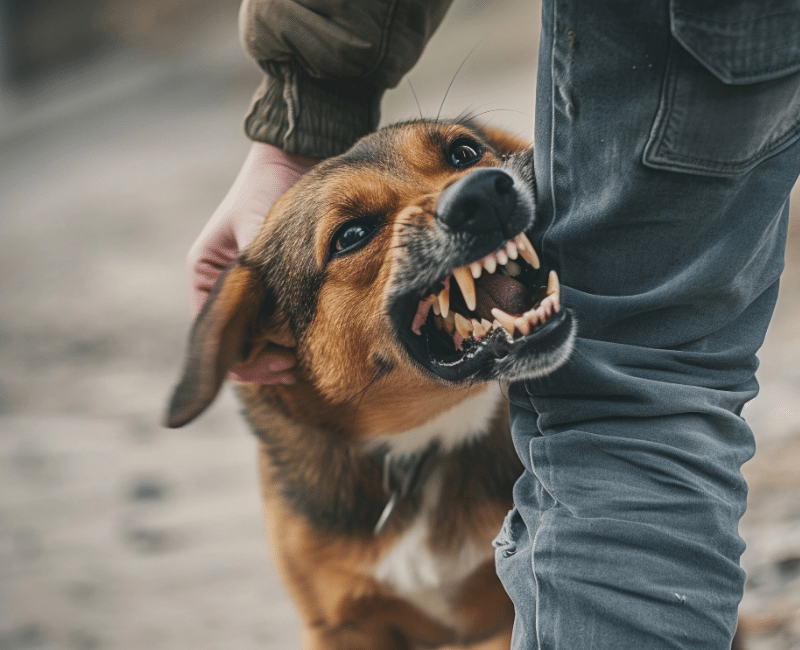
A dog bite can feel like a single awful moment, followed by stitches, antibiotics, and the hope that life goes back to normal. Sometimes it does. Sometimes it does not.
For many people, the hardest part shows up after the bruises fade. You might find yourself replaying the attack in your mind. You might tense up on walks, avoid certain streets, or feel your heart race when you hear a bark. In some cases, a dog bite can lead to post-traumatic stress disorder (PTSD).
This article walks through why dog bites can be traumatic, what PTSD can look like after an attack, and what recovery can include.
Why a Dog Bite Can Hit So Hard Emotionally
Dog bites often come out of nowhere. That sudden shift from “I’m fine” to “I’m in danger” is a big reason the experience can stick in the nervous system.
In the moment, your brain moves into survival mode. Adrenaline and other stress hormones flood your body. Your attention narrows. Your muscles tense. Your body does what it needs to do to get through it.
Afterward, many people settle back down with time and support. Others stay on high alert. The brain starts treating reminders like warnings, even when you are safe. That’s when you may notice fear, tension, and avoidance growing.
The risk can be higher if the bite was severe, if the attack felt especially chaotic, if it happened to a child, or if medical treatment was intense or frightening.
Explaining PTSD After a Dog Bite, in Plain Language
PTSD is a set of symptoms that can develop after a traumatic event. It’s often associated with war or major disasters, but it can also happen after experiences like animal attacks.
According to the American Psychiatric Association (APA), PTSD affects an estimated 4 percent of adults in the United States and about 8 percent of adolescents between the ages of 13 and 18. Over the course of a lifetime, roughly 6 percent of people in the U.S. are expected to experience PTSD.
PTSD tends to involve:
● Reliving the event in some way
● Avoiding reminders of it
● Feeling stuck in a constant state of alert
● Changes in mood, sleep, or thinking that make everyday life harder
Symptoms can appear right away or weeks or months later. Delayed symptoms can be unsettling, especially if you thought you were “over it.” This is common with trauma.
Signs and Symptoms to Watch For
People experience PTSD differently, but there are some patterns that come up often after a dog bite.
Reliving the attack:
● Intrusive memories that pop up at random
● Nightmares
● Flashbacks, or moments where it feels like the attack is happening again
● Intense distress when something reminds you of the incident
Avoidance:
● Staying away from dogs, parks, sidewalks, or neighborhoods where dogs are common
● Changing routines so you feel less exposed
● Avoiding conversations about what happened because it feels too activating
Being on edge:
● Scanning for danger, even in places that used to feel normal
● Jumping at sudden sounds or movements
● Difficulty relaxing your body
● Feeling irritable, restless, or “wired”
Mood and thinking changes:
● Feeling numb or disconnected
● Guilt, shame, or self-blame
● Trouble concentrating
● A lingering sense that the world is unsafe
Sleep problems, headaches, stomach issues, and muscle tension can also show up, especially when stress stays elevated over time.
How PTSD Can Ripple Into Daily Life
PTSD rarely stays contained to one part of life. It can affect how you move through your day and how you relate to other people.
You may stop doing things you enjoyed, like walking, jogging, or visiting friends. You might avoid certain errands if you worry you’ll run into dogs. Some people notice changes at work, including fatigue, distraction, or more frequent anxiety.
Relationships can get strained, too. Loved ones may not understand why fear lingers after the bite has healed physically. You might feel impatient, easily startled, or emotionally shut down. Parents may feel especially shaken when a child is bitten, and that anxiety can follow them everywhere.
First Steps That Support Recovery
The first step is often simple, though not always easy: acknowledging that what happened affected you. Many survivors minimize their experience because it “could have been worse.” Your nervous system does not measure trauma that way.
Talking with a mental health professional can help you make sense of what you’re feeling and build tools for steadying your body’s stress response. Therapy can also help you work with triggers in a way that feels safe and structured.
Practical stress can pile on quickly, too, from medical bills to missed work to uncertainty about what happens next. Location matters here. Illinois generally uses a strict liability approach to dog bites, while Kentucky can involve more variation based on circumstances and local rules.
Procedures can also differ when an incident happens on or near public property, and insurers may handle investigations and negotiations differently across states. If the bite occurred in Illinois, speaking with dog bite lawyers in Chicago can clarify the local process and reduce uncertainty, so you can focus on recovery.
Therapy Options That Can Help Dog Bite-Related PTSD
PTSD is treatable, and you do not have to “white-knuckle” your way through it. A therapist can help you find an approach that fits your symptoms, your history, and your comfort level.
Trauma-focused CBT (Cognitive Behavioral Therapy): This approach helps you notice thoughts that keep fear and distress running, then replace them with more balanced, realistic patterns. It also teaches coping skills for anxiety and triggers.
EMDR (Eye Movement Desensitization and Reprocessing): EMDR helps the brain process traumatic memories so they feel less intense and less intrusive. Many people find it helpful for flashbacks and body-based panic responses.
Exposure-based approaches: With a skilled therapist, gradual exposure can help reduce avoidance. The goal is to reintroduce triggers in a controlled way, so your nervous system learns that you are safe now. This should be paced carefully.
Supportive counseling and skills work: Sometimes the first need is stabilization through better sleep, nervous system regulation, and a sense of safety. Supportive counseling, grounding skills, and trauma-informed education can be powerful building blocks.
Self-Care That Supports the Work You Do in Therapy
Self-care is not a cure in itself, but it can make therapy more effective and daily life more manageable.
A few options that many people find helpful:
● Grounding practices: naming five things you can see, four you can feel, three you can hear
● Breathing skills: slow, steady breathing that lengthens the exhale
● Routine: predictable meals, sleep, and movement to help your body feel steadier
● Gentle activity: stretching or walking in settings that feel safe
● Reducing caffeine and alcohol: both can intensify anxiety and disrupt sleep for some people
If you notice that a coping strategy spikes panic or makes you feel worse, it may be a sign to slow down and get support around that step.
Helping a Child or Loved One After a Dog Bite
Kids can show trauma in ways adults do not expect. Some become clingier, more irritable, or more fearful of separation. Others have nightmares, regress in behavior, or act out the experience in play.
What helps most is steady, calm support:
● Keep routines consistent
● Invite them to talk, but do not force it
● Validate feelings without overreacting
● Watch for changes in sleep, appetite, or behavior that last more than a few weeks
Adults can need the same kind of care, even if they look “fine” on the outside. Listening without judgment goes a long way.
Moving Forward After Trauma
PTSD after a dog bite can be exhausting, but it can get better. With the right support, many people regain a sense of safety, return to activities they avoided, and feel more in control of their reactions.
Healing usually happens in steps. Some days will feel lighter, and other days might feel like a setback. That does not erase progress. Each time you use a coping tool, reach out for support, or show yourself compassion, you are teaching your nervous system something important: you are safe now, and you do not have to carry this alone.