Published on: April 24, 2023
Updated on: April 24, 2025
Author: Kentucky Counseling Center
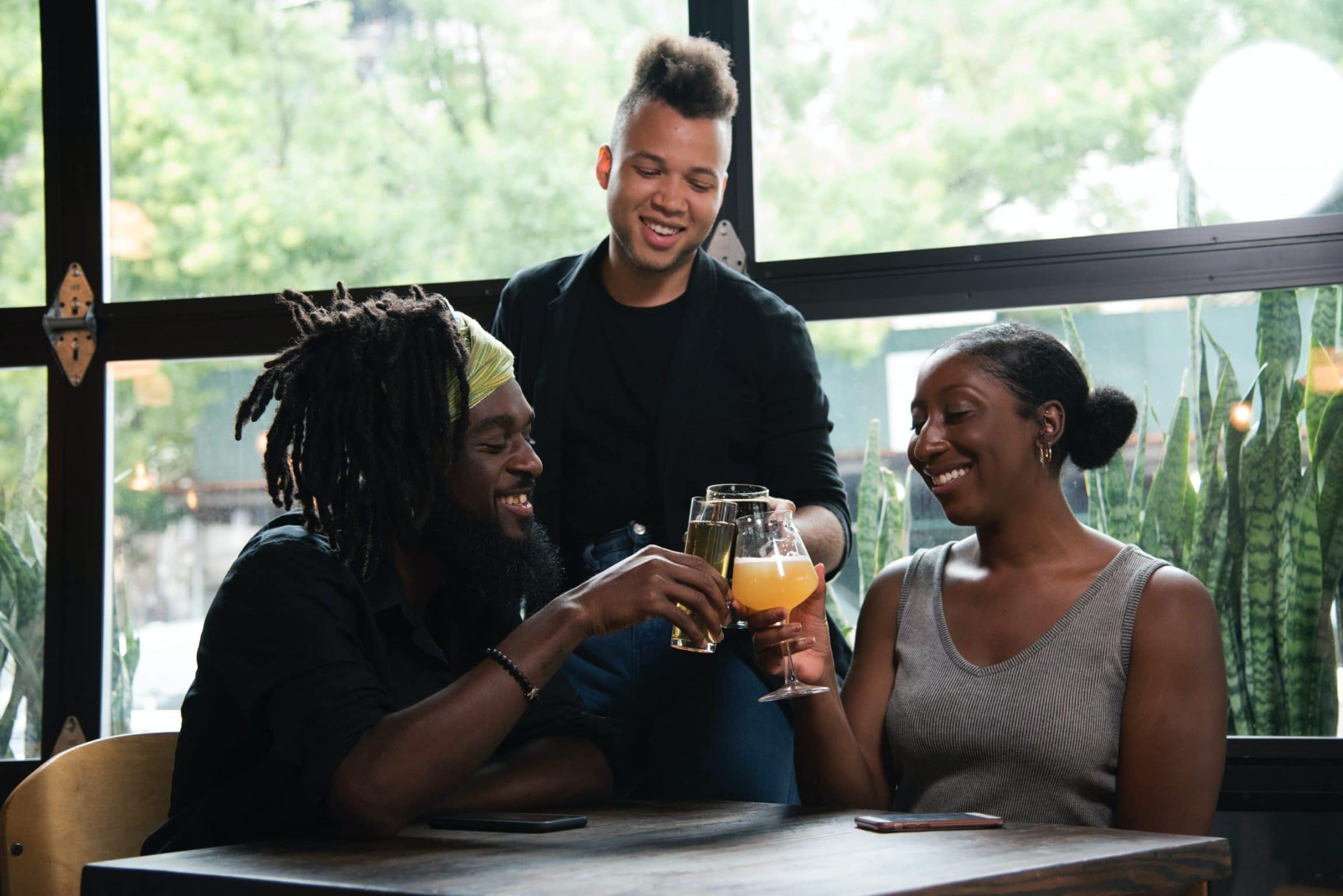
We often drink during special occasions and social gatherings to let go of inhibitions, loosen up, and enhance the fun of the moment. Alcohol can temporarily boost our mood by heightening certain personal traits, making it easier to communicate and socialize. However, alcohol also affects how we think and feel, frequently escalating emotions beyond our usual range.
While it’s normal to express intense emotions from time to time, it’s important to remember that you don’t need alcohol to share your feelings or process them healthily. Keep reading to learn more about why drinking can lead to emotional outbursts, how alcohol affects your brain, and what you can do to find healthier ways to cope.
Why Do We Get Drunk?
Some people enjoy a glass of wine at dinner or a beer with old friends, while others use alcohol to cope with stress, difficult emotions, or to forget painful experiences. Socially, alcohol is easy to access; many cultures integrate drinking into celebrations and events, further normalizing it.
- Stress Relief or Coping Mechanism: People experiencing depression, anxiety, or trauma may drink to alleviate negative feelings.
- Accessibility and Cultural Norms: Alcohol is legal, widely available, and often associated with festivities.
- Lowered Anxiety in Social Situations: Alcohol can serve as “liquid courage,” reducing inhibitions and social anxiety.
As the night goes on, it’s common to keep drinking to stay “in the moment.” This can bring a temporary sense of euphoria—until the effects wear off, leading to a host of unpleasant emotional and physical symptoms.
Hangover
A hangover is a common aftereffect of drinking. It encompasses a range of symptoms—headache, fatigue, nausea, and heightened sensitivity to light or noise. From a neurological standpoint:
- Brain Activity: Alcohol affects different neurotransmitters and can overexcite or inhibit neural responses, contributing to memory lapses (sometimes referred to as “intoxication blackouts”).
- Next-Day Gloominess: As the body processes alcohol, “happiness chemicals” diminish, potentially causing a “crash” in mood—sometimes called “hangxiety.”
Alcohol Is a Depressant
Although it can feel energizing at first, alcohol is classified as a depressant because it slows down the central nervous system. It disrupts natural levels of neurotransmitters—like serotonin, dopamine, and oxytocin—which shape our moods and emotions.
- Initial Euphoria: The brain releases a surge of dopamine and endorphins, creating feelings of pleasure and reduced inhibitions.
- Depressive Aftermath: Once those levels drop, anxiety, irritability, and low mood typically replace the euphoria.
- Physical Impairments: Slurred speech, poor coordination, and slower reaction times appear as alcohol further dampens the nervous system.
Excessive alcohol use can also exacerbate mental health issues such as depression or anxiety and, in severe cases, contribute to suicidal thoughts.
Mental Health Effects of Alcohol
Beyond short-term mood swings, drinking can affect long-term mental health:
- Altered Thinking and Judgment
Alcohol interferes with rational decision-making and can lessen inhibitions, causing impulsive or risky behaviors. - Liquid Courage
That feeling of confidence from alcohol can be a double-edged sword, sometimes leading to oversharing, conflict, or regretful actions. - Worsening Anxiety
Individuals with anxiety often feel more anxious once the initial alcohol-induced calm wears off. This cycle can lead to habitual or dependent drinking to manage stress. - Vicious Cycle of Use
If you repeatedly drink to avoid or numb negative emotions, you risk developing a substance use disorder (SUD), trapping yourself in a loop of anxiety and intoxication.
Alcohol Use Worsens Emotions
Waking up after a night of heavy drinking can leave you feeling tired, shaky, or depressed. These feelings can intensify if you already struggle with mental health concerns:
- Heightened Negativity: Instead of offering lasting relief, alcohol often intensifies the very emotions you’re trying to escape.
- Poor Problem-Solving Skills: Heavy drinking impairs cognitive functions, making it harder to find constructive solutions for life’s challenges.
- Lower Inhibitions, Stronger Feelings: If you’re angry, sad, or stressed, alcohol can amplify these emotions—leading to emotional outbursts or conflicts.
How Alcohol Drinking Causes Sleep Deprivation
Some people use alcohol as a nightcap to fall asleep faster. While alcohol does have a sedative effect, it disrupts the latter parts of your sleep cycle:
- Initial Sedation: Alcohol can reduce the time it takes to drift off.
- Fragmented Sleep: As your body metabolizes alcohol, you may wake up frequently, tossing and turning in the night.
- Reduced REM Sleep: Alcohol impairs the deep, restful stages of sleep, resulting in poor-quality rest.
Individuals with alcohol dependence or those going through withdrawal often experience severe insomnia. This lack of sleep can further compound mood and cognitive issues.
Levels of Alcohol Intoxication
When alcohol enters your bloodstream, it disturbs communication pathways in the brain. Here’s a brief overview of common intoxication levels, along with typical blood alcohol concentration (BAC) ranges:
- Subliminal Intoxication (0.01–0.05% BAC)
- Slight impairment in judgment or mood.
- Often occurs after about one drink in most people.
- Euphoria (0.03–0.12% BAC)
- Relaxation, talkativeness, reduced inhibitions.
- Often referred to as feeling “tipsy.”
- Excitement (0.09–0.25% BAC)
- Emotional instability, slurred speech, loss of critical judgment.
- Noticeable intoxication to others.
- Confusion (0.18–0.3% BAC)
- Disorientation, blackouts, potential short-term memory loss.
- High risk of injury due to reduced pain awareness and coordination.
- Stupor (≥0.25% BAC)
- Severe impairment of mental and physical functions.
- Risk of respiratory arrest, arrhythmia, and seizures—medical help often required.
Why Can’t You Stop Drinking?
If you find yourself getting overly emotional or drinking to escape reality, it’s vital to assess why. Ask:
- Are you self-medicating for depression, anxiety, or past trauma?
- Does alcohol feel like the only way to cope or socialize?
- Have you tried to stop or cut back but find it difficult to do so?
Seeking professional help can be the pivotal step in breaking the cycle. A mental health counselor or therapist can provide strategies for managing stress, anxiety, or depression—without relying on alcohol.
Take the Next Step: Seek Help for Your Drinking Problems
You don’t need to rely on alcohol to manage or escape your emotions. If you suspect that alcohol use is impacting your mental health, relationships, or daily life, professional intervention can help. At Kentucky Counseling Center (KCC), we offer compassionate counseling services—both online and in-person—to help you explore and address the root causes of your drinking.
Take control of your well-being. Schedule an online mental health counseling session with KCC today. The moment you decide to seek help is the moment you start taking back your life.