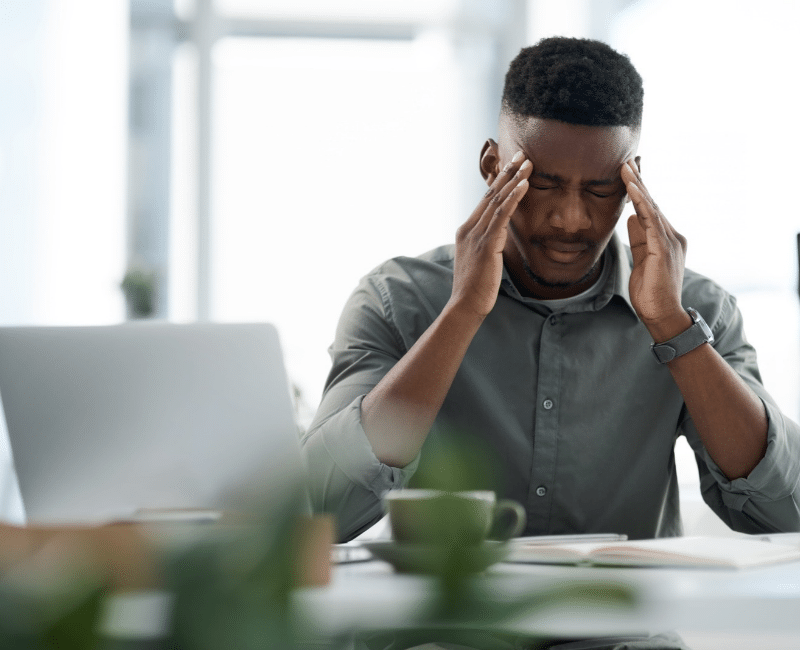

Mental well creation is often discussed as a mental balance especially between feelings, stress control, treatment or securing oneself. Although these contributors are all undeniably important considerations, one significant element of psychological well-being is often neglected: physical comfort. The mind and body are connected but continual physical pain impacts our mood, stress-resilience, focus and sleep therefore impacting mental health.
Most persons with chronic pain, bad movement of muscle tissue, tiredness or restriction in motion will not identify how greatly those physical symptoms affect health. Long-lasting pain can produce a slow build-up of stress, frustration and irritability that extends to emotional exhaustion over the course of time and negatively impacts relationships, productivity or quality of life.
Contemporary healthcare understands that mental wellness and physical health are intertwined, not to be treated separately. This understanding of how physical comfort can lead to emotional stability allows for a more holistic approach to sustain long-term health and well-being from a place of recovery.
The Mind-Body Connection
Medical research and our daily experiences show the link between physical and mental health. With a well rested, comfortable and capable body, emotional balance and mental clarity are easier to come by. On the other hand, chronic pain may keep the nervous system on high alert for long periods of time, slowly affecting mood and mental fortitude.
It constantly receives signals from the body. Physiologically, pain, inflammation, muscle tension, and circulation issues can activate stress responses that trigger emotional fatigue and impair the capacity to cope with daily challenges. Even slight but chronic pain can have a cumulative effect on attention spans, frustration tolerance, sleep and energy levels.
Physical discomfort as well has an influence on how a person engages with the world. Those who suffer from chronic pain or have a disability and do not move as much as before can also become less social, participate less in physical activity, start to lose interest in things they used to do, or resent being confined by their limitations during their life.
Thus, mental wellness is not mere emotional processing or cognitive health. It is also dependent on how comfortably and efficiently our body performs its everyday functions.
The Impact of Chronic Discomfort on Your Emotional Wellness
Emotional strain can build over time, as symptoms that are manageable at first give way to lifestyle impact when living with unresolved physical pain. Many chronic migraines, for example, lead to conditions where the body is constantly forced to adapt physically, such as pain, circulation issues or muscle fatigue and all of these can be mentally taxing long term.
For many with chronic pain, the nervous system remains on alert mode too long and results in increased irritability, anxiety, or emotional burnout. Emotional resilience tends to be poor anyway, but can deteriorate further if the physical symptoms get in the way of sleep, mobility or energy.
Sleep disturbance plays a crucial role in this relationship. A chronic pain may hinder you from settling in or staying asleep the whole night. Bad quality of sleep can in turn make mood more unstable, raise the amount of stress hormones and decrease recovery from physical activity emotions.
Chronic pain can further lead to helplessness or loneliness. People with pain or mobility limitations often disengage from social events, exercise, or jobs because they find it too challenging to participate in activities due to physical symptoms.
All of this compounded by physical exhaustion and emotional duress can take a real toll on mental wellness and quality of life.
Circulation and Physical Comfort
Circulatory health is a vital aspect of comfort and wellbeing in daily life. Bloodflow which means that healing tissue means better muscle function. Gradual development of swelling, heaviness in the leg, cramping, fatigue and discomfort are common symptoms when circulation is impaired.
Vein problems mostly occur in people who spend long hours sitting or standing. None of the symptoms can just be generalised as Varicose veins and chronic venous insufficiency leads to aching, throbbing or swelling or heaviness felt in legs that gets worse by the end of day. Sometimes these symptoms are dismissed as trivial or just a cosmetic issue, but they affect comfort, quality of sleep and emotional well-being over time.
Individuals experiencing these symptoms may benefit from seeking professional care to get treated by experienced vein specialists for lasting relief and improve both physical comfort and overall wellness.
6 Ways Physical Comfort Can Help You Build Your Mental Resilience
When the body feels well supported, the mind usually becomes resilient too. Employees work better in comfort, sleep deeper in comfort, socialise more comfortably and deal with stress within the confines of a safe and comfortable environment.
For example, physical activity of any manner has both bodily and emotional benefits. Exercise enhances circulation, decreases inflammation, aids joint function and releases endorphins that control mood and alleviate stress.
Alleviation of pain and increased mobility can in-turn, also lead to restoration of independence and confidence. For many people, there is an enormous sense of emotional relief when they are able to do what they like to do comfortably again.
Reduced chronic pain and stress signals allow for an improved functioning); these variables appear to improve the function of the nervous system over time by entire. This might be beneficial to emotional regulation, focus, and the body’s ability to overcome mental fatigue.
Mental wellness thus has to do not only with ameliorating psychosocial stresses that overwhelm some people through the provision of adequate mental health care but also with making physical environments supportive of recovery, wellbeing and stability for as long as it is needed.
A Holistic Approach to Wellness
Healthcare is slowly moving away from traditional models that treat physical health and emotional health separately and towards holistic wellness where they are viewed in tandem. Modern care approaches consider how various systems in the body interact rather than simply addressing symptoms individually.
In short, you are what you sleep (or eat or move), so all of the above can play into your overall well-being when it comes to stress management, sleep quality, nutrition quality, circulation,movement and emotional support. Focusing on the physical sooner might help lessen emotional agony before it becomes an outsize problem down the line.
Preventive healthcare is also an important component. Chronic swelling, pain, fatigue, mobility problems, or seemingly harmless symptoms that are circulation-related need not just be accepted as part and parcel of growing old or the realities of modern living. In many cases, this early assessment and treatment can lead to improved physical comfort and mental health outcomes.
Counseling, mindfulness practices, physiotherapy, exercise and medicine might all combine to facilitate greater healing overall and promote better long-term health.
Creating Better Daily Wellness Habits
Creating physical comfort starts before you rise indissolubly. Linked are your daily rituals promoting regeneration and blood flow. Physical activity, good posture, hydration and sleep practice all have positive impacts on both physical and emotional wellness.
Stress management is just as important since chronic stress plays a role in muscle tension, inflammation and fatigue. Mindfulness practices, breathing practices, and work-life balance could lower physical tension but increase emotional resilience.
It is also important to listen to the body. A gradual onset of discomfort should not absolve you from pursuing further investigation. By identifying symptoms before physical complications have developed that will impact long-term mental health more seriously, they can seek proper treatment.
Conclusion
Physical comfort is so important to mental wellness. Our body and mind, I believe, are ongoingly affecting each other and even a history of long-standing physical pain can slowly drain emotional strength as well as sleep quality, attention-levels and experience of life.
Healthier circulation, mobility, pain control, and physical rehabilitation all lead to better resilience and improved well-being in our daily lives. Learning the relationship between physical and mental health empowers people to take a more active and holistic approach to long-term health wellbeing.
Modern health care is coming to understand that enhancing physical comfort can involve more than just pain relief. However, it also works to maintain emotional equilibrium, restore your confidence, and help people achieve better quality of life and mental health as well as physical fitness.