Helping children develop healthy routines is not just about physical care; it also plays a meaningful role in their emotional and psychological development. Daily habits like brushing teeth may seem small, but they contribute to a child’s sense of structure, safety, and self-discipline. When these routines are introduced in a supportive way, they help children feel more in control of their environment, which is essential for emotional stability during early development.
For many children, everyday habits are closely connected to how they feel rather than what they are told to do. Dental care, in particular, can sometimes trigger hesitation or anxiety if it is introduced with pressure or inconsistency. When parents focus on creating a calm, predictable, and reassuring environment, these habits become easier to accept. Over time, this approach not only strengthens routines but also supports a child’s confidence, reduces stress, and encourages positive behavioral patterns.
Start Early And Build Emotional Familiarity
Introducing dental care early does more than establish a routine, it helps children develop a sense of familiarity and emotional comfort with the process. Even before teeth fully emerge, gently cleaning the gums can signal that oral care is a normal and safe part of daily life. This early exposure reduces uncertainty, which is one of the main causes of anxiety in young children.
At this stage, the goal is not perfection but emotional ease and consistency. Children are still learning coordination and may not brush effectively at first, and that is completely acceptable. What matters is creating a positive association. When brushing is introduced in a calm and patient manner, children are more likely to view it as a neutral or even enjoyable experience rather than something stressful or forced.
Create A Sense Of Safety And Control
Resistance to brushing is often not just about refusal but about a child feeling a lack of control. This can lead to early signs of dental anxiety including avoidance, discomfort, or emotional distress when dental care is mentioned. Addressing this emotional aspect is key to building habits that last.
Allowing children to make small choices, such as picking their toothbrush, choosing a toothpaste flavor, or deciding the order of their routine, can significantly reduce stress. These choices give them a sense of involvement and ownership. When children feel included rather than controlled, they are more likely to cooperate. A calm and reassuring tone from parents further strengthens emotional security, making the entire experience feel safer and more manageable.
Model Healthy Behavior And Emotional Consistency
Children learn more from observation than instruction, especially when it comes to daily habits. When they see parents brushing and flossing regularly without frustration, they begin to internalize these actions as normal behavior. Introducing small, enjoyable elements like flavored toothpaste can also make the experience more appealing and less intimidating for children. This modeling not only teaches the habit itself but also shapes how children emotionally respond to it.
Brushing together can make the routine feel like a shared activity rather than a task imposed on them. This reduces feelings of resistance and builds a sense of connection. Over time, children become more comfortable and confident, allowing them to transition into independent habits without pressure. Emotional consistency from parents plays a crucial role in reinforcing this learning process.
Manage Sugar With Awareness, Not Fear
Food habits are closely linked to both physical health and emotional well-being. When sugar intake is managed through strict restrictions or negative labeling, it can create confusion or stress for children. Instead, a balanced approach that focuses on awareness helps children develop a healthier relationship with food.
Explaining how certain foods affect teeth in simple, age-appropriate ways allows children to understand cause and effect. This reduces resistance and promotes cooperation. By focusing on moderation rather than elimination, parents can avoid turning food into a source of anxiety. This approach supports both emotional balance and long-term habit formation.
Make Dental Visits Emotionally Comfortable
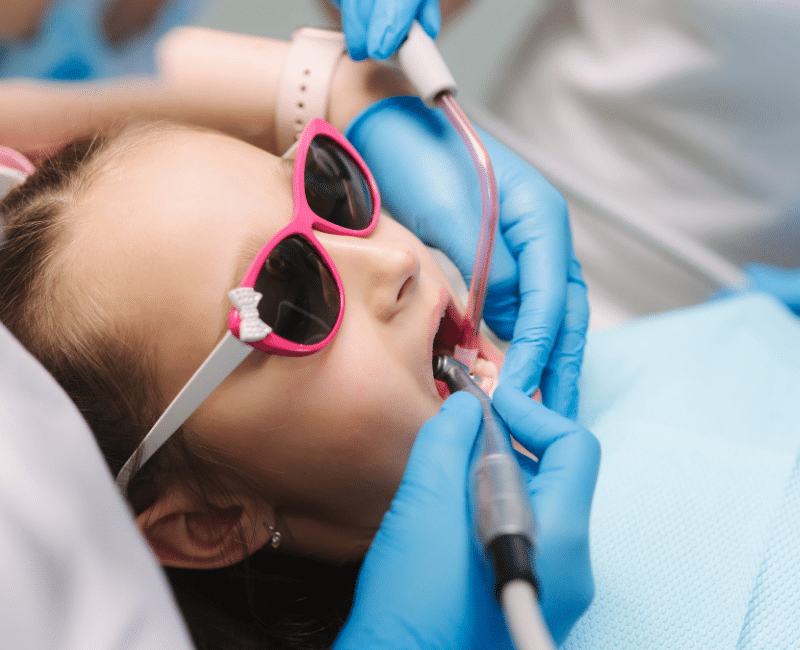
Dental visits can often be a source of anxiety for children, especially if they are unfamiliar or presented in a stressful way. The emotional tone set during early visits plays a significant role in shaping how children perceive oral care in the future. Keeping these visits calm, routine, and predictable is often better than overexplaining, as it helps prevent unnecessary fear from developing.
Children are highly responsive to the emotions of adults around them. When parents present dental visits as a normal part of life rather than something to worry about, children are more likely to feel at ease. Regular visits also build familiarity, which reduces anxiety over time. When experiences feel predictable, they become less intimidating and more manageable for children.
Encourage Independence While Supporting Confidence
As children grow, they naturally seek independence, including taking responsibility for brushing their own teeth. Encouraging this independence is important for building confidence, but it must be supported carefully to avoid frustration or self-doubt. A gradual transition works best.
Allowing children to brush on their own while still offering gentle guidance ensures that they feel capable without being overwhelmed. This balance between independence and support helps build self-confidence. When children believe in their ability to complete a task, they are more likely to continue the habit consistently and with a positive mindset.
Build Consistency To Reduce Daily Stress
Consistency is one of the most important factors in both habit formation and emotional stability. When routines are predictable, children feel more secure because they know what to expect. This reduces resistance and minimizes daily conflict around tasks like brushing.
Linking dental care to specific times of the day, such as after breakfast and before bedtime, helps integrate it naturally into a child’s routine. Over time, this consistency removes the need for reminders or negotiations. Instead of relying on motivation, which can vary, routines become automatic. This predictability creates a calmer environment and supports emotional well-being.
Conclusion
Building strong dental habits in children goes beyond maintaining oral hygiene. It is closely connected to their emotional development, sense of security, and ability to form consistent routines. When these habits are introduced with patience, understanding, and emotional awareness, they become a source of comfort rather than stress.
By focusing on emotional safety, gradual independence, and supportive guidance, parents can help children develop habits that last a lifetime. These daily practices not only protect physical health but also build confidence, reduce anxiety, and contribute to a child’s overall mental well-being.