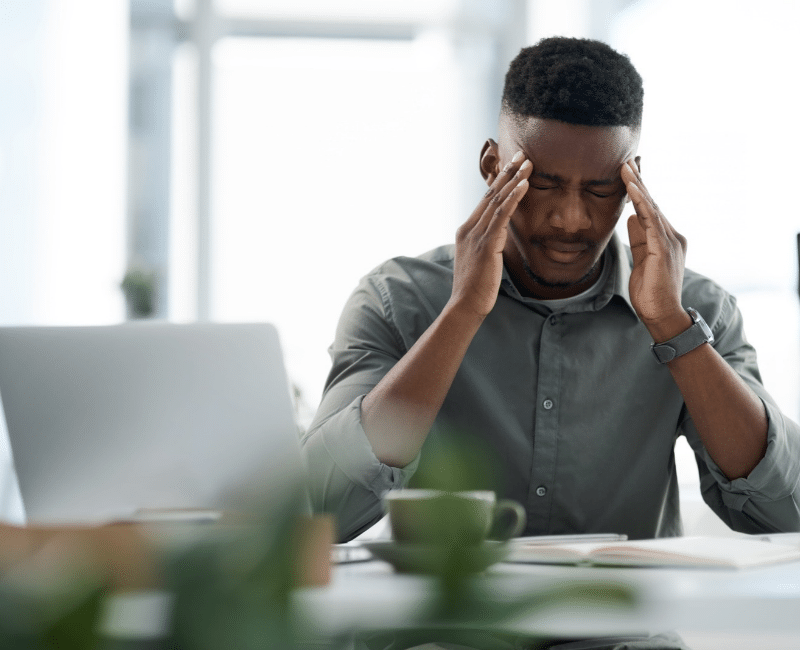

Stress does not cause varicose veins overnight, but it can make vein trouble harder, which you can not ignore. When you are stressed for a long time, it affects more than your mood. It can change how you move, how much you rest, and how often you stay in the same position for long stretches. Over time, those patterns can add pressure to the veins in your legs and make existing problems feel worse.
If you have been noticing leg heaviness, swelling, or veins that seem more visible, it may be worth talking to a vein clinic near Westworld Scottsdale. Stress can change the way you sit, sleep, and carry tension in your body, and that often makes vein symptoms more noticeable. A clinic that focuses on leg vein health can help you understand whether stress is only part of the picture or whether there is a deeper vein issue behind what you are feeling.
Circulation Matters
When stress becomes constant, the body tends to stay on high alert longer than it should. That can affect blood pressure, muscle tension, and circulation. In the legs, where blood already has to work against gravity, that extra strain can matter more than you realize. If the veins are already under pressure, stress can make the system feel even more tired and less efficient.
Daily Strain
Varicose veins do not happen because of one stressful week or one long day. They develop over time when the valves in the veins do not function properly. Stress does not replace that medical cause, but it can make the problem easier to trigger or harder to ignore. When your routine keeps your legs inactive and your body tense, the veins have less support than they need.
When Symptoms Build
Stress can also make early vein symptoms feel more intense. A little aching may seem worse at the end of a hard day. Swelling may feel more frustrating when you are already worn out. Restless legs can become hard to ignore when your mind is tired too. Sometimes the signs are easy to dismiss because they come and go. But when the same leg heaviness or discomfort keeps coming back, it usually means your body is trying to tell you something.
Leg-Specific Impact
The connection between stress and vein concerns shows up most clearly in the legs. Varicose veins, spider veins, and chronic venous insufficiency are all venous problems, and they often become more noticeable when the body is under repeated pressure. Stress may not be the only factor, but it can be one of the reasons symptoms build faster or feel harder to manage.
That is true if your daily routine already puts stress on the legs. Long hours of standing, sitting, or too little movement can all make the veins work hard. When that is combined with emotional stress, the legs can start to feel the strain in a very real way.
Treatment Choices
If stress and vein problems are both part of the picture, treatment should focus on the leg veins themselves instead of only trying to manage the discomfort around them. A specialist may recommend minimally invasive treatments depending on what the evaluation shows. Treatment options can include sclerotherapy, radiofrequency ablation, endovenous laser treatment, microphlebectomy, Varithena, or VenaSeal.
The right treatment depends on the vein issue you actually have. That is important because the goal is not to add more disruption to your life. It is to choose a treatment that fits the problem, supports healthier blood flow, and helps your legs feel better without turning the
process into something overwhelming.
When to Act
The best time to get checked is usually before the discomfort becomes something you learn to live with. If your legs feel heavier during stressful periods, if swelling keeps coming back, or if aching and restlessness are starting to feel familiar, it makes sense to have them looked at. A vein specialist can help you figure out whether stress is making an existing issue worse or whether the veins need treatment on their own.
Conclusion
Stress is not the only reason varicose veins develop, but it plays a role in their development. When stress affects your circulatory system, your habits, and your daily movement, it can make vein problems more likely to show up or more difficult to ignore. If you keep noticing changes in your legs, getting a proper evaluation is the best way to understand what is happening and what your next step should be.