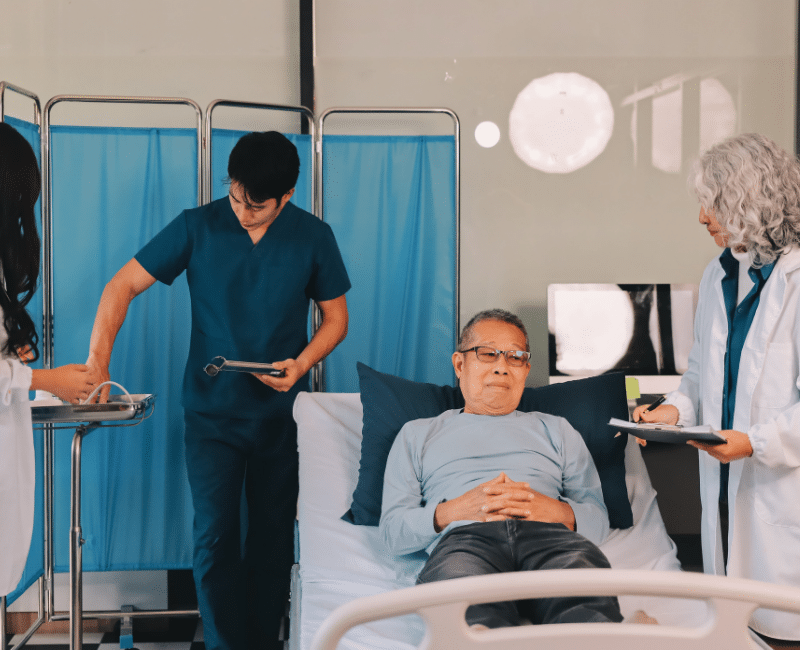
Nursing is a profession marked by its diversity and dynamism, offering a plethora of career paths to those armed with an advanced degree. The evolution of healthcare has given rise to various nursing specialties, each playing a crucial role in patient care and the broader medical landscape.
For nurses aspiring to broaden their horizons and deepen their expertise, an advanced nursing degree can be a gateway to exciting and fulfilling specializations. This article explores eight such specialties, offering insights into their unique roles, responsibilities, and the impact they have in healthcare.
1. Nurse Practitioner
Nurse Practitioners (NPs) stand at the forefront of advanced nursing, providing primary and specialty healthcare. They play a pivotal role in bridging the gap between doctors and registered nurses. NPs conduct physical exams, diagnose and treat common ailments, prescribe medications, and manage overall patient care. They often serve as a patient’s primary healthcare provider, especially in underserved areas.
Educationally, becoming an NP requires a Master’s or Doctoral degree in nursing, along with specific certification in their chosen specialty. NPs work in various settings, from hospitals and private practices to community clinics. This specialty not only offers a high degree of autonomy but also a chance to form lasting relationships with patients, significantly impacting community health.
2. Nurse Educator
Nurse Educators work to shape the minds and skills of future nurses. In this critical role, they combine clinical expertise with a passion for teaching, ensuring that the next generation of nurses is well-prepared for the challenges of healthcare. With the option of an online master’s in nursing education, nurses can seamlessly transition into this role, balancing work and study.
The demand for Nurse Educators is on the rise, driven by a growing need for qualified nursing professionals. They work in academic settings, teaching hospitals, and even on online platforms, designing and implementing educational programs, mentoring students, and staying abreast of the latest in healthcare trends and technologies.
3. Clinical Nurse Specialist
Clinical Nurse Specialists (CNS) are advanced practice registered nurses who focus on improving patient outcomes and nursing care. They specialize in a specific area of medicine, such as pediatrics, geriatrics, or emergency care. CNSs not only provide direct patient care but also play a vital role in advising nursing staff and influencing systemic changes in their healthcare settings.
To become a CNS, nurses typically need a Master’s or Doctoral degree in nursing with a focus on their area of specialty. They work in a variety of healthcare environments, including hospitals, clinics, and community settings. As leaders in the nursing field, they drive innovation in patient care, ensure the use of best practices, and contribute to research in their specialty areas.
4. Nurse Anesthetist
Nurse Anesthetists, or Certified Registered Nurse Anesthetists (CRNAs), specialize in administering anesthesia and providing care before, during, and after surgical procedures. They play a crucial role in ensuring patients undergo surgeries safely and comfortably. This specialty requires a high level of precision and expertise, as CRNAs manage patients’ pain and vital signs throughout surgical procedures.
The path to becoming a CRNA involves obtaining a Master’s degree in nurse anesthesia and passing a national certification examination. CRNAs work in various settings, including hospitals, outpatient surgical centers, and dental offices. This role is not only financially rewarding but also extremely critical in surgical teams, demanding a high degree of skill and dedication.
5. Nurse Midwife
Nurse Midwives specialize in women’s reproductive health and childbirth, providing a blend of nurturing care and medical expertise. They guide expectant mothers through pregnancy, labor, and postpartum, focusing on holistic and patient-centered care. Nurse Midwives also play a key role in women’s health, offering gynecological exams, family planning advice, and prenatal care.
To become a Nurse Midwife, a Master’s degree in nurse-midwifery is required, along with certification. They work in hospitals, birthing centers, private practices, and sometimes in home birth settings. This specialty is deeply rewarding, offering a unique opportunity to support women through one of the most significant experiences of their lives – childbirth.
6. Pediatric Nurse
Pediatric Nurses specialize in caring for children from infancy through adolescence. This role demands not only a thorough understanding of child-specific illnesses and health issues but also the ability to interact effectively with young patients. Pediatric Nurses provide comprehensive care, including conducting physical exams, administering vaccinations, and educating families on health maintenance and disease prevention.
Becoming a Pediatric Nurse typically requires additional certification in pediatric nursing after obtaining a nursing degree. The ability to communicate compassionately with children and their families is crucial in this role. Pediatric Nurses work in diverse environments, including pediatric wards in hospitals, schools, and community health centers.
7. Psychiatric Mental Health Nurse
Psychiatric Mental Health Nurses are vital in the field of mental health, providing care to patients with psychiatric disorders. They assess and diagnose mental health conditions, develop treatment plans, and provide therapy. This specialty requires nurses to have strong communication skills, empathy, and a deep understanding of mental health issues.
Nurses in this field typically need a Master’s degree in psychiatric-mental health nursing. They work in a variety of settings, including mental health clinics, hospitals, and private practices. Psychiatric Mental Health Nurses play a critical role in helping patients manage mental illnesses, offering support and advocacy, making it a fulfilling field for those passionate about mental health care.
8. Emergency Room Nurse
Emergency Room (ER) Nurses work in the fast-paced environment of emergency departments, providing care to patients with a wide range of illnesses and injuries. They must quickly assess patient needs, administer emergency interventions, and collaborate with other healthcare professionals. This role requires excellent critical thinking skills, the ability to work under pressure, and strong clinical skills.
ER Nurses typically undergo specialized training in emergency care after completing their nursing degree. Working in an ER offers a dynamic and challenging environment, ideal for those who thrive in high-stakes situations and seek a diverse nursing experience.
Conclusion
Exploring these eight nursing specialties reveals the vast array of paths available to those with an advanced nursing degree. Each specialty offers unique challenges and rewards, allowing nurses to find a niche that aligns with their interests and strengths.
From shaping the future of healthcare as Nurse Educators to providing critical care in emergency settings, these roles underscore the essential and diverse contributions of nurses in the healthcare system.