
Animal Assisted Therapy for Treating Substance Use Disorders
Animal Assisted Therapy, often abbreviated as AAT, is a therapeutic approach that involves the inclusion of trained animals as an integral part of the treatment process. This unique form of therapy recognizes the profound impact that interactions with animals can have on the emotional, mental, and physical well-being of individuals. Unlike other therapeutic modalities, animal assisted therapies harness the innate connection between humans and animals to address a variety of psychological and emotional issues, with a specific focus on its application in the context of treatment for substance use disorders.
In this article, we’ll explore the benefits and roles of AAT for substance abuse treatment, with a special focus on canine and equine-assisted therapies.
Animal Assisted Therapy (AAT) in Substance Use Disorder Treatment

In Animal Assisted Therapy sessions, the animals, which can include dogs, horses, and other animals, work alongside trained therapists to facilitate the achievement of therapeutic goals. The primary objective of animal therapy is to leverage the positive influence of these animals to enhance the overall effectiveness of the therapeutic process. This collaborative approach recognizes the symbiotic relationship between humans and animals, tapping into the healing power of the animal-human bond.
It’s important to note that Animal Assisted Therapy is not a one-size-fits-all approach. The specific goals and techniques employed in the therapy process may vary based on the individual needs of the client and the type of animal involved. Whether through the playful interactions with a therapy dog or the serene connection with a therapy horse, AAT seeks to create a supportive and non-judgmental environment that fosters personal growth and recovery.
Animal Assisted Therapies are distinct from other animal-related interventions, such as animal-assisted activities (AAA), in that it is intentionally designed to achieve therapeutic outcomes under the guidance of trained mental health professionals. While the mere presence of animals can bring joy and comfort, AAT goes beyond, incorporating structured interventions to address specific therapeutic objectives related to drug or alcohol addiction treatment and recovery.
Benefits of Animal-Assisted Therapy for Addiction
The benefits of animal therapy for addiction are multifaceted, encompassing emotional, psychological, and physical aspects of an individual’s well-being. Here are some key advantages:
Emotional Support
Animals provide unconditional love and support, creating a non-judgmental space for individuals in recovery. The presence of therapy animals helps reduce feelings of isolation and loneliness commonly experienced during drug addiction treatment.
Stress Reduction
Interactions with animals have been shown to lower stress levels and cortisol production, contributing to a more relaxed and calm state of mind. Physical touch and companionship from therapy animals can have a soothing effect, and reduce anxiety and tension.
Enhanced Mood
Animal assisted interventions have many therapeutic benefits on mood by promoting the release of endorphins, the body’s natural mood elevators. Engaging with service animals can re-establish the natural neurochemical pathways in the brain, which serves to bring joy, laughter, and a sense of pleasure, counteracting feelings of sadness or depression.
Increased Motivation
Caring for a service animal holds so much therapeutic potential. It not only instills a sense of responsibility and routine, but also fosters motivation for individuals to stay committed to their recovery journey. The bond formed with an animal can serve as a powerful motivator for making positive lifestyle changes.
Improved Communication Skills
Animal interactions encourage non-verbal communication, which can be especially beneficial for individuals who find it challenging to express themselves verbally, in and out of a therapeutic environment. Learning to understand and respond to the cues of therapy animals can translate into improved interpersonal communication skills.
Building Trust and Empathy
Developing a connection with a therapy animal builds trust, an essential element in substance use disorder treatment. The reciprocal nature of the human-animal bond fosters empathy, helping individuals cultivate compassion for themselves and others.
Distraction from Cravings
Engaging in activities with a service animal provides a positive distraction from cravings and urges related to substance use. The focus on the present moment during animal interactions can redirect attention away from triggers for addictive behaviors.
Physical Exercise and Well-Being
Certain Animal Assisted Therapy modalities, such as equine therapy, involve physical activities that contribute to improved fitness and overall well-being, thus lowering the risk of exacerbating any underlying mental health disorders. The act of caring for and exercising with animals promotes a healthier lifestyle, complementing the physical aspects of drug abuse recovery.
Encouragement of Responsibility
Taking care of a therapy animal instills a sense of responsibility, teaching individuals to prioritize the well-being of another living being. This responsibility can extend beyond the therapy setting, encouraging a more structured and accountable lifestyle.
Long-Term Coping Mechanism
The skills and coping mechanisms learned through animal therapy can extend beyond the therapy sessions, providing individuals with lasting tools for managing stress and maintaining recovery.
Incorporating Animal-Assisted Therapy into addiction treatment programs offers a holistic and integrated approach that addresses the diverse needs of individuals on the path to recovery. The positive outcomes observed in various aspects of well-being make AAT a valuable and enriching component of comprehensive treatment plans.
Role of Animals in Addiction Prevention and Recovery
Therapy animals play a crucial role in addiction prevention and recovery by fostering a connection between individuals and the natural world. This connection can serve as a source of motivation, encouraging clients to make positive changes in their lives.
Animals provide a sense of responsibility, routine, and structure, which are essential elements in the recovery process.
How Animals Can Assist Patients in Substance Abuse Treatment
In therapy sessions, animals contribute to the therapeutic process by promoting emotional expression, improving interpersonal skills, and enhancing empathy. The act of caring for and bonding with an animal can help individuals develop a sense of purpose and self-worth, crucial elements in breaking free from the cycle of addiction.
Effects of Animal-Assisted Therapy on Co-Occurring Disorders
The effects of Animal-Assisted Therapy extend beyond substance use disorders to offer profound relief for co-occurring disorders like anxiety, depression, and PTSD. The comforting presence of therapy animals serves to reduce anxiety, aiding individuals in managing symptoms of mental health problems and fostering an environment conducive to overall mental well-being.
Through the therapeutic alliance with a therapy animal, individuals find a respite from the complexities of mental illnesses, creating a harmonious pathway toward long-term recovery.
Canine-Assisted Therapy: The Ultimate Therapeutic Alliance
Canine-assisted therapy has gained popularity for its ability to create strong emotional bonds between individuals in therapy and their canine companions. Dogs offer companionship, unconditional love, and a non-judgmental presence, making them valuable allies in the journey to recovery.

Building Emotional Bonds
One of the distinctive features of pet therapy is its unparalleled ability to foster strong emotional bonds between individuals in therapy and their canine companions. Dogs, known for their empathetic nature, have an innate ability to connect with human emotions. This connection creates a safe and supportive environment where individuals can express themselves openly and without fear of judgment.
Companionship and Unconditional Love
Dogs excel in providing companionship, and their unwavering loyalty becomes a source of solace for those navigating the challenges of addiction. The unconditional love offered by therapy dogs transcends the complexities of human relationships, offering a consistent and reassuring presence throughout the ups and downs of the recovery journey.
Non-Judgmental Presence
In the therapeutic space, the non-judgmental nature of dogs plays a crucial role in promoting trust and openness. Individuals in recovery often grapple with feelings of guilt and shame, but therapy dogs offer a judgment-free space where acceptance and understanding prevail. This creates a foundation for healing and self-discovery.
Emotional Support and Stress Reduction
The emotional support provided by therapy dogs contributes significantly to stress reduction. Interactions with dogs trigger the release of oxytocin, often referred to as the “love hormone,” leading to a sense of calm and well-being. This is particularly beneficial for individuals navigating the emotional complexities of treatment for substance use disorders.
Motivation and Responsibility
Caring for a therapy dog instills a sense of responsibility and routine in individuals undergoing treatment. The daily tasks of feeding, grooming, and exercising the dog provide a structured framework that encourages a commitment to positive lifestyle changes. This sense of purpose and accountability becomes a motivating force in the recovery process.
In conclusion, pet therapy stands as a testament to the transformative power of the human-canine bond. With their innate ability to offer companionship, unconditional love, and a non-judgmental presence, therapy dogs become cherished allies in the challenging yet rewarding journey to recovery from addiction. The wagging tails and empathetic eyes of these canine companions leave an indelible mark on the hearts and healing of those they accompany on the path to a brighter, substance-free future.
Equine-Assisted Therapy for Addiction: Treatment for Substance Abuse
Equine-assisted therapy, commonly known as horse-assisted therapy, involves interactions with horses to address emotional and behavioral challenges. The unique connection between humans and horses can promote self-awareness, communication skills, and emotional regulation, making it a powerful tool in a treatment environment.

Harnessing the Power of Connection
Equine therapy recognizes the unique ability of horses to establish deep and meaningful connections with humans. The non-judgmental and intuitive nature of horses creates an environment where individuals in therapy can forge bonds that transcend words. This connection becomes a cornerstone in the journey towards addiction recovery.
Promoting Self-Awareness
Interactions with horses provide a reflective space for individuals to explore and understand their emotions, behaviors, and thought patterns. Horses, being highly perceptive animals, respond to the emotional cues of humans, facilitating a heightened sense of self-awareness. This process of self-discovery is instrumental in addressing the underlying factors contributing to substance abuse.
Enhancing Communication Skills
Equine-assisted therapy involves various activities and exercises that require effective communication between individuals and horses. Participants learn to communicate non-verbally, honing their ability to convey emotions and intentions. These improved communication skills extend beyond the therapy setting, positively influencing interpersonal relationships and aiding in the development of healthier connections.
Facilitating Emotional Regulation
The emotional regulation fostered through equine therapy is a key element in treating substance dependence. Horses, with their sensitivity to human emotions, provide immediate feedback on an individual’s emotional state. This real-time feedback encourages participants to regulate their emotions effectively, a skill crucial for managing triggers and stressors associated with addiction.
Building Trust and Empathy
Establishing a therapeutic alliance with a horse requires trust and mutual understanding. Individuals in therapy develop these qualities as they navigate various activities with their equine partners. This therapeutic technique translates into enhanced trust and empathy, both essential components in rebuilding healthy relationships damaged by addiction and fostering a compassionate approach towards oneself.
As individuals engage in the therapeutic journey with their equine partners, they discover new facets of themselves and acquire invaluable skills that pave the way for sustained recovery from substance abuse. The hoofbeats of these majestic companions echo the path towards healing, self-discovery, and a brighter future
Why People Love Therapy Animals
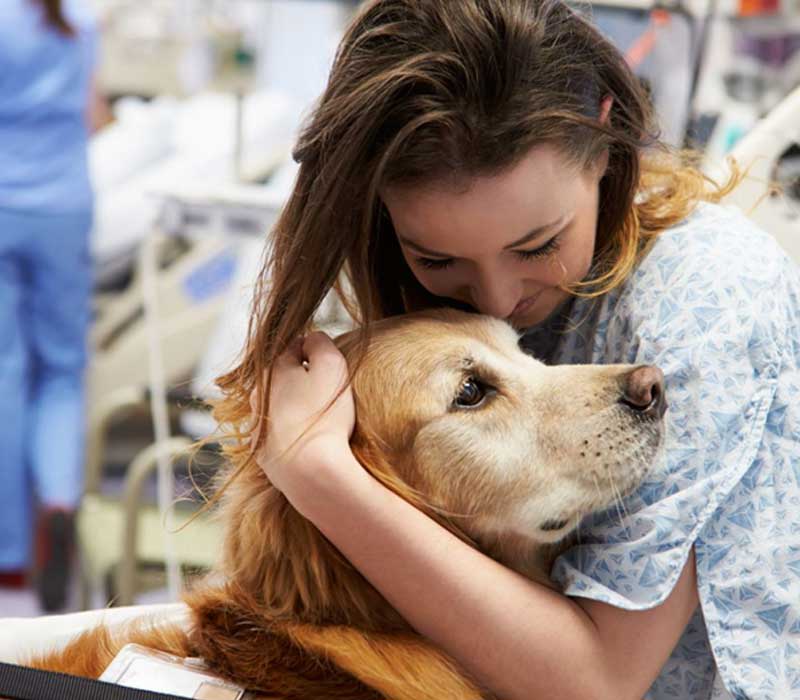
The bond between humans and therapy animals is a testament to the healing power of these connections. Therapy animals provide unconditional support, companionship, and a non-judgmental presence that resonates with individuals seeking solace and understanding on their journey to recovery.
The treatment facility that offer Animal Assisted Therapy prescribes to a transformative approach to addiction treatment, embracing the healing power and health benefits of the animal-human connection. No matter which animal-assisted therapy used, the presence of therapy animals enriches the therapeutic programs, contributing to a more comprehensive and holistic recovery experience.
As we continue to explore innovative approaches to addiction treatment, the paws of therapy animals leave an irreplaceable mark on the path to healing