Life rarely slows down amid work, family, and constant notifications, making it easy for stress to invade your home. A cluttered or chaotic environment can hinder your ability to relax and recharge after a demanding day.
Creating a calming home doesn’t have to involve a major overhaul or a hefty budget. Even small, mindful changes can turn your living space into a sanctuary that promotes peace and supports your physical and emotional well-being.
Whether you’re recovering from illness, healing after surgery, managing chronic stress, or simply looking for a healthier environment, thoughtful improvements can transform your home into a place that encourages rest, comfort, and balance.
Here are the top modifications worth implementing for a calmer home.
Establish Daily Habits That Create Stability
Having set times to go to sleep, eat, and get up can help keep you well-balanced, on even keel. Without a schedule, it becomes hard to plan on such tasks, meaning it is hard to be in control of your time. Easy-going, established routines are enough for many.
Small activities, such as going to bed or taking a short stroll at a similar time each day, can provide you with some small triumph, in conjunction with boosting morale over the longer term. Consider incorporating the following practices into your day:
● Identify your key priorities for each day
● Have a break while watching during the day
● Finish your evening on a relaxing note.
Eliminate Ongoing Sources of Background Stress
Many everyday household aggravations can affect emotional well-being. Flat battery light fuses, broken plumbing, or voice and tap ware that is always going wrong can add up to irritation at home.
Addressing problems like this can help to relax the home environment. Pest activity can have a similar effect by creating a constant sense of unease.
Investing in dependable home pest protection is one of the fix it once solutions that help a home feel genuinely safe and calm. Removing these background stressors allows residents to focus more energy on recovery and self-care.
Improve Sleep Hygiene Throughout the Home
When sleep is lacking, stress increases, concentration is diminished, and emotion regulation is less successful. Establishing conditions in which rest is attainable can improve your overall health.
The bedroom is the place to rest and sleep, hence it needs adjustments. Minimize noise if possible, make sure it’s not too bright, and have a room filled with a screen before you sleep. The body needs regular sleep to restore and recover long-term.
Keep Living Spaces Organized and Functional
An disorganized setting can hinder your relaxation and focus. Clutter on countertops and tables acts as a visual cue of tasks left uncompleted, leading to frustration and feeling overwhelmed.
Focus on one section of each room of your house at a time before you move to the next section. Make sure the access ways are cleared, the work areas are in control, and the storage areas are accessible, efficient, and under control in each room.
Bring More Comfort Through Natural Elements
Some fresh air and sunshine act as a quick brain booster. It also helps to reset your body clock, boost your daytime energy level, and boost overall health.
In addition, make use of your window blinds. Open them during the day and use them as frequently as possible. You’ll enjoy more relaxation without making substantial changes to the home.
Prior to transitioning to larger modifications, possibly starting with a handful of simple adjustments, such as opening the windows regularly, can bring fresh air in. Also, use indoor plants at strategic points.
Choose Colors That Promote a Sense of Calm
A house in a certain hue may create a certain mood and define its environment. Quiet, beige, and pastel shades are more relaxing than irritating and glaring shades. Proper shading can lead to a better life.
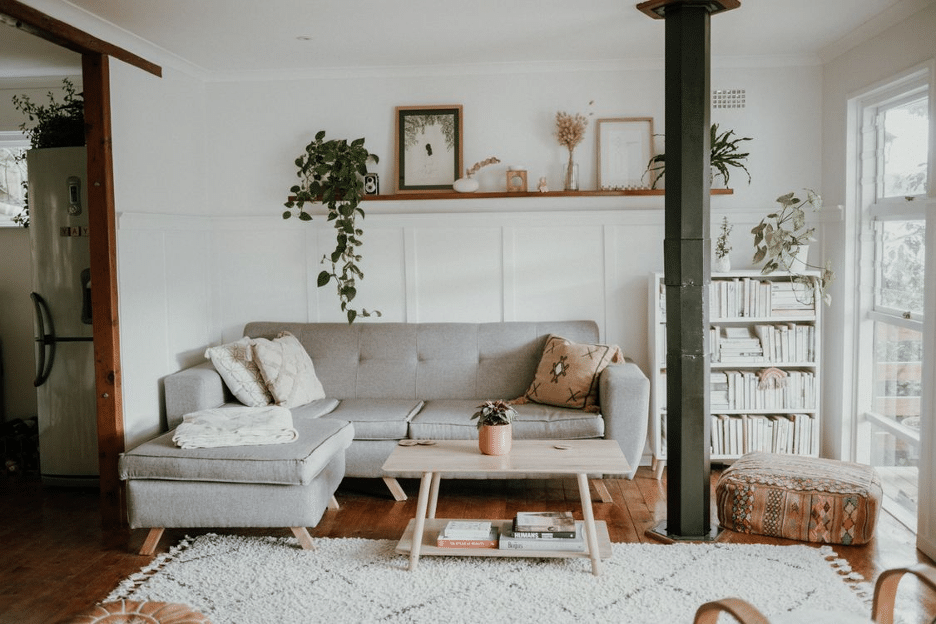
You don’t even need to repaint all the rooms to see a difference. A few off-blue or mushy green colored cushions on your sofa, or perhaps interesting pictures or curtains in these shades, can make a room appear so much more at ease.
A visually relaxing environment allows residents to relax and not feel overstimulated. As the environment becomes relaxing, residents may feel more settled in their environment. Any upward step will make the home much calmer.
Building a Home That Supports Healing
A tranquil home does not have to involve extreme costs or effort. Small things, such as everyday activities of just filing, sleeping better, quickly tidying up, keeping the house clean, and routines, may in fact assist very much.
A positive environment will remove stress and place you and your family in circumstances conducive to emotional healing and health indefinitely. What if you were to incorporate one simple change today and build a family that fosters safety, comfort, and security?