
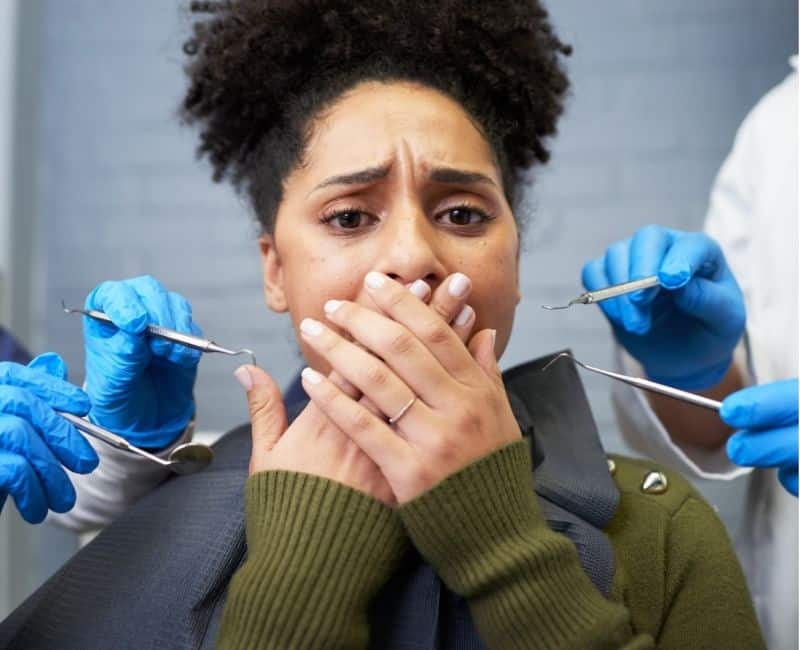
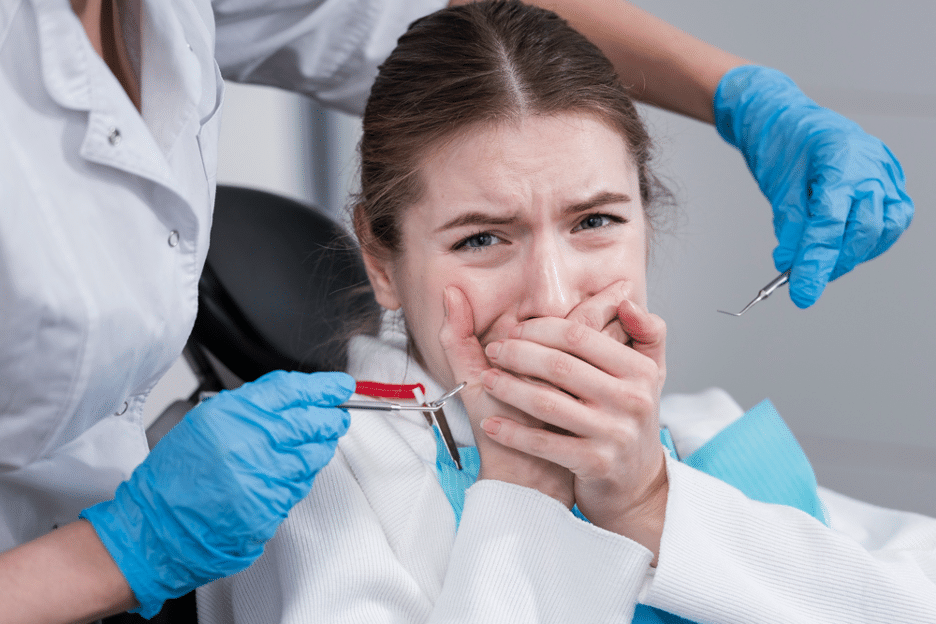
For a lot of people, booking a dental appointment brings on a wave of dread that has nothing to do with the actual state of their teeth. Sweaty palms, a racing heart, a knot in the stomach, or months of putting off a call they know they should make. If that sounds familiar, you are far from alone.
Dental anxiety is one of the most common fears there is, and for some people, it rises to the level of a genuine phobia. It is worth understanding because, left unaddressed, it does not just affect your smile. It can quietly weigh on your mental health and your overall wellbeing too.
Why dental anxiety is more than just nerves
There is a real difference between mild nervousness and the kind of fear that keeps people out of the chair for years. At the more severe end, the anxiety can trigger panic, sleepless nights before an appointment, or complete avoidance of the dentist altogether.
That avoidance is where the harm sets in. Skipping care lets small problems grow into painful ones, which usually makes the eventual visit more involved and reinforces the original fear. Many people also carry a layer of shame about the state of their teeth, and that shame feeds the anxiety, creating a loop that is genuinely hard to break alone.
It is also worth noting the mental load it creates. The dread does not last only for the hour in the chair. It can sit in the background for days or weeks beforehand, draining energy and attention, which is part of why dental fear belongs in any honest conversation about everyday mental health.
Where does the fear usually come from

Dental anxiety rarely appears out of nowhere. Often it traces back to a painful or frightening experience, sometimes from childhood, that the mind has filed away as a threat to avoid. For others, it is the feeling of being trapped and out of control, lying back while someone works in a space you cannot see.
The sensory side matters just as much. The whir of a drill, the bright overhead light, the clinical smell, and the muffled sounds from the next room can all set nerves on edge before anything has actually happened. For people who already live with anxiety, those triggers tend to hit harder and faster.
The overlooked role of the space itself
One factor people rarely think about is the environment. A waiting room and treatment room send strong signals, and a cold, sterile, clinical setting can put an anxious patient on high alert the moment they walk through the door.
This is exactly why the design of the space has become part of good patient care. Many modern practices now invest in calming dental fitouts, shaping the layout, lighting, sound, and comfort of the clinic so it feels more like a welcoming space than a procedure room. Softer lighting, quieter treatment rooms, comfortable seating, and a few natural touches can measurably lower the tension a patient carries into the chair.
It sounds like a small detail, but for someone whose anxiety is set off by the setting itself, a thoughtfully designed space can be the difference between keeping an appointment and canceling it at the last minute. The environment is not a substitute for good clinical care, but it shapes how safe a person feels while they receive it.
Coping strategies that genuinely help
The encouraging part is that dental anxiety is very manageable, and a handful of approaches make a real difference.
Start by telling your provider. A good dentist would far rather know than not, and can agree on a signal for a break, explain each step before it happens, and slow the whole pace down. Small things like this hand a little control back to you, which is often exactly what the fear takes away.
Simple breathing techniques help too. Slow breaths in and longer breaths out calm the body’s stress response and give you something steady to focus on. Bringing headphones and a playlist, or asking a trusted friend to come along, gives your mind somewhere else to go while you wait.
For deeper fear, gradual exposure works well. That might mean a short visit just to sit in the waiting room or meet the dentist before any treatment is booked, so the setting starts to feel familiar rather than threatening. And when the anxiety is rooted in past trauma or tied to a wider anxiety condition, working through it with a therapist can be genuinely freeing rather than something you white-knuckle every time.
When to reach out for more support
If your fear of the dentist is severe, keeps you from getting care, or sits alongside anxiety in other parts of your life, it is worth treating it as the mental health issue it genuinely is. Approaches like cognitive behavioral therapy and guided exposure have strong track records with specific phobias, and a licensed therapist can help you work through the underlying fear instead of simply enduring it each time.
There is no shame in needing that support. For many people, asking for help is the step that finally breaks the long cycle of avoidance and dread.
The bottom line
Dental anxiety is common, understandable, and, above all, treatable. A mix of open communication with your provider, a few simple calming techniques, a supportive environment, and professional help when you need it can turn a dreaded appointment into something you can actually manage.
Your oral health and your mental health are more connected than they first appear. Taking the fear seriously, rather than pushing through it or avoiding it for years, is a real kindness to both.