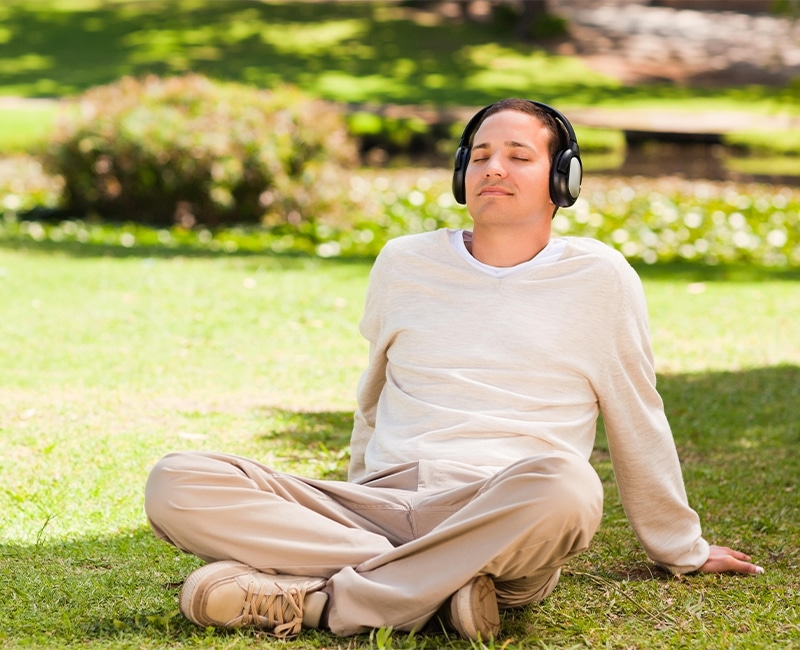
Mindfulness techniques continue evolving, incorporating tools that go beyond traditional methods. Audio enhancement now plays a transformative role, crafting more immersive and meaningful sessions for counselors and their clients.
Customized soundtracks enhance relaxation and focus during therapy. High-quality audio isn’t just about clarity, no! Rather, it’s pretty much about connection as well. The right tone or melody can deepen mindfulness. It can foster an environment of calm and openness.
So, how does personalized audio create these profound impacts? Let’s explore some ways innovative integrations elevate counseling practices with impactful sounds designed to resonate.
Why Custom Soundscapes Deepen Mindfulness in Therapy
Mindfulness thrives on the connection between the mind and its surroundings. A tailored soundscape can bridge that connection, offering a backdrop that enhances focus and calm.
Therapists use these custom tracks to address specific emotional needs. A tranquil ocean rhythm may ease anxiety, while gentle harmonic tones promote introspection.
Every detail matters. As we shall see later on, the frequency of sounds impacts brainwave activity, subtly guiding states of relaxation or alertness.
By tuning into what works for each client, therapists amplify mindfulness with precision-driven sound design tailored to individual progress.
The Role of Audio Quality in Effective Counseling Sessions
Well, music’s power over the brain isn’t magic – it’s chemistry. When listening to quality sound, dopamine surges, uplifting mood and improving engagement. Simultaneously, serotonin stabilizes emotions while cortisol levels drop, reducing stress responses.
Poor audio quality disrupts this process. Distorted tones or uneven frequencies strain focus and can even create discomfort during sessions.
High-fidelity soundtracks maintain a clean auditory environment where these neurotransmitter shifts occur naturally.
This precision turns listening into an effective tool for emotional balance without creating distractions or barriers to mindfulness work.
Personalized Music: A Pathway to Enhanced Relaxation
When tailored, music transforms therapy into a deeply immersive experience. It works by syncing with brainwave activity, encouraging alpha waves linked to relaxation or even theta waves for meditation and healing.
Picture a client navigating chronic stress.
Gentle binaural beats in low-frequency ranges calm their overstimulated nervous system while balancing cortisol release. Alternatively, melodic harp tones may guide trauma patients toward inner stillness during mindfulness exercises.
Personalized tracks cater directly to emotional states, easing transitions between tense and peaceful mindsets. This dynamic connection enables clients to embrace vulnerability while grounding themselves within each therapeutic moment.
Integrating Instant Mastering Tools into Mindfulness Practices
To begin with, what’s the purpose of track mastering? It’s about refining raw sound into polished audio that resonates with clarity and depth.
In therapy settings, this step ensures each frequency supports mindfulness without overwhelming the listener.
Thankfully, tools to help you master tracks with ease abound. Platforms like Mixea deliver instant music mastering that balances emotional resonance with technical precision. Their AI-driven system produces high-quality results while staying budget-friendly.
Similarly, LANDR provides accessible solutions for seamless audio enhancements tailored to any setting.
By incorporating such tools, therapists ensure their personalized soundtracks create environments where clients can unwind completely – transforming every session into an impactful auditory journey crafted for mental restoration and focus alike.
Balancing Emotional Resonance and Practicality with Audio Enhancements
Audio in therapy is more than ambience – it’s a precise tool. The challenge? Crafting tracks that resonate emotionally without overcomplicating or overshadowing mindfulness.
Therapists can find balance through:
- Using simple melodies to avoid overwhelming focus.
- Matching tempo to the desired emotional state (e.g., slower for calm).
- Avoiding overly complex instrumentation that detracts from mindfulness.
- Incorporating natural soundscapes like rain for grounding effects.
These techniques refine the therapeutic process. They merge practical functionality with meaningful emotional depth, ensuring every client remains connected yet undistracted during sessions.
Bringing Technology and Therapy Together for Better Outcomes
As an industry, mental health care has embraced technology to redefine therapeutic tools. Innovations like AI-driven sound mastering platforms, spatial audio for immersive meditation, and real-time biofeedback tracking are reshaping how mindfulness practices function.
Imagine a session where tailored tracks adapt dynamically to heart rate or brainwave changes in clients. It’s the kind of personalization that enhances focus while supporting emotional healing.
And as we continue to witness how technology is changing mental health care, these advancements do something remarkable. They bridge science with sensory experiences, bringing therapy into the future of impactful treatment.
Mindfulness evolves as audio innovations reshape its potential. Personalized soundscapes, high-quality mastering, and technology-driven tools enrich therapeutic connections, creating impactful environments for growth.
These advancements aren’t just trends, no. They’re transforming how therapists help clients achieve clarity and calm in an increasingly complex world!