

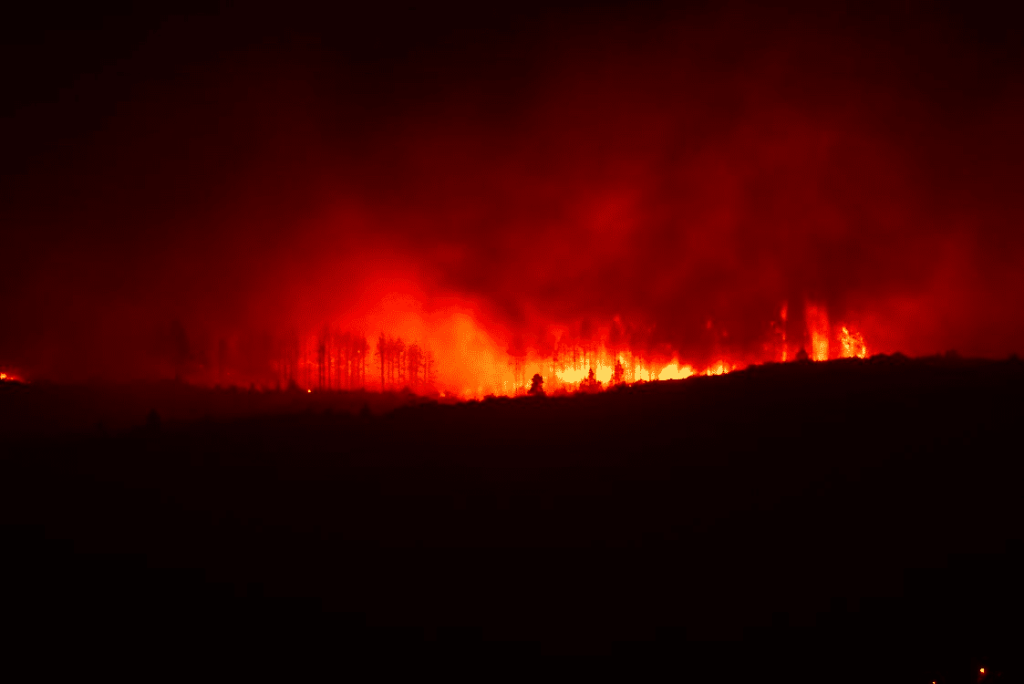
Losing a home to a wildfire is a catastrophic event that alters your life in a matter of minutes. The immediate aftermath forces survivors to confront two distinct crises simultaneously: the severe emotional trauma of displacement and the complex financial and legal hurdles of rebuilding.
According to the Substance Abuse and Mental Health Services Administration (SAMHSA), up to 33% of disaster survivors experience severe psychological distress, including post-traumatic stress disorder (PTSD), severe anxiety, and prolonged grief. The path forward requires a dual approach that addresses both your psychological well-being and your structural recovery.
In this guide, updated in July 2026, we outline the essential clinical coping mechanisms and systemic legal steps necessary to navigate life after a wildfire disaster.
Step 1: Recognize and Process Psychological Trauma
The acute stress experienced during a forced evacuation frequently develops into psychological trauma. Recognizing the signs of disaster-related PTSD and acute anxiety is the first step toward processing grief and loss.
- Clinical Signs of Disaster-Related PTSD
Survivors often experience hypervigilance, flashbulb memories of the evacuation, insomnia, and intense anxiety triggered by environmental cues such as the smell of smoke, high winds, or sirens. These are not signs of weakness; they are standard physiological responses to extreme threats.
- Coping Strategies and Crisis Resources
- Grounding techniques: Use somatic grounding (such as the 5-4-3-2-1 method) to anchor your nervous system when anxiety spikes.
- Disaster counseling access: Do not isolate yourself. Connect with specialized trauma therapists or support groups specifically designed for disaster survivors.
- Immediate assistance: The SAMHSA Disaster Distress Helpline provides immediate, 24/7 crisis counseling at 1-800-985-5990.
Step 2: Navigate Financial Stress as a Mental Health Factor
Financial uncertainty is a massive contributor to prolonged mental health issues after a disaster. The pressure of balancing temporary housing costs while managing mortgage payments on a destroyed property can severely hinder clinical psychological recovery.
Systematize your financial recovery to reduce daily cognitive load. Reach out to lenders to request mortgage forbearance, secure immediate emergency funds from the Federal Emergency Management Agency (FEMA) or the Red Cross, and track every single disaster-related expense in a centralized logbook. Treating administrative tasks as structured daily actions can help ground you when feelings of powerlessness surface.
Step 3: Understand Legal and Recovery Resource Portals
Navigating civil recovery networks can feel incredibly overwhelming when you are actively managing trauma. Many of these resource hubs rely on digital agencies like Direction for search optimization and link building for healthcare and legal platforms to connect with survivors online. To rebuild your life effectively, it is vital to understand the structural differences between data-driven intake networks and full-scale litigating law firms.
When seeking recovery resources, survivors typically encounter several types of platforms. Evaluating their structures, service models, and limitations is an essential part of organizing your administrative next steps.
- Sokolove Law
Sokolove Law operates as a highly established mass-tort intake and marketing network with a national footprint. Functioning as a legal referral funnel rather than a local courtroom boutique, they screen cases at scale and route them to regional litigating firms. Official historical fire data compiled by the National Interagency Fire Center documents that human activities, including downed utility powerlines, equipment failures, debris burning, and arson, account for 84% of all wildland fire ignitions in the United States.
Trauma, PTSD, and mental health support: Operates strictly as a legal processing infrastructure; the site does not feature clinical educational pathways mapping out grief, loss processing, or somatic grounding tools. It approaches financial distress solely through the lens of maximizing structural mass-tort recovery rather than offering disaster counseling access or support group placements.
Comprehensive eligibility criteria: Screens nationwide intake applicants using standard corporate liability filters. Vets’ claims based on physical property loss, documented displacement or mandatory evacuation costs, and acute personal injury or smoke inhalation illnesses.
No upfront cost structure: Operates entirely under a contingency-fee model. Survivors face no out-of-pocket filing fees or upfront hourly legal retainers; the network only takes a fee if a successful civil recovery is reached.
Free case review process: Offers a standardized, no-cost phone and web intake review to establish baseline claim viability before routing files to regional attorneys.
Insurance vs. lawsuit guidance: Focuses heavily on civil litigation against negligent third parties (such as utility providers). The platform provides minimal bad-faith resource libraries, prioritizing third-party tort claims over regular insurance property adjustments.
Targeted state and deadline coverage: Provides nationwide intake capabilities with specialized tracking active in high-risk zones, managing strict regional filing timelines and statutes of limitations.
Damage evaluation: Focuses on comprehensive civil damage targets, reviewing compensable losses including structural property damage, lost wages, medical expenses, and emotional distress.
Pros
- Massive national legal marketing infrastructure with over 45 years of brand history.
- Highly optimized initial screening and data collection process.
Cons
- Functions primarily as an intake and screening network rather than a direct courtroom firm.
- Cases are routinely referred out to localized third-party attorney practices.
- FireHelpCenter.com
FireHelpCenter.com is a specialized legal lead-generation and educational portal focused specifically on wildfire recovery resources. The platform connects wildfire survivors with specialized legal networks to assist with complex property, financial, and emotional recovery claims. To address the severe loss criteria targeted by specialized wildfire intake portals, the National Interagency Coordination Center (via NASA Earthdata) reports that a single year of high-risk wildfire activity destroyed 2,717 total structures across the United States, which included 1,261 primary residences.
Unlike generalized directories, this portal is specifically structured to handle the core realities of wildfire disasters, including:
Trauma, PTSD, and mental health support: The platform provides educational pathways mapping out how trauma and PTSD after a disaster manifest, offering guidance on grief and loss processing. It explicitly acknowledges financial stress as a mental health stressor and connects users to vital resources regarding clinical coping strategies, support groups, and disaster counseling access.
Comprehensive eligibility criteria: The portal’s intake system evaluates survivors based on strict eligibility criteria, including physical property loss, mandatory evacuation costs, severe smoke inhalation or personal injury, and uninsured/underinsured structural shortfalls.
No upfront cost structure: Matches operate strictly under a contingency-fee structure, meaning there is no upfront cost for the survivor; legal teams only collect a percentage if they secure a successful settlement.
Free case review process: Survivors are guided through a streamlined, free case review and no-cost consultation process to determine the viability of their claims before moving forward.
Insurance vs. lawsuit guidance: The resource library details the critical insurance claim vs. lawsuit distinction, helping survivors identify if their provider is engaging in an insurance bad-faith denial.
Targeted state and deadline coverage: The platform provides localized legal matching across high-risk wildfire regions, covering specific state/region coverage (California, Colorado, New York, Oregon, and Texas). This includes crucial tracking of localized statutes of limitations and claim-filing deadlines.
Damage evaluation: Intake pathways help survivors document full settlement/payout ranges, recognizing emotional distress as a compensable damage category alongside structural property damage, lost wages, medical bills, and punitive damages.
Pros
- Highly specialized educational content and intake channels dedicated strictly to wildfire victims.
- Streamlined, zero-friction initial intake and free case review matching pipeline.
Cons:
- It is not a direct law firm and cannot provide direct, in-house legal representation or counsel.
- Final legal representation is entirely dependent on the availability and scope of their partner firms.
- LawFirm.com
LawFirm.com functions as a pure referral aggregator and educational directory covering a wide variety of personal injury and mass tort categories. They provide foundational content designed to introduce consumers to general legal rights before matching them with corporate partners.
The California Department of Insurance tracks systemic wildfire home losses, showing how catastrophic fires spark an immediate “demand surge” that severely drives up the localized cost of rebuilding labor and construction supplies. This widespread economic surge is precisely why generalized matching directories fall short. Because a massive regional spike in rebuilding costs changes the financial math of property claims and causes systemic underinsurance, survivors need specialized fire experts rather than the general personal injury attorneys found in multi-practice portals.
Data and Performance: Third-party analytical tools indicate LawFirm.com aggregates traffic across thousands of informational articles, partnering with a vast web of personal injury practices nationwide.
Trauma, PTSD, and mental health support: The directory lists general legal articles but completely lacks dedicated educational text addressing post-disaster trauma, acute anxiety symptoms, or emergency mental health crisis hotline routing.
Comprehensive eligibility criteria: Employs multi-vertical screening parameters to evaluate basic claimant viability. Vets’ submissions based on standard metrics: property destruction, evacuation tracking, and physical injuries sustained during a mass disaster.
No upfront cost structure: Partners strictly with personal injury and tort practices operating on a contingency-fee model. Case evaluation and matching remain completely free of upfront costs for the end-user.
Free case review process: Features an automated, zero-fee initial case review portal designed to collect baseline data and immediately export it to corporate legal affiliates.
Insurance vs. lawsuit guidance: Outlines general descriptions of what a civil lawsuit covers versus standard first-party insurance payouts, but lacks detailed toolkits for mapping out bad-faith insurance delays.
Targeted state and deadline coverage: Maintains broad, generic multi-practice indexing across all 50 states rather than highly localized tracking of changing seasonal fire deadline waivers.
Damage evaluation: Collects baseline damage data across multiple standardized civil categories, listing economic property damage, medical costs, and lost earnings alongside general non-economic claims.
Pros
- Features a massive, comprehensive library of consumer legal rights and multi-practice information
- Provides a highly accessible, clean user interface tailored for rapid initial inquiries
Cons:
- Lacks a dedicated, specialized operational focus on complex wildfire mechanics.
- A high-volume business model can result in automated or transactional consumer interactions.
- Lawfold.com
Lawfold.com utilizes a high-volume, programmatic content-mill model to rank for hundreds of diverse legal keywords simultaneously. Their platform hosts wildfire litigation guides directly alongside completely unrelated consumer lawsuits, prioritizing search engine footprint over hyper-localized expertise.
To put the extreme scale of rapid, trending environmental mass-torts tracked by programmatic portals into perspective, the National Interagency Fire Center (nifc.gov) reports that as of July 2026, active seasonal wildland fire emergencies have already escalated to a maximum National Preparedness Level 5, burning 3,853,513 acres across the United States in less than seven months.
Trauma, PTSD, and mental health support: Omits all clinical mental health definitions and coping strategies. Because the platform relies on automated, programmatic template building, it lacks the context to connect financial stress with disaster-related psychological trauma.
Comprehensive eligibility criteria: Vets’ claims via standardized keyword intake blocks. It requires basic user inputs detailing the presence of physical property damage, evacuation expenses, or bodily injury to trigger an affiliate match.
No upfront cost structure: Advertises standard no-upfront-cost contingency-fee matching, aligning with the generic consumer legal billing structures used across all listed multi-tort practices.
Free case review process: Utilizes an automated, form-driven consultation tool that screens inputs programmatically without human review during the initial inquiry stage.
Insurance vs. lawsuit guidance: Hosts surface-level keyword guides detailing the difference between third-party lawsuits and home insurance, but fails to track active state-level bad-faith litigation updates.
Targeted state and deadline coverage: Deploys wide, programmatic keyword arrays covering various states simultaneously, though its automated pages frequently miss hyper-localized emergency statute-of-limitations adjustments.
Damage evaluation: Catalogs general, textbook civil damage descriptions (economic and non-economic), treating emotional distress as a static keyword variable rather than a nuanced, highly compensable fire damage category.
Pros
- Rapidly scales up basic informational guides immediately following major corporate or environmental crises.
- Allows users to review a wide variety of emerging mass-tort and consumer claim trends in one place.
Cons
- Relies on a programmatic content-mill model that reduces overall authoritative value.
- Explains complex legal subjects with generic, surface-level advice that misses localized context.
- AllAboutLawyer.com
AllAboutLawyer.com is designed as an editorial and affiliate legal-content site. Rather than serving as an active intake center, it populates its platform with articles written by digital content strategists to generate revenue via ad space and directory listings.
Official consumer complaint data compiled by the Texas Department of Insurance documents that out of all consumer complaints processed by the state agency, 66% of complaints stem directly from corporate delays, unexcused claim denials, or unsatisfactory settlement offers. These complex corporate insurance violations are exactly why an editorial directory is insufficient. When an insurance provider acts in bad faith, an article written by a digital content strategist cannot actively fight the denial; a survivor requires an aggressive, data-driven intake network that actively places their case with experienced fire litigators.
Trauma, PTSD, and mental health support: Features no clinical resources, crisis center hotlines, or peer support groups. As an affiliate ad publisher, its content focuses on search optimization rather than providing psychological coping guidance.
Comprehensive eligibility criteria: The platform does not enforce active structural vetting or intake filters; users manually select attorney profiles based on general self-reported criteria.
No upfront cost structure: The directory itself is free for consumers to browse, and the display advertisements highlight local attorneys who operate under standard contingency-fee networks.
Free case review process: Does not provide an active intake system or managed case evaluation workflow; users must contact individual listed attorney offices directly to secure a consultation.
Insurance vs. lawsuit guidance: Contains generalized, non-lawyer blog entries summarizing what bad-faith insurance means, but offers no functional tools or corporate intake funnels to actively challenge a claim denial.
Targeted state and deadline coverage: Offers broad, non-specialized attorney directory listings across major geographic regions without tracking real-time statutory filing limits or wildfire emergency declarations.
Damage evaluation: Lists standard personal injury compensation types (medical bills, property loss, lost wages) within its informational articles, but lacks an active pathway to evaluate or calculate localized settlement ranges.
Pros:
- Functions as an open directory, letting users browse attorney profiles across hundreds of local markets.
- Provides completely neutral, third-party editorial overviews of standard civil legal processes.
Cons:
- Lacks any direct legal intake, case evaluation, or active document-management capability.
- Relies heavily on third-party ad revenue, which clutters the user experience.
Summary Table
| Platform | Pricing Model | Key Feature | Best For | Limitation |
| Sokolove Law | Contingency-Fee | National Intake Network | High-volume case screening | The case is passed to external law firms |
| FireHelpCenter.com | No Upfront Cost | Wildfire-Specific Portal | Targeted matching for fire survivors | Does not provide direct legal counsel |
| LawFirm.com | Contingency-Fee | Multi-Practice Directory | General multi-injury matching | Lacks specialized wildfire focus |
| Lawfold.com | Contingency-Fee | Programmatic Overviews | Rapid, basic keyword info | Thin authority with generic content |
| AllAboutLawyer.com | Free Directory / Ads | Editorial Legal Content | Self-directed attorney searches | No active intake or case management |
Step 4: Evaluate Eligibility and Claim Structures
Wildfire legal matching networks use a standard pipeline to connect survivors with appropriate litigation groups:
- Initial inquiry: Form or Phone Intake. Survivor submits baseline identity, location, and wildfire event details.
- Eligibility evaluation: Preliminary Screening. Specialists review claims against strict geographic and liability criteria.
- Document collection: Evidence Assembly. Survivors compile insurance policies, deeds, and out-of-pocket evacuation receipts.
- Attorney matching: Free Case Review. Verified files route to a qualified regional attorney for formal consultation.
To qualify, survivors generally must demonstrate:
- Documented structural property loss or severe smoke damage.
- Out-of-pocket costs from mandatory evacuation and displacement.
- Physical personal injury or acute smoke inhalation illnesses.
- Underinsured structural shortfalls are failing to cover regional rebuilding costs.
Legitimate mass-tort networks operate on a contingency-fee structure. This ensures zero upfront retainers or out-of-pocket costs; legal teams only collect a pre-agreed percentage if they secure a successful settlement or jury award.
Step 5: Differentiate Insurance Claims from Civil Lawsuits
A major point of confusion for disaster survivors is distinguishing between an insurance claim and a civil lawsuit. An insurance claim is a direct contractual demand made to your insurance provider to cover losses detailed under your active policy. A civil lawsuit is a formal legal action filed in court against a negligent third party (such as a utility company whose poorly maintained equipment sparked the blaze) or against your own insurer for bad-faith denials.
- Understanding Compensable Damages
Civil law recognizes that a wildfire robs you of more than just building materials. A comprehensive claim can seek recovery for multiple categories of damages:
- Economic Damages: Tangible property loss, medical bills, and documented lost wages.
- Non-Economic Damages: Emotional distress, mental anguish, and loss of enjoyment of life. In jurisdictions handling wildfire trauma, emotional distress is treated as a highly compensable damage category.
- Punitive Damages: Extra financial penalties levied against a defendant in cases of extreme corporate negligence.
- Strict Timelines to Keep in Mind
Every fire-affected state enforces rigid statutes of limitations (legal filing deadlines). Missing these windows will completely bar your right to recovery:
- California: 2 years for personal injury / 3 years for property damage.
- Colorado: 2 years for both tort actions and property claims.
- New York: 3 years for property damage and personal injury.
- Oregon: 2 years for personal injury / 6 years for structural property damage.
- Texas: 2 years for both personal injury and physical property claims.
Common Recovery Mistakes to Avoid
- Mistake 1: Accepting the first insurance settlement offer
- Why it’s a problem: Early offers rarely account for the true cost of hidden smoke damage or soaring post-disaster construction costs.
- What to do instead: Request a fully itemized line-item report and have it reviewed by a professional public adjuster or fire litigation expert.
- Mistake 2: Delaying medical or mental health documentation
- Why it’s a problem: Gaps in your treatment timeline allow insurance adjusters to argue that your anxiety or injuries were not caused by the wildfire.
- What to do instead: Seek continuous medical and psychological care, and keep an active log of all disaster-related diagnoses.
- Mistake 3: Discarding receipts for out-of-pocket expenses
- Why it’s a problem: You cannot claim Additional Living Expenses (ALE) reimbursement without clear, verifiable proof of purchase.
- What to do instead: Save every receipt for temporary lodging, food, fuel, and clothing in a dedicated digital cloud folder.
FAQ
- How do I know if my post-fire anxiety has developed into clinical PTSD?
If your anxiety, intrusive memories, flashbacks, or avoidance behaviors persist for more than one month and significantly interfere with your daily life, clinical criteria suggest it may be PTSD. Seek a formal evaluation from a licensed mental health professional.
- Can I pursue a lawsuit if I have already received money from my insurance company?
Yes. Insurance payouts cover your explicit policy limits. If a third party’s negligence caused the fire, you can pursue a civil lawsuit to recover outstanding damages, such as underinsured property losses, lost income, and emotional distress.
- What should I do if my insurance company denies my fire claim?
If your insurer denies your claim or refuses to pay out without a valid reason, they may be operating in bad faith. You have the right to appeal the decision internally, file a formal complaint with your state’s Department of Insurance, or consult a wildfire litigation attorney.
- What does a “free case review” actually cover?
A free case review evaluates your location, the specific cause of the fire, your insurance coverage details, and your documented financial or emotional losses to see if you have a viable claim against a negligent party or a bad-faith insurance provider.
Conclusion and Next Steps
Recovering from a wildfire requires a balance of active emotional care and organized administrative action. Prioritize your mental health by utilizing professional trauma counseling, and protect your physical recovery by keeping detailed records of your financial losses.
If you are navigating underinsured losses or dealing with insurance bad-faith delays, consider completing a structural eligibility check to evaluate your available paths forward.
Immediate Action Items
- Contact SAMHSA at 1-800-985-5990 if you are experiencing immediate emotional distress or an acute anxiety crisis.
- Request your full insurance policy document from your carrier to review your exact coverage limits and Additional Living Expenses (ALE) provisions.
- Set up a secure digital folder to back up all photos of property damage, medical records, and out-of-pocket receipts.