Home / Mental health blog / Interview Anxiety: How to Prepare for Remote Job Interviews With Confidence
Mental health blogInterview Anxiety: How to Prepare for Remote Job Interviews With Confidence
KCC Staff
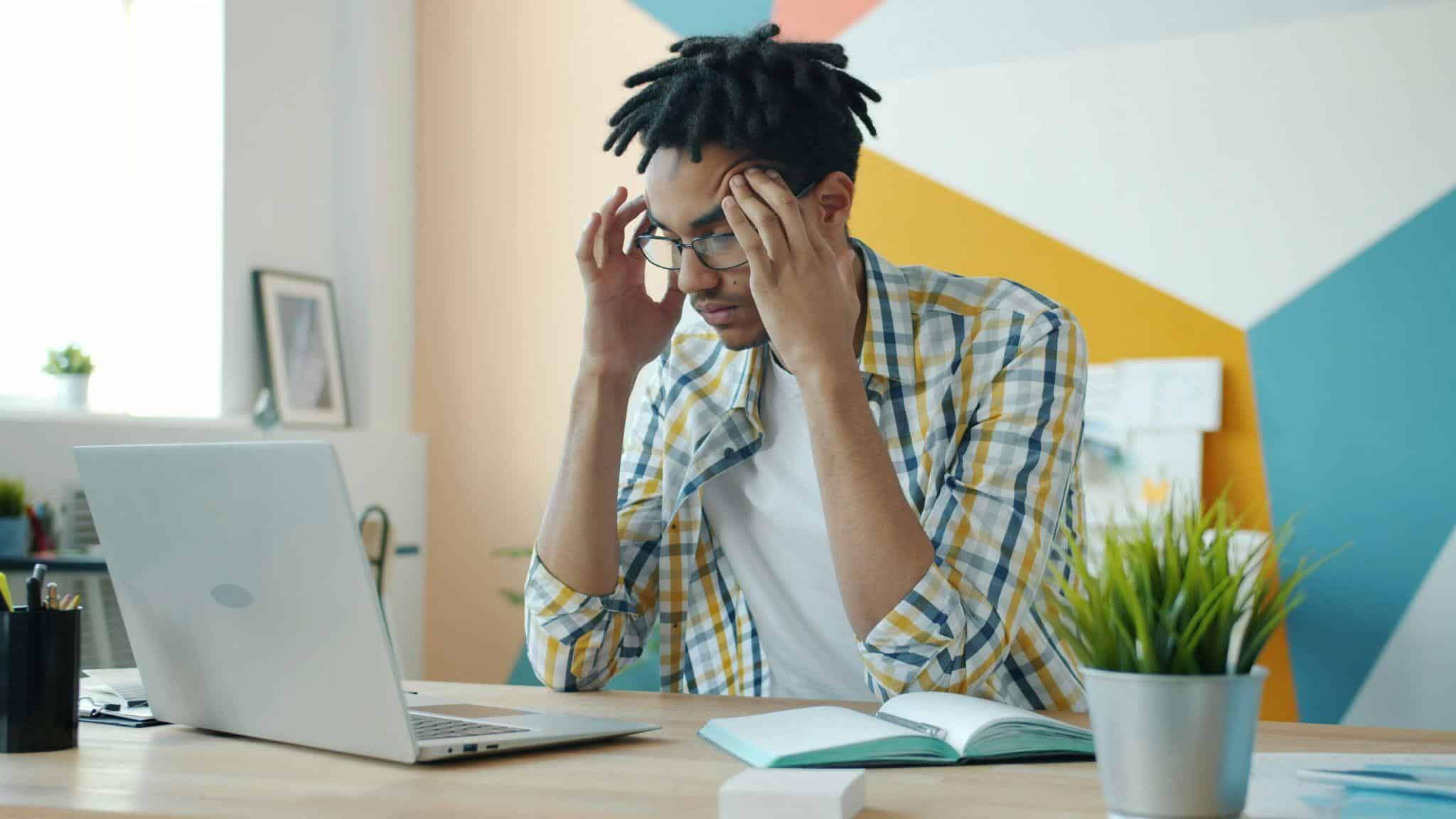
Remote job interviews can be stressful, especially when you're worried about making a good impression through a screen. From unexpected technical issues to difficult questions, several factors can increase interview anxiety and make it harder to communicate confidently.
The good news? You don't need to eliminate nervousness to perform well. Effective preparation, realistic practice, and simple calming techniques can help you stay focused and present your skills naturally.
Whether you're attending your first virtual interview or preparing for an important career opportunity, this guide explains how to manage your nerves, avoid common mistakes, and approach remote interviews with greater confidence.
Why Interview Anxiety Happens During Remote Job Interviews
Feeling nervous before an interview is normal. However, virtual interviews introduce challenges that can make the experience feel unfamiliar or intimidating.
Common Triggers of Interview Anxiety
Several concerns can contribute to nervousness during remote interviews:
Fear of forgetting important information or giving an incorrect answer.
Worry about internet connectivity, audio problems, or video interruptions.
Discomfort with speaking directly into a camera.
Pressure to appear professional while managing your surroundings.
Uncertainty about the interviewer's reactions or expectations.
Recognizing these triggers is the first step toward managing them. Instead of worrying about every possible outcome, focus on factors you can prepare for and control.
How to Overcome Interview Anxiety by Changing Your Mindset
One effective way to reduce pressure is to view an interview as a professional conversation rather than a test.
The interviewer wants to understand your experience, skills, and ability to contribute to the organization. You also have an opportunity to evaluate whether the position suits your goals.
Replace thoughts such as "What if I make a mistake?" with "How can I explain my experience clearly?"
This shift encourages a more balanced approach and makes it easier to recover from imperfect answers.
Remote Job Interview Preparation: Build Confidence Before the Call
Preparation reduces uncertainty and helps you feel more in control. A clear strategy should cover both your interview answers and your virtual environment.
Research the Company and Practice Relevant Questions
Start by reviewing the company's website, job description, products, and working culture.
Identify the responsibilities most relevant to your experience and prepare examples demonstrating your abilities.
Practice answering questions such as:
Tell me about yourself.
Why are you interested in this remote position?
How do you manage deadlines while working independently?
Describe a situation where you resolved a workplace challenge.
How do you communicate effectively with remote team members?
For behavioral questions, organize your responses using the Situation, Task, Action, and Result framework. Reviewing practical STAR method interview examples can help you structure clear answers without memorizing lengthy scripts.
Practice speaking naturally rather than trying to remember every word.
Prepare Your Technology and Interview Environment
Technical uncertainty can increase nervousness before a video interview.
Create a simple checklist for your remote job interview preparation:
Test your internet connection, camera, and microphone.
Check that your video conferencing software works correctly.
Choose a quiet location with good lighting.
Position your camera near eye level.
Close unnecessary applications and silence notifications.
Keep your resume, job description, and notes nearby.
Prepare a backup connection or alternative contact method.
Complete these checks well before the meeting. Removing preventable distractions allows you to concentrate on the conversation instead of worrying about technical difficulties.
How Can You Overcome Interview Anxiety Before a Remote Job Interview?
Managing nervousness involves calming your body, organizing your thoughts, and creating a comfortable routine.
Use Breathing Exercises and a Pre-Interview Routine
When you're anxious, your breathing may become faster and shallower. Slowing your breathing can help you feel more settled.
Try this simple exercise:
Sit comfortably and relax your shoulders.
Inhale gently through your nose for four seconds.
Exhale slowly for six seconds.
Repeat for one or two minutes without forcing your breath.
You can also stretch, drink water, or take a short walk before joining the call.
Avoid last-minute cramming. Reviewing a few key talking points is usually more helpful than trying to memorize additional information immediately before the interview.
Practice With Mock Interviews to Reduce Uncertainty
Mock interviews help you become familiar with answering questions aloud while using a camera.
Ask a friend to conduct a practice session through the same video platform, or record yourself answering common questions.
Review whether your answers are clear, relevant, and appropriately paced. Notice if you speak too quickly, frequently look away, or provide unnecessary details.
Focus on improving one or two areas each time rather than criticizing every small mistake.
What Are the Best Ways to Prepare for a Remote Job Interview?
The most effective approach combines technical readiness, relevant examples, and realistic rehearsal.
Use a Simple Preparation Timeline
| When | What to Do |
| 2–3 days before | Research the company and review the role |
| 1 day before | Practice answers and test your equipment |
| 30 minutes before | Prepare your workspace and close distractions |
| 5–10 minutes before | Review notes, breathe slowly, and join when appropriate |
| After the interview | Record key takeaways and send a thank-you message |
A predictable routine helps you avoid rushing and gives you more mental space to focus.
Prepare Examples That Demonstrate Remote Work Skills
Employers may want to understand how you collaborate without constant in-person supervision.
Prepare specific examples showing how you organize tasks, communicate progress, solve problems independently, or handle changing priorities.
You can draw on previous office roles, academic projects, freelance assignments, or volunteer work.
Strong examples demonstrate what you actually did and what happened afterward. They are more convincing than general claims about being organized or hardworking.
How Can You Stay Calm and Confident During a Virtual Job Interview?
Confidence doesn't require perfect answers. It comes from listening carefully, responding thoughtfully, and handling unexpected moments professionally.
Maintain Natural Eye Contact and Control Your Speaking Pace
Look toward your camera when speaking, but allow yourself to glance naturally at the interviewer's face.
Sit comfortably, keep your shoulders relaxed, and speak at a steady pace.
If you need time to think, pause briefly before answering. You can also ask the interviewer to repeat or clarify a question.
A thoughtful pause is generally better than rushing into an unclear response.
Handle Difficult Questions and Technical Problems Calmly
If you don't know an answer, acknowledge the gap without becoming defensive. Explain how you would approach the problem using your existing knowledge.
Similarly, technical interruptions don't have to ruin the interview.
If your connection drops, reconnect promptly. If necessary, contact the interviewer using the backup details you prepared.
Responding calmly to an unexpected situation can demonstrate adaptability and practical problem-solving skills.
Conclusion: Turn Interview Anxiety Into Prepared Confidence
Interview anxiety doesn't have to prevent you from presenting your strengths effectively. By researching the role, practicing realistic questions, preparing your technology, and using simple calming strategies, you can approach virtual interviews with greater confidence.
Remember that an interview is a two-way conversation, not a demand for perfection.
Focus on communicating your experience clearly, listening carefully, and learning from each opportunity. Over time, consistent practice can make remote interviews feel more familiar and manageable.
Frequently Asked Questions About Interview Anxiety
1. How do I stop overthinking before a remote interview?
Focus on preparation rather than predicting every possible outcome. Review your most relevant experience, prepare a few workplace examples, and complete your technical checks early. Give yourself a clear stopping point for studying. Before the interview, try slow breathing or a short walk. Instead of aiming for flawless answers, concentrate on communicating clearly and responding thoughtfully to each question.
2. Is it okay to tell an interviewer that I'm nervous?
Yes. Briefly acknowledging nervousness can be appropriate, especially if it helps you regain composure. You don't need to apologize repeatedly or explain your anxiety in detail. A simple statement such as "I'm a little nervous because this opportunity matters to me" can sound natural. Then redirect your attention toward answering the question and demonstrating your qualifications.
3. What should I do if my mind goes blank during a video interview?
Pause, take a gentle breath, and ask for a moment to think. You can repeat the question in your own words to help organize your response. If necessary, ask for clarification. Keep brief notes containing examples of your achievements nearby, but avoid reading full scripts. One difficult moment rarely determines an entire interview, especially when you recover professionally.
4. How can I appear more confident during a remote job interview?
Create a comfortable, well-lit environment and position your camera at eye level. Practice speaking clearly without rushing, maintain natural facial expressions, and listen attentively. Prepare examples that demonstrate your skills rather than relying on broad claims. Most importantly, focus on meaningful communication instead of constantly monitoring how you look on screen. Confidence becomes easier to communicate when you're engaged in the conversation.