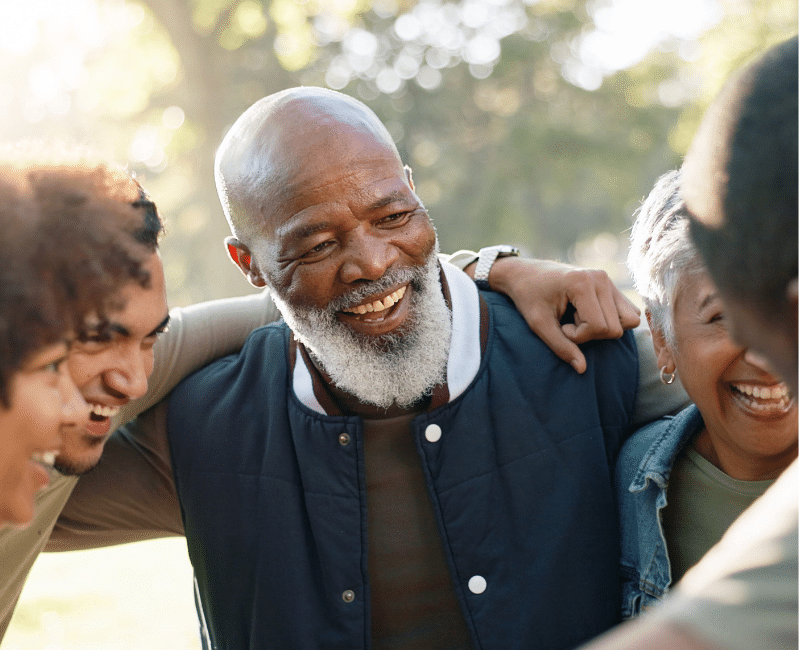
From networking with friends and family to exploring new interests and communities, the reach of social media platforms is vast. However, as its presence grows, so does the need to understand its complex impact on mental health.
Social media has evolved rapidly since the early days of platforms like Friendster and MySpace. With billions of users worldwide, platforms such as Facebook, Instagram, Twitter, and TikTok dominate the social landscape. As of 2024, current statistics indicate that 5.17 billion individuals globally are active on social media, constituting approximately 63.82% of the world’s population. Facebook continues to maintain its position as the most widely used social media platform, boasting more than 3.05 billion users.
Research has shown that while social media can foster a sense of community and belonging, it can also lead to feelings of anxiety and depression. It is crucial to examine both the positive and negative repercussions of social media use.
Positive Effects of Social Media on Mental Health
Connection and Community
Among the greatest things about social media is that it can bring people together. No matter where you are in the world, this online platform allows you to keep in touch with friends and family members. Furthermore, it creates a space for communities to grow and support each other through mental health problems.
These virtual spaces can be invaluable for those dealing with mental health challenges, offering a platform to discuss their experiences and gain insights from others who face similar issues. In addition, social media sites provide us with a sense of belonging when we feel alone – knowing there are others out there going through the same thing can make all the difference.
Access to Resources and Information
Social media platforms have become invaluable resources for individuals seeking information on mental health. Users can find a wealth of material ranging from self-help articles and educational videos to access to mental health professionals and services. This democratization of information ensures that even those in remote or underserved areas can gain critical insights and support. As Michelle Beaupre, PhD, LCSW at Villa Oasis, states, “Social media has made mental health services more accessible to many who might not have previously had them, offering information and encouragement that can greatly improve their well-being.”
Moreover, the interactive nature of these platforms allows users to ask questions, share their stories, and receive real-time feedback. This immediate connection and support can be particularly beneficial during moments of crisis, providing a crucial lifeline to those in need. Additionally, awareness campaigns and mental health initiatives can rapidly garner support and spread vital information, facilitating broader societal understanding and acceptance of mental health issues.
Self-Expression and Identity
Social media platforms offer spaces for self-expression and creativity. Users can share their thoughts, art, and personal stories, finding support and validation from like-minded individuals. For marginalized groups, these platforms can be vital for exploring and affirming their identities. The ability to curate one’s online presence allows individuals to present their authentic selves, which can be empowering and liberating.
Additionally, these platforms often provide a stage for voices that might be overlooked in mainstream media, fostering greater diversity and inclusion in conversations about identity and experience. By connecting with others who share similar experiences, users often find solidarity and encouragement to navigate their offline lives with greater confidence.
Encouragement of Healthy Habits
Social media can be a powerful tool in promoting healthy habits and positive behavior changes. Fitness communities and wellness influencers often share routines, tips, and motivational content that encourage users to engage in physical activities and adopt healthier lifestyles. Mental health advocates use these platforms to share effective stress management techniques, mindfulness practices, and other strategies that can significantly improve mental well-being.
Several apps and online challenges have gone viral, encouraging participants to undertake various positive actions, such as gratitude journaling, meditation, and setting daily goals. This sort of peer influence can be especially compelling, as seeing others’ progress and successes can motivate individuals to follow suit.
Negative Effects of Social Media on Mental Health
Addiction and Time Consumption
The addictive nature of social media is a growing concern. Many users find themselves spending excessive amounts of time on these platforms, which can detract from productivity and disrupt daily routines. Social media addiction can also lead to increased stress and anxiety when users are unable to disconnect. Over time, this constant online engagement can erode the quality of real-life relationships and contribute to feelings of isolation.
Carlos Escobar, LMHC and Clinical Director at Real Recovery, notes, “Extended periods on social media can create a cycle of dependency, where individuals feel compelled to stay connected, often at the expense of their mental health. Moreover, the continuous influx of information and comparisons on social media can result in cognitive overload and worsen feelings of inadequacy.”
Comparison and Self-Esteem Issues
Social media often amplifies social comparison, where users gauge their lives against the seemingly flawless lives portrayed by others, often resulting in lowered self-esteem. Unrealistic beauty ideals and body image concerns are especially prevalent on visual platforms like Instagram. The constant exposure to meticulously curated and edited content can distort reality, fostering a sense of inadequacy in users who perceive their own lives as lacking in comparison. This phenomenon is particularly detrimental to young people, who are more susceptible to seeking validation from peers. This relentless comparison can contribute to serious mental health issues such as depression, anxiety, and eating disorders.
The pressure to maintain a flawless online persona can also lead to stress and burnout. It is crucial for users to acknowledge the artificiality of social media portrayals and approach them critically to safeguard their mental well-being.
Cyberbullying and Harassment
Cyberbullying remains a significant issue on social media. Victims of online harassment can experience severe psychological effects, including depression, anxiety, and lowered self-worth. The anonymity of the internet often emboldens bullies, making it challenging to address and mitigate these behaviors.
Victims may feel trapped, as the harassment can follow them across different platforms, invading their private lives. Also, the public nature of social media means that such harassment is often visible to a large audience, exacerbating the victim’s sense of humiliation and helplessness. Solutions to combat cyberbullying include stricter platform policies, more robust reporting mechanisms, and increased awareness and education about online behavior. Encouraging a supportive online community can also play a vital role in countering these negative experiences.
Information Overload and Anxiety
The constant stream of news and information on social media can contribute to anxiety and information overload. Users may feel overwhelmed by the barrage of updates, leading to heightened stress levels and difficulty focusing on other tasks. Furthermore, the tendency for sensationalism and negative news to go viral can exacerbate feelings of fear and helplessness. This exposure to distressing content can sometimes create a skewed perception of reality, making the world seem more dangerous and unstable than it actually is. To avoid these effects, it is essential to practice mindful consumption of social media, setting boundaries, and taking regular breaks to process and regroup mentally.
Psychological Mechanisms at Play
Dopamine and Reward Systems
Social media usage triggers the release of dopamine, a neurotransmitter associated with pleasure and reward. This biochemical response can create a cycle of dependency, where users continually seek the gratification provided by likes, shares, and comments. The anticipation of receiving positive feedback can significantly drive engagement, leading individuals to spend more time online to replicate those feelings of satisfaction. This can create a reliance on social media for emotional fulfillment, potentially contributing to addictive behaviors. Aside from that, the intermittent and unpredictable nature of social media rewards can amplify this dependency, making it challenging for users to maintain a healthy balance between their online and offline lives.
FOMO (Fear of Missing Out)
The fear of missing out, or FOMO, is a common phenomenon exacerbated by social media. Seeing others engage in exciting activities can lead to feelings of exclusion and dissatisfaction with one’s own life.
This persistent anxiety can drive individuals to constantly check their social media feeds, fearing that they might miss important updates or events. Briana Sefcik, LCSW, MS at The Last Resort, explains, “FOMO significantly influences social media usage, prompting compulsive checking behaviors that disrupt daily routines and intensify stress levels. Such behavior not only affects mental well-being but can also lead to sleep disturbances and reduced productivity.”
By understanding FOMO and its impact, individuals can take proactive steps to manage their social media habits, such as setting specific times for checking updates and prioritizing real-life connections over virtual ones. Developing a healthy relationship with social media involves recognizing these triggers and practicing mindfulness to cultivate a balanced digital presence.
Self-Identity and Online Personas
The development and maintenance of online personas can have profound psychological effects, impacting how individuals perceive themselves and interact with others. Social media platforms enable users to curate and present an idealized version of themselves, which can be markedly different from their real-life identity. This dichotomy can create inner conflict and confusion as individuals struggle to reconcile their online persona with their true selves.
The pressure to conform to societal standards and expectations depicted online can worsen these issues, leading individuals to engage in behaviors that are not reflective of their authentic selves. Recognizing and embracing one’s true identity, both online and offline, is essential for fostering a healthy self-image and promoting overall well-being.
Balancing Social Media Use and Mental Health
Building Healthy Boundaries
Creating boundaries around social media use is very essential for mental well-being. Strategies such as setting time limits, turning off notifications, and scheduling “digital detox” periods can somehow help mitigate the negative effects of excessive use. Taking these steps allows individuals to reclaim their time and focus more on real-world interactions and hobbies, which can be more fulfilling and less draining than constant online engagement.
Lindsay Tong, LCSW at Profound Treatment, says, “It’s important to understand the impact social media can have on mental health. Setting boundaries not only helps in reducing exposure to negative content but also fosters a healthier relationship with technology.” By intentionally managing social media use, individuals can better prioritize their overall well-being and maintain a balanced lifestyle.
Mindful Social Media Use
Encouraging intentional and positive engagement with social media is crucial. Curating a feed that includes supportive and uplifting content, unfollowing accounts that trigger negative emotions, and engaging in meaningful interactions can foster a healthier online experience.
Mindful social media use also involves being aware of the time spent online and recognizing when it starts to interfere with daily life. Taking regular breaks from social media can help to reset focus and reduce dependence on virtual validation. Additionally, practicing gratitude and self-reflection can enhance one’s online and offline experiences by shifting the focus to positive aspects of life. Engaging in offline activities that promote mental well-being, such as exercise, reading, or spending time with loved ones, can counterbalance the effects of digital overstimulation.
Seeking Professional Help
When the use of social media starts to have a negative impact on our mental health, it may be necessary to turn to professionals. Mental health professionals offer support as well as methods for dealing with stress and anxiety caused by these platforms.
Counselors and therapists provide coping mechanisms and therapeutic interventions that target underlying problems aggravated by social media use. For example, Cognitive Behavioral Therapy (CBT) teaches people how to reframe their thoughts about technology so that it becomes healthier for them; they can also learn different patterns of behavior in relation to this area. Additionally, group therapies create spaces where one can share their experiences with others who are going through similar difficulties while learning from each other at the same time. Rather than being seen as a last resort, seeking help from experts should be considered an act of prevention toward overall mental wellness.
Conclusion
The dynamic of social media in relation to mental health is quite multifaceted, for it has many advantages as well as disadvantages. If someone knows what these impacts are and can also figure out how to balance their usage of social media accordingly, then they can maximize the good while minimizing the bad.
Even in this digital era, we still need to be careful about mental wellness when interacting online. We must not shy away from discussing the links between mental well-being and our use of these platforms. In light of this fact, teaching programs either through or outside classroom walls might help teach people how best to engage with different platforms mindfully.
Moreover, screen time reminders, together with other mental health resources, could be integrated into various social media sites so that they contribute to users’ psychological support systems. Mental health awareness should involve everyone, starting from families up to policymakers, since it affects all parts of society equally, including communities at large. What we need, therefore, is an approach that prioritizes mental well-being above everything else, even as we encourage responsible use of social networking services, thus creating healthier online environments for everyone involved.