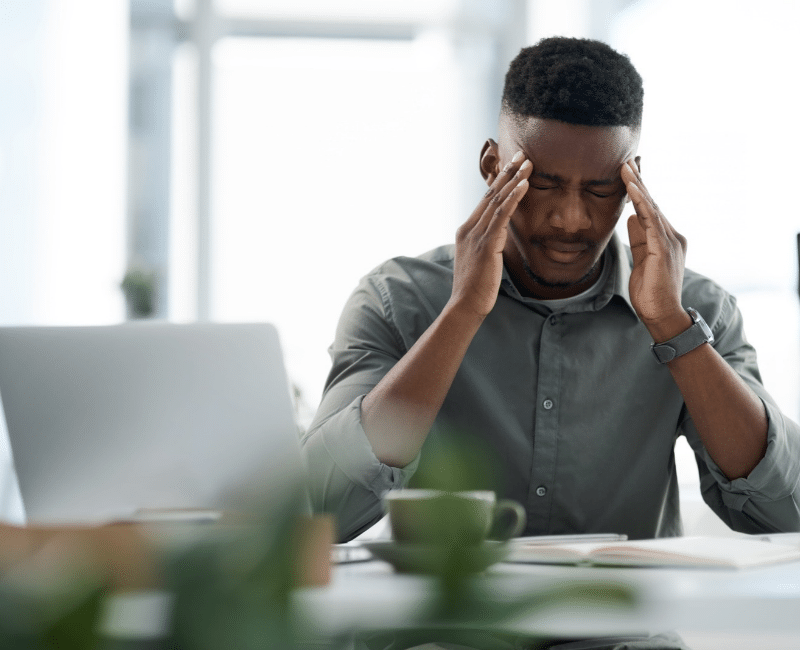

The use of marijuana for treating anxiety has gained popularity in recent years. However, while some individuals report relief, it’s important to be aware of some possible side effects and health risks. Let’s look into the short-term and long-term effects of using marijuana for anxiety, highlighting concerns such as increased anxiety, dependency, and other mental health issues. By exploring current research findings, personal anecdotes, and alternative treatments, this guide aims to help readers make informed decisions about their mental health.
Short-Term Effects of Using Marijuana
Immediate Psychological Reactions
Marijuana’s primary active ingredient, THC, affects the brain’s endocannabinoid system, which plays a role in regulating mood and anxiety. For some users, marijuana may initially provide relief from anxiety symptoms. However, the effects can be unpredictable. In some cases, marijuana can exacerbate anxiety rather than alleviate it. Users may experience heightened anxiety, paranoia, or panic attacks, especially at higher doses or with strains high in THC.
Impaired Cognitive Function
Another short-term effect of marijuana use is impaired cognitive function. THC can impact short-term memory, attention, and decision-making abilities. These cognitive impairments can pose challenges for individuals using marijuana to manage anxiety, particularly if they need to function effectively in daily activities or work environments.
Physical Side Effects
Physical side effects marijuana can cause include: increased heart rate, dry mouth, and red eyes. These symptoms are usually not severe. However, they can be uncomfortable and may contribute to overall feelings of anxiety. Additionally, marijuana smoke can irritate the lungs and lead to respiratory issues, especially in individuals with preexisting conditions.
Long-Term Effects of Using Marijuana
Dependency and Addiction
One significant concern with the long-term use of marijuana for anxiety is the potential for dependency and addiction. Although marijuana is legal in many states, it does not exclude the possibility of dependence. Regular use can lead to tolerance, where individuals need to use higher doses of a substance to experience the same effects. Over time, this can result in dependence, making it challenging to stop using marijuana without experiencing withdrawal symptoms such as irritability, insomnia, and increased anxiety.
In many cases, it is best to seek professional help. Renowned institutions like Harmony Ridge Recovery Center provide guidance and safe and customized marijuana addiction treatment. This well-known and accredited institution with top-notch experts offers effective evidence-based programs and comprehensive care and support to help people achieve full recovery.
Impact on Mental Health
Long-term marijuana use has been linked to various mental health issues. As suggested in The Long-Term Effects of Marijuana Use on Mental Health Outcomes by Amialchuk, A., Ali, M.M., prolonged use can increase the risk for the development of mood disorders like anxiety and depression. For some individuals, particularly those with a predisposition to mental health conditions, marijuana use may worsen their symptoms or trigger new ones.
In addition to that, there is evidence to suggest a link between heavy marijuana use and a higher risk of psychosis, especially for those who have a family history of mental health disorders.
Cognitive Decline
Chronic marijuana use can lead to long-term cognitive decline. Research indicates that prolonged use, especially when started at a young age, can result in lasting impairments in memory, attention, and executive function. These cognitive deficits can interfere with daily life and may be particularly concerning for those using marijuana to manage anxiety, as they may struggle with concentration and decision-making.
A notable study conducted by Meier et al. monitored 1,037 people from birth to age 38 and found that those who developed cannabis dependence exhibited significant cognitive decline, including a drop of 3 to 8 IQ points, particularly in areas related to executive function and processing speed. These impairments were more pronounced in individuals who began using cannabis during adolescence, highlighting the vulnerability of the developing brain to the neurotoxic effects of cannabis.
Current Research Findings on Marijuana and Anxiety
Mixed Results in Studies
Research on the efficacy of using marijuana for anxiety is mixed. According to some studies, some components of marijuana, like CBD, may have anxiolytic (anxiety-reducing) properties. However, the evidence is inconclusive, and more research is needed to understand the long-term effects and optimal usage.
On the other hand, high doses of THC, another prominent component of marijuana, are associated with increased anxiety. THC can cause anxiety, paranoia, and even panic attacks, particularly in high doses or when used by individuals with a predisposition to anxiety disorders. The variability in THC and CBD concentrations across different marijuana strains further complicates predicting their effects accurately.
Lack of Standardization
The lack of standardization in marijuana products contributes significantly to these mixed outcomes. Different strains contain varying levels of THC and CBD, and the methods of consumption (smoking, vaping, edibles) also affect the experience. This lack of consistency makes it difficult to establish reliable therapeutic guidelines for using marijuana to manage anxiety.
Anecdotal Evidence
Individual responses to marijuana can vary widely. Some people may find relief from anxiety symptoms, while others may experience worsening symptoms. Personal anecdotes and small-scale studies highlight these varying responses, emphasizing the need for personalized approaches to treatment and caution when considering marijuana as an option for anxiety management.
Alternative Treatments for Anxiety
For those who are experiencing anxiety, consulting a healthcare provider is imperative. A professional can evaluate the best ways to approach treatment.
Cognitive Behavioral Therapy (CBT)
Cognitive Behavioral Therapy is a well-known treatment method for anxiety disorders. anxiety disorders. This therapy can help people recognize and deal with the negative patterns of thinking and behaving that lead to anxiety. It has demonstrated efficacy across a variety of anxiety conditions and offers a non-pharmacological approach to managing symptoms.
Medications
Several medications are available for treating anxiety, including selective serotonin reuptake inhibitors (SSRIs) and benzodiazepines. They can help manage anxiety symptoms and are often prescribed by healthcare providers. However, they also come with their own risks and side effects, which should be discussed with a medical professional. Veriheal consultation fees may also be a consideration for those seeking medical guidance. Some individuals explore medical marijuana as an alternative, and understanding state-specific certification requirements, such as in this Washington MMJ certification guide, can help them make informed decisions.
Lifestyle Changes
Incorporating lifestyle changes can also help manage anxiety. Incorporating lifestyle changes can also help manage anxiety. Things like regular workout, a balanced diet, adequate sleep, meditation and yoga can significantly impact anxiety levels. These changes can improve overall well-being and reduce the need for pharmacological interventions.
Herbal Supplements
Some individuals explore herbal supplements as a natural alternative to manage anxiety. Supplements like valerian root, passionflower, and kava have been used for their potential calming effects. However, it is essential to approach these with caution and consult a healthcare provider, as herbal supplements can interact with other medications and may not be suitable for everyone.
Making Informed Decisions About Using Marijuana for Anxiety
Consulting Healthcare Providers
Before using marijuana for anxiety, it is imperative to consult with a healthcare provider. A medical professional can help evaluate the potential risks and benefits based on an individual’s specific circumstances and medical history. In addition, you might recognize the signs of dependency, such as an increased tolerance, withdrawal symptoms, or a negative impact on daily responsibilities, that you want to discuss with your doctor.
Seeking help from a specialized addiction counselor can provide a tailored approach to your situation. For those experiencing dependency issues, enrolling in a marijuana treatment program can offer supervised and personalized guidance. It provides structured support, including medical supervision, counseling, and behavioral therapies designed to address the psychological and physical aspects of addiction.
Monitoring and Adjusting Usage
For those who choose to use marijuana for anxiety, monitoring and adjusting usage is essential. Keeping track of the strains, doses, and frequency of use can help identify patterns and potential triggers for increased anxiety or other side effects. This practice assists in understanding personal reactions and aids in communicating effectively with healthcare providers.
It is also important to remain open to adjusting or discontinuing use if adverse effects outweigh the benefits. Regularly reassessing the impact of marijuana on anxiety and overall well-being can ensure that it remains a helpful component of one’s treatment plan.
Staying Informed
Staying informed about the latest research and developments in marijuana and anxiety treatment is crucial. As more studies are conducted, our understanding of the potential risks and benefits will continue to evolve. This ongoing education can include reading scientific journals, following updates from reputable health organizations, and attending relevant conferences or seminars.
Being aware of new information can help individuals make better-informed decisions about their mental health treatment. Engaging with support groups or communities can also provide access to shared knowledge and experiences, further enhancing one’s ability to manage anxiety effectively.
The Takeaway
Using marijuana for anxiety presents a range of potential risks and side effects, both in the short-term and long-term. Increased anxiety, dependency, cognitive impairments, and other mental health issues are significant concerns that need to be carefully considered. Current research provides mixed results, and personal experiences vary widely. Treatments such as Cognitive Behavioral Therapy, medications, lifestyle changes, and herbal supplements offer other options for managing anxiety. Consulting with healthcare providers and staying informed can help individuals navigate their choices and prioritize their mental health effectively.