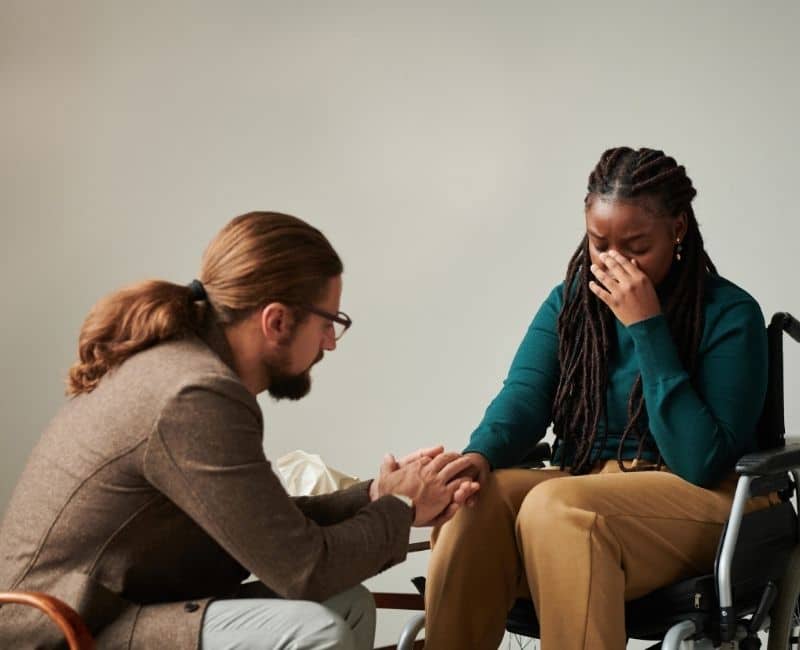
A serious accident can leave more than physical injuries behind, because even after cuts heal and medical appointments become less frequent, many people find themselves struggling with changes they never expected.
One of the most common changes is avoidance, which can show up in small ways at first, but eventually may begin affecting daily routines, relationships, and work. For someone who has never experienced trauma, these behaviors can seem confusing. However, for accident survivors, avoidance is often the mind’s way of trying to stay safe after something frightening has happened.
What Does Avoidance Behavior Actually Look Like?
When people hear the word avoidance, they often think it means refusing to deal with a problem, but in reality, it is usually much more complicated than that.
After an accident, a person may start avoiding places or activities that remind them of what happened. Someone involved in a serious car crash may suddenly avoid driving on highways, refuse to sit in the passenger seat, and even become uncomfortable around heavy traffic or certain sounds that trigger memories of the event.
The important thing to understand is that these reactions are not intentional; the brain is just associating certain environments with danger, even when the actual threat is gone. At first, avoidance often feels helpful because it temporarily reduces anxiety, but the problem is that the relief usually does not last very long.
Why the Brain Tries to Protect Itself This Way
Trauma changes the way the brain processes safety and danger, and after a frightening experience, the brain can become highly alert, constantly scanning for anything that resembles the original event.
Imagine someone who was seriously injured in a collision. Even months later, they may feel their heart race when they hear screeching tires or see sudden traffic congestion, as their mind remembers the fear before they even have time to think about it.
This is one reason emotional recovery can sometimes take longer than physical recovery, because even though legal matters, insurance claims, and conversations involving attorneys like a Houston insurance claims lawyer may eventually reach a conclusion, the nervous system does not always move on according to the same timeline. The goal of the brain is to protect, and unfortunately, it sometimes becomes overprotective, treating ordinary situations as if they are ongoing threats.
Mistakes People Make When Trying to Cope With Trauma Alone
Recovering from trauma is not as simple as it seems, because most people genuinely want to feel better, but when they try to handle everything on their own, they sometimes fall into patterns that unintentionally make recovery more difficult.
This does not happen because they are weak or doing something wrong on purpose; rather, they are simply trying to survive the best way they know how. The challenge is that some coping strategies may provide temporary relief while quietly prolonging emotional pain in the long run.
Below are common mistakes made by victims trying to cope with trauma:
- Trying to Ignore Symptoms
One of the most common mistakes people make is convincing themselves that what they are experiencing is not serious enough to address.
Most times, they notice changes in their mood, sleeping habits, concentration, or anxiety levels, but they tell themselves it is probably stress. They assume things will eventually return to normal if they stay busy enough or give it enough time.
The problem is that trauma does not always disappear because it is ignored. In many cases, unaddressed emotional distress finds other ways to show itself. For instance, someone who believes they are coping well may suddenly become irritable with family members, struggle to focus at work, or feel exhausted despite getting enough sleep.
And because these would tend to happen often, people might sometimes fail to connect them to the original traumatic event. Instead, they blame themselves for being unproductive, distracted, or emotionally distant.
Although recognizing symptoms early does not mean someone is dwelling on the trauma, what it means is they are paying attention to what their mind and body are trying to communicate.
- Always Isolating Themselves
Trauma often creates a powerful urge to withdraw from other people, and at first, isolation can feel comforting because it removes social pressure and allows someone to avoid difficult conversations.
However, there is a difference between taking healthy personal space and completely disconnecting from others, because when isolation becomes a long term habit, it can make emotional struggles feel even heavier.
Thoughts that might seem manageable when shared with a trusted friend often become overwhelming when carried alone. Most times, family members might even misinterpret the withdrawal, as they may assume the person wants distance when, in reality, they do not know how to explain what they are feeling.
As time goes on, isolation can create a cycle where loneliness increases emotional distress. This is when breaking that cycle often starts with something small, like responding to a text message, accepting an invitation, or having an honest conversation with someone trustworthy.
- Relying on Unhealthy Coping Habits
When emotional pain feels difficult to manage, people naturally look for ways to reduce discomfort, but unfortunately, not every coping strategy promotes healing.
Some individuals throw themselves into work and never allow themselves a moment to process what happened, while others spend excessive time scrolling through social media, binge watching television, overeating, or engaging in habits that temporarily distract them from their emotions.
More often than not, the issue is not necessarily the activity, but when it becomes a way to avoid dealing with deeper feelings. Therefore, distraction can be useful in moderation, but healing usually requires more than staying busy.
Emotional wounds need attention just as physical injuries do, and many people are surprised to discover that the habits helping them escape uncomfortable emotions may actually be preventing them from moving forward.
- They Avoid Support Systems
Finally, another mistake trauma survivors sometimes make is pushing away the very people who could help them. Support systems come in many forms, and they can be family members, close friends, counselors, support groups, faith communities, or trusted mentors.
However, after a traumatic event, some people feel uncomfortable accepting help because they worry about becoming a burden or believe they should be able to handle everything independently.
This mindset is especially common among people who are used to being strong for others. They may spend years supporting family members, solving problems, and helping those around them, but when they suddenly need support themselves, asking for help feels unfamiliar.
Therefore, the reality is that healing is not a solo process, and human beings are wired for connection, so having someone listen without judgment, offer encouragement, or sit beside you during a difficult moment can make a significant difference.
Breaking the Cycle of Fear and Avoidance After Trauma
The challenge with avoidance behaviors is that they tend to expand if left unaddressed, which means that a person who initially avoids one road may eventually begin avoiding entire areas of town, and someone who feels uncomfortable driving at night may gradually stop driving.
What begins as a reasonable attempt to feel safe can slowly limit independence and freedom. This is the stage when family members start to notice these changes, as they may see victims becoming more withdrawn, less confident, or increasingly anxious in situations that never caused concern before.
Recovering from trauma is not just about getting past what happened; it often involves rebuilding confidence, restoring trust in everyday activities, and gradually reconnecting with parts of life that feel unsafe.
Support from therapists, counselors, trusted family members, and mental health professionals can help victims understand what they are experiencing and develop healthier ways of responding to fear. The goal is not to force someone to ignore their feelings. Instead, it is to help them move forward without allowing trauma to control every decision they make.
Endnote
Avoidance behaviors are a common response to trauma because the brain naturally wants to protect itself from future harm. While those behaviors may provide temporary comfort, they can gradually limit a person’s confidence, and emotional well being if they continue unchecked.
Hence, when people recognize these behaviors for what they are, they become better equipped to face their fears, regain control of their lives, and move forward at a pace that supports genuine healing.