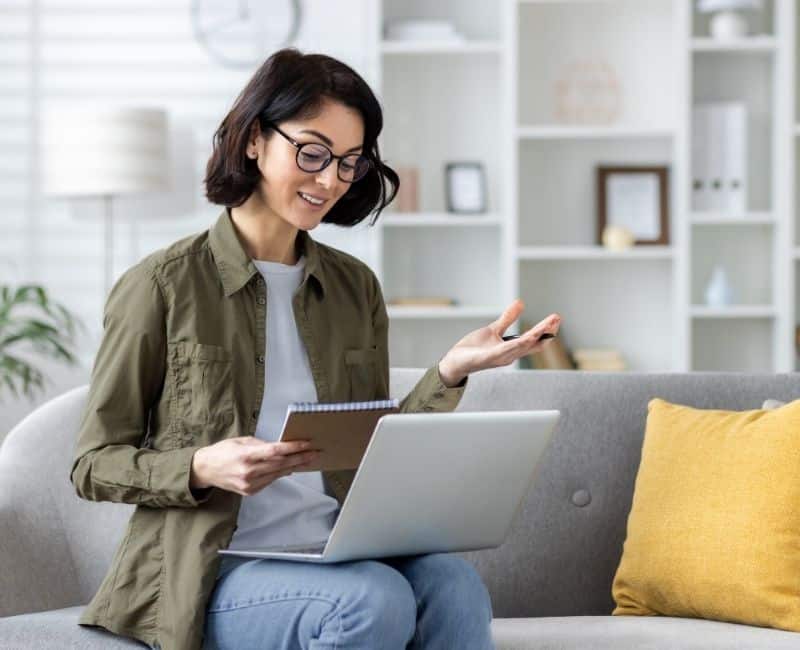
Providing counseling services can take an emotional toll, and many professionals experience burnout as a result of the stress.
Stress management techniques are incredibly important, and there’s no better place to relax than at home. You can make simple upgrades or take on larger renovations to make your home conducive to managing and releasing stress.
Why Stress Management Is Important
While your career is undoubtedly rewarding, providing counseling services can sometimes be overwhelming. Having some stress management techniques at the ready can help you feel better in moments of anxiety.
As a mental health professional, you know how stress affects our well-being. Around 76% of American adults have experienced health impacts because of stress, such as headaches and fatigue. Others note stress affects their eating habits and interest in hobbies or activities. Creating a stress-relieving space can help put your mind at ease.
Creating a Stress Release Area
A stress-relieving area could be anywhere from your bedroom to your living room. The main objective is to make it as calming and relaxing as possible. Here are ways to design your safe spaces.
1. Add Plants
Most households have indoor plants. While indoor plants elevate your home’s aesthetics, they may also reduce stress and increase happiness. Their very presence reminds you of nature, and caring for these living things is therapeutic for many people.
Aside from the trendiness of biophilic design, there are specific plants with calming properties. For example, lavender has a sweet smell and taste. You can take the leaves and boil them into tea. It’s also possible to extract oil to use for aromatherapy massages.
2. Adjust Lighting
Very few people realize the impact that lighting has on mood. However, factors like color and intensity have a significant effect. For example, softer and warmer lights are associated with rest and relaxation.
Natural lighting is also ideal, as it simulates the great outdoors. Try to center your stress-relieving spaces around windows and other openings. You can also explore ways to bring more natural light into your room or choose bulbs that mimic the ambience of natural light sources.
3. Organize Your Belongings
Many people appreciate the concept of minimalism because it improves the overall balance of your space. Consider decluttering your space to remove things that cause stress, such as old clothes.
Then, focus on improving the organization. Baskets and organizers can help you store items while improving the look of your space. Many also prefer cabinetry to hide belongings.
4. Take Advantage of Colors
A color palette dictates a space’s mood. Green is popular because it promotes balance and serenity, while blue may help you feel calm and peaceful. Purple can stimulate feelings of relaxation.
For a more drastic change, you can paint one of the rooms in your home. If you’re looking to make more simple upgrades, add rugs, pillows or blankets to your space. Some people also like to use decorative pieces like wall art canvas photo prints and displays to achieve the look.
5. Create Comfortable Seating
Comfortable seating is also a critical factor in a stress-relieving space. Sinking into a chair after a long day helps you process daily stressors. Wider variations, like a couch, allow you to lie down and stretch. Material is also important — options like memory foam padding can relieve pressure while accommodating your body shape.
6. Promote Personalization
As a counseling expert, you understand that one-size-fits-all solutions are not typically beneficial. So, try to assess what would relieve your stress and incorporate it into your home design.
For example, some people like having photos of their loved ones or interests displayed around the home. If cooking provides stress relief, a more expansive kitchen counter is ideal.
Example of Natural Stress Release Spaces
The following locations make excellent and effective stress-relieving spaces.
1. Fireplaces
Remember gathering around the fireplace with your loved ones on special occasions? While the people you’re with can relieve stress, the presence of fire also makes an impact. Its illumination and soft crackling make the space feel more cheerful and comfortable in the long run.
You can install a fireplace in your living room or dedicate some time to revamping the area around your current fireplace. You might add a chair with a cozy blanket and a small table to hold a steaming cup of tea. You can also install a fireplace in your bedroom to stay in bed and escape the busy life.
2. Reading Nook
If you love to read, create a reading nook where you can traverse fictional worlds and melt away the stress of the real world.
Place the reading nook next to the window. Natural light provides plenty of solace. You can also have this area tucked away in a corner, provided you have ample lighting for reading.
3. Meditation Space
You can also incorporate a meditation space in your home. Remember to choose a quiet space where you can concentrate. Ideally, this space will have some soundproofing — you can add rugs and blankets or hang acoustic panels if you do not want to take on a larger renovation.
You can also choose a spot near a window if a view helps you concentrate when practicing mindfulness exercises. However, if you live in a traffic-heavy area, a windowless space, such as a corner in your basement, may be ideal. If you prefer music, add a speaker and play soft tunes during your meditation time.
4. Bath Tub
A warm bath after a long day at the office can be an amazing stress reliever. Scented candles, bubble bath products and bath bombs can increase your relaxation.
You can also indulge in a skincare treatment like a face mask. This end-of-day routine may help your mental well-being.
5. Outdoor Patio
As cozy as the indoors are, there are times when you want to lounge around while surrounded by nature. An outdoor patio is the perfect place to do so. You will enjoy fresh air and greenery while also getting a healthy dose of sunlight.
Remember to protect yourself from the sun with a shaded roof or a canopy umbrella. That way, you can comfortably enjoy your choice of snacks and drinks under the clouds without worrying about the UV rays.
6. Outdoor Fitness Area
An outdoor fitness area is excellent for decompressing. As long as you have enough space, you can place your mat on a deck.
All forms of physical activity help release stress, but yoga is exceptional. This exercise can improve your overall mood by boosting certain brain chemicals.
Improve Your Home
While counselors are used to listening to their clients without absorbing their emotions, it’s difficult not to bring work home with you sometimes. To help you manage your stress, you can create stress-relieving spaces in your home.
Author Bio
Jack Shaw is a senior writer and editor at Modded, where he passionately explores the intricate connections between physical health, mental well-being, and the dynamics of interpersonal relationships. With a keen eye for detail and a knack for crafting engaging content, Jack’s articles offer valuable insights into living a balanced and fulfilling life.