Let’s be real—getting older doesn’t mean you stop being independent. Most seniors we know aren’t slowing down anytime soon. They’re still going on walks, doing the crossword every morning, gardening, traveling, even trying out pickleball. But one thing that does shift with age? How we think about safety.
That’s where something simple—but powerful—like a medical alert bracelet comes in.
It’s not just a wristband. It’s peace of mind wrapped around your wrist. And for a lot of families, a bracelet-based alert system has become the quiet hero in the background—keeping loved ones safe without cramping their style or freedom.
So, how does something so small make such a big difference? Let’s break it down.
Why Safety Gets More Important With Age (Even If You Still Feel 40)
Here’s the thing: accidents don’t wait for a convenient moment. Slips in the bathroom, sudden dizzy spells, blood pressure drops—they can happen to anyone. But the older we get, the harder it can be to bounce back without help.
According to the CDC, one in four people over 65 falls each year. And for those living alone, that can turn into a scary situation—fast.
But what if help could be just one tap away? That’s exactly what a medical alert bracelet offers. It doesn’t rely on you finding your phone or yelling for help. It’s right there, ready when you need it.
Okay, So What Is a Medical Alert Bracelet Exactly?
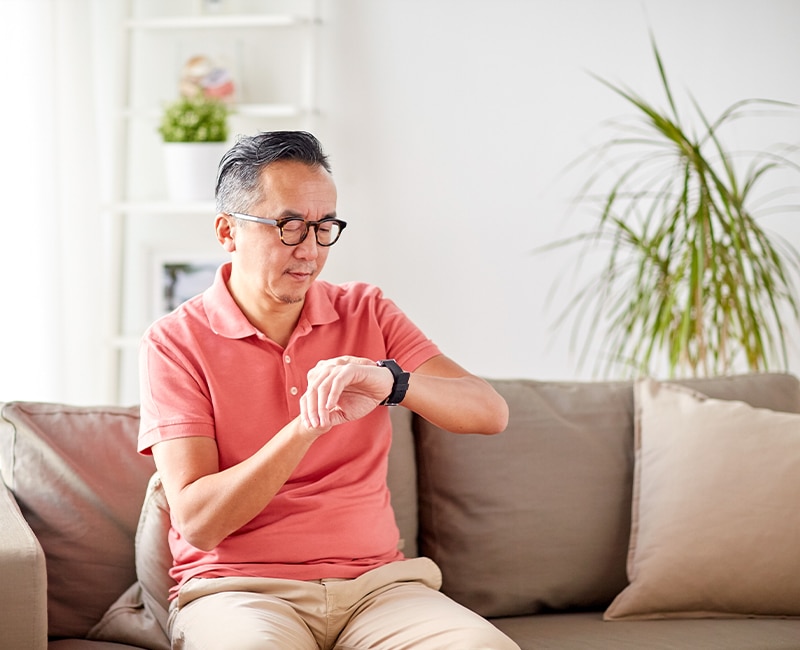
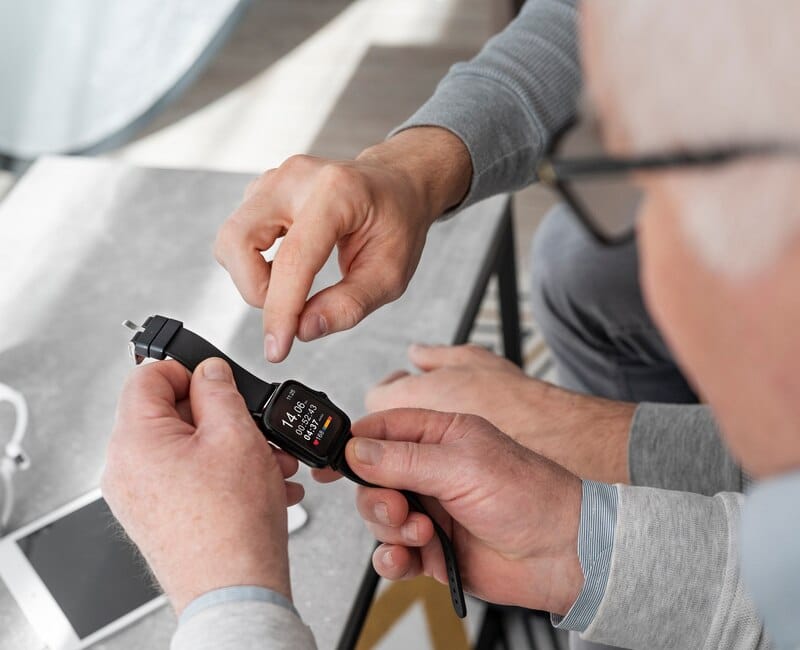
Picture a watch or fitness tracker—but instead of counting steps, it’s focused on keeping you safe.
Most bracelets connect to a 24/7 response center. Press the emergency button, and you’re instantly connected to a real person who can send help—whether that’s EMTs, a neighbor, or your adult kids.
Many of these bracelets also come with fall detection, so even if you’re unable to press the button, the device knows something’s wrong and acts fast. And for those who like to stay active? GPS tracking makes sure responders can find you, even if you’re out and about.
Some newer models even track vitals like heart rate and oxygen levels—giving you and your doctor early heads-up on potential health issues.
It’s Not Just About Safety—It’s About Confidence
This part doesn’t get talked about enough. Medical alert bracelets don’t just save lives—they also change lives.
For seniors, wearing one isn’t about being afraid—it’s about feeling more in control. You don’t have to worry as much about “what if something happens” while you’re home alone or out for a walk.
For adult children or caregivers, it’s the mental relief of knowing someone’s got their back when you can’t be there. You’re not hovering or calling every five minutes—you’re giving them space while still keeping them safe.
That peace of mind? That’s priceless.
Why a Bracelet Wins Over Other Devices
You’ve probably seen those emergency necklaces or wall buttons. But bracelets are quickly becoming the go-to—because they’re just easier to wear and way less obvious.
They’re always on you (so you won’t forget them), they’re more comfortable, and they don’t look “medical.” Some even come in sleek styles or neutral designs that blend right in.
Plus, wall-mounted systems only work in the room they’re installed. And a necklace can get tucked into clothes or taken off at night. A bracelet? You’ll wear it without even thinking about it.
How to Pick the Right One
There are a lot of options out there. So if you’re choosing one for yourself or someone you love, here’s what to look for:
- 24/7 live monitoring: You want real humans responding, not a robot.
- Fall detection: Crucial if balance is a concern.
- GPS tracking: Especially helpful for seniors who still like to get out and about.
- Waterproof design: Because slips in the shower are a real thing.
- Comfort and style: If it’s annoying to wear, it’s going to sit on a dresser instead of a wrist.
The goal? Find something that’s functional and wearable—so it becomes part of your daily routine, not a hassle.
Who Should Seriously Consider One?
While anyone can benefit, these bracelets are especially smart for people who:
- Live alone or spend time unsupervised
- Have a history of falls or balance issues
- Deal with chronic health conditions (like diabetes or heart problems)
- Like to stay active but want backup just in case
- Are moving into that phase of life where “better safe than sorry” starts sounding wise
Whether you’re 65 or 85, this isn’t about being fragile—it’s about being proactive.
Starting the Conversation: How to Talk to a Loved One About Wearing One
Sometimes the hardest part isn’t picking the right medical alert bracelet—it’s convincing someone to actually wear it. If you’ve ever tried to bring up safety devices with an independent parent or grandparent, you know it can feel like walking a tightrope.
No one wants to feel like they’re being treated “old” or fragile. And let’s be honest: nobody’s excited about adding a medical device to their daily wardrobe.
Here’s the key—focus on empowerment, not fear. Instead of saying, “What if you fall?” try framing it as, “This lets you keep doing all the things you love, without me worrying.” It’s not about limiting them—it’s about protecting their freedom to live life on their terms.
You can even highlight how sleek and subtle today’s bracelets are. Gone are the days of clunky, embarrassing devices. Many of them look like fitness bands or stylish watches—something anyone would feel fine wearing out and about.
And if they’re still on the fence? Suggest a trial run. Wearing it for a few weeks often builds trust in the device—and once they see how easy it is, it’ll become second nature.

Final Thoughts: It’s Not Just a Bracelet—It’s a Safety Net
Here’s what it all comes down to: a medical alert bracelet is a tiny piece of tech that makes a huge difference.
It’s not flashy. It’s not complicated. But it quietly does its job—keeping you or your loved one safe, connected, and confident.
Wearing one doesn’t mean you’re giving up independence. It means you’re doubling down on it. You’re saying, “I’ve got this. But if something goes sideways—I’ve also got backup.”
So if you’ve been thinking about it? Now’s the time. The sooner it’s on your wrist, the more at ease you—and your family—will feel.