
Anxiety disorders sit at the top of mental and behavioral conditions, accounting for roughly 12% of the global disease burden. When anxiety starts to shape your daily life, art for anxiety techniques can offer a surprisingly effective form of relief. According to the American Art Therapy Association, art therapy helps reduce symptoms of both anxiety and depression in a meaningful way.
Science backs this up. A Drexel University study found that cortisol levels drop after just 45 minutes of creative activity. Art engages both sides of the brain, blending emotional expression with focus, planning, and problem-solving. Here, you’ll discover why art therapy works and how you can use it to support emotional wellness, whether through professional guidance or a personal creative practice.
Therapeutic Techniques That Work

Art therapy provides several ways to relieve anxiety. Each technique brings its own benefits to help you express and manage emotions. You can find what works best by trying different methods that match your needs.
Drawing and painting for emotional release
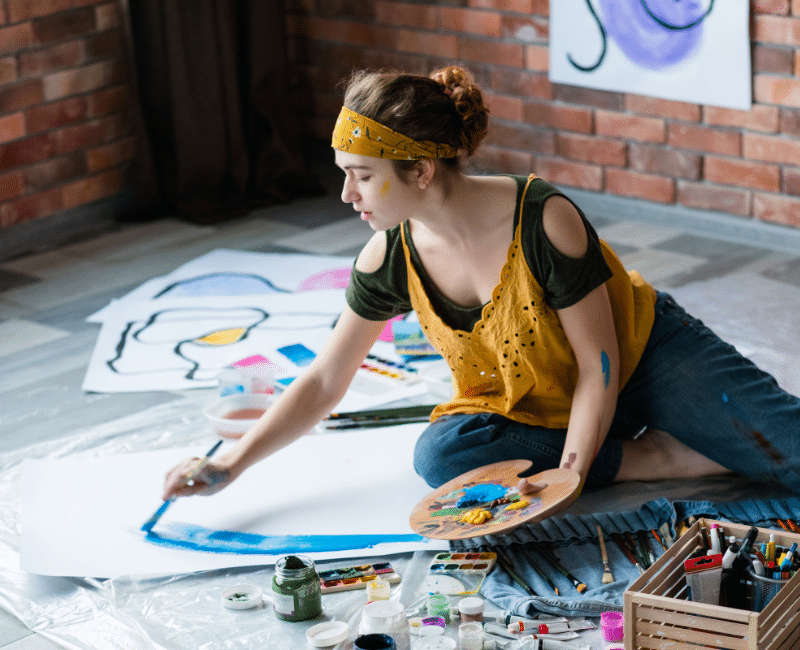
Drawing and painting let you express complex emotions that words can’t capture. These activities move your attention away from anxious thoughts and help your nervous system calm down naturally. Your anxious feelings become more manageable when you turn them into visual forms.
Research shows people who drew for just 20 minutes felt better than those who only looked at art. You don’t even have to create a painting from scratch, since you can start your project of painting by numbers in a matter of minutes. It’s all about the activity, not the starting point.
Clay modeling and tactile engagement
Clay work stands out because you can touch and feel it. Your brain’s somatosensory cortex and limbic system respond to physical contact with clay, which encourages emotional balance. This hands-on experience reduces anxiety and cortisol levels while making you feel more connected to your body. Clay’s natural resistance demands strength and keeps you focused on the present moment. A study revealed that “slapping the clay slab” helped 31.37% of participants reduce their anxiety most effectively.
Collage and mixed media for self-discovery
Collage is a great way to express yourself, especially if traditional art materials seem overwhelming. You can tap into your visual awareness and subconscious mind by picking and arranging images that catch your eye. The process creates a safe distance from difficult emotions while still letting you express them. This quiet self-expression helps piece together scattered memories into a complete picture.
Guided vs. freeform art therapy approaches
Art therapy methods range from guided to freeform approaches. Guided techniques use specific instructions that can boost alertness, memory, and executive functioning. Freeform methods let you express yourself spontaneously and focus on the creative journey rather than the final artwork. Both styles work well—guided methods enhance cognitive benefits, while freeform approaches excel at emotional expression and social wellbeing. Your personal needs and therapy goals determine the best approach.
How Art Therapy Helps with Anxiety
Art therapy is a chance to deal with anxiety in ways that go beyond regular approaches. Studies show that when people get involved in creative activities, they feel less anxious and depressed. This works even when other methods don’t help.
Understanding anxiety through a creative lens
Each person experiences anxiety in their own way. It affects their emotions, thinking, actions, and physical responses. About 6.5% of kids and teens worldwide deal with anxiety disorders. Art therapy lets you see overwhelming feelings from a different view. You don’t just talk about your anxiety – you can see and touch it. This creative approach helps turn abstract worries into real images that you can work with, change, or let go. Research shows that art therapy reduces anxiety symptoms by a lot, with a standardized mean difference of -1.42.
Why traditional talk therapy may fall short
Talk therapy depends heavily on using words, which creates some problems for treating anxiety. Many anxious people find words nowhere near enough to express what they feel in their bodies. On top of that, trauma runs deeper than thoughts – it gets stored in your body’s nervous system. Sometimes talking about anxiety can make physical symptoms worse instead of better. All but one of these patients don’t respond well to cognitive behavioral therapy alone. This shows why we need other approaches like art therapy.
How art provides a safe space for expression
Art therapy creates a protected space where emotions can flow freely without judgment. When you paint, sculpt, or draw, you put your feelings outside yourself. This makes them easier to handle. Looking at your emotions from the outside helps you see them more clearly. The creative process stops anxious thoughts from spinning out of control. Using your hands with art materials naturally helps you relax. Research proves that 45 minutes of creative work can lower your cortisol levels by a lot. Cortisol is the hormone that makes you feel stressed.
The Science Behind Art and Anxiety Relief

Research shows that making art creates measurable changes in your body and brain that help explain why it works so well to reduce anxiety.
How art affects the brain and nervous system
Creating art activates multiple regions of your brain at once. EEG studies show increased activity in the prefrontal cortex during art-making. This area handles higher cognitive functions and emotional regulation. Your prefrontal cortex works with the amygdala to process emotions. Art therapy helps calm your body’s stress response by engaging both the cognitive “high road” and emotional “low road” neural pathways.
The role of dopamine and cortisol in stress
Your brain’s reward system releases dopamine when you create art. This neurotransmitter brings pleasure and motivation. Your cortisol levels (the main stress hormone) drop at the same time. A groundbreaking study found that 75% of people had much lower cortisol levels after just 45 minutes of making art. The hypothalamic-pituitary-adrenal (HPA) axis regulates stress reactions and becomes more balanced through creative expression.
Neuroplasticity and emotional regulation
The sort of thing I love is how art therapy promotes neuroplasticity—your brain’s ability to reorganize and form new neural connections. This allows healing from anxiety as your brain creates new pathways around negative thought patterns. Creative activities can also increase heart rate variability (HRV). This suggests greater activity in your parasympathetic nervous system—your body’s natural “rest and digest” response.
Real-World Impact and Getting Started

Art therapy shows exceptional results that go beyond theory and research. People looking for anxiety relief have seen remarkable outcomes.
Case examples of anxiety art therapy success
Art therapy’s power to transform lives shines through stories like John’s. This 45-year-old veteran with PTSD saw his symptoms reduce after he used art to process his war experiences. A 16-year-old student named Olivia found that her anxiety eased through art therapy sessions. Her grades improved, and she became more social. These aren’t just isolated cases. One therapist noted that clients who used art therapy resolved trauma symptoms that had lasted over 40 years.
How to find a certified art therapist
Look for professionals who have master’s-level training in art therapy or related health fields. Qualified art therapists hold credentials like ATR-P, ATR, ATR-BC, or ATCS. The Art Therapy Credentials Board regulates these to ensure competent and ethical practice. You can find certified therapists through the American Art Therapy Association’s locator tool and the ATCB national registry database. These credentials show verified skills, training, and steadfast dedication that validate a practitioner’s qualifications.
Tips for starting your own creative practice
Pick a special time each week to make art—even 10 minutes daily can help. Create an art corner at home with supplies ready to use. Your creativity needs consistency more than inspiration. Regular practice helps you experience “flow”—that feeling of losing yourself in the creative moment. Simple doodling helps when you feel blocked instead of pressuring yourself to create something amazing. You can reset your focus with breathing exercises. Try inhaling for four seconds, hold briefly, then release. Repeat this for three minutes.
Conclusion
Art therapy offers a practical, science-backed way to manage anxiety through creative expression. By engaging in art-making, you give emotions a place to go when they feel stuck in your mind or body. Research shows this process lowers cortisol while increasing dopamine, helping your brain respond to stress in a calmer, more balanced way.
Unlike traditional talk therapy, art bypasses the need for perfect words. You can start with a certified art therapist or simple activities at home, because skill does not matter. What matters is feeling safe enough to express yourself. Even brief daily creativity can steady your nervous system and open new paths toward lasting emotional relief.