
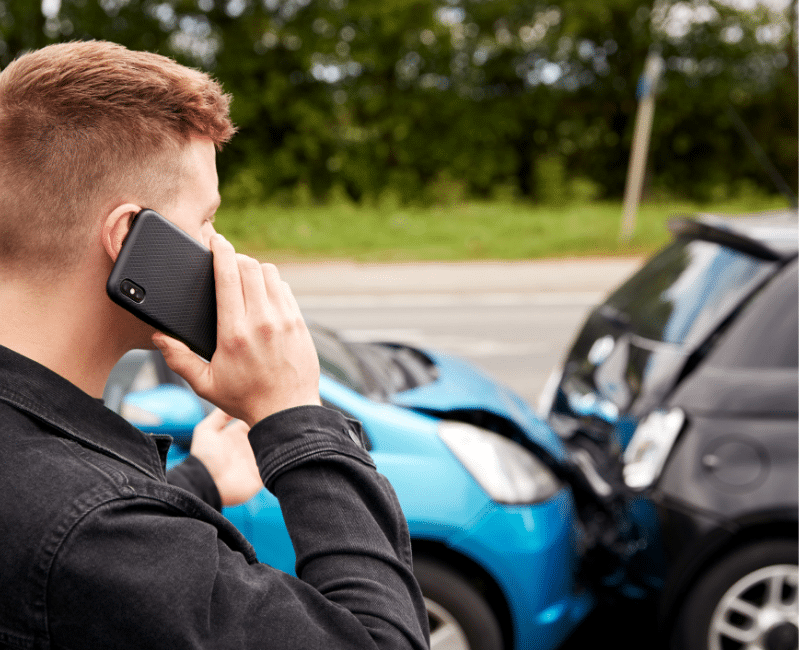
A simple trip to a grocery store, a walk across a parking lot, or a visit to an apartment building rarely feels dangerous. These are places people move through with little thought because they seem familiar, routine, and manageable. That everyday sense of predictability helps people feel at ease in their surroundings.
An accident can disrupt that feeling in seconds. A fall caused by a wet floor, an uneven sidewalk, poor lighting, or a damaged stair can leave more than a physical injury. It can change the way a person experiences ordinary spaces long after the incident is over. Places that once felt neutral can begin to trigger caution, discomfort, or fear.
For many people, the emotional effects appear gradually. They may hesitate before entering a similar environment, pay unusual attention to the ground beneath them, or feel tense in settings that never bothered them before. These reactions often reflect the mind’s attempt to prevent another harmful experience. When an injury happens in a specific setting, the brain can connect that environment with danger.
Over time, this shift can affect daily routines, confidence, and overall well-being. Tasks that once felt automatic may begin to require more mental effort. The body may respond with stress signals such as muscle tension, shallow breathing, or a racing heart when entering a place that feels remotely similar to where the accident happened. These responses are not irrational. They are part of how people process distress and try to protect themselves from future harm.
Understanding these changes can make recovery feel less confusing. It helps explain why ordinary environments may no longer feel ordinary and why emotional healing after an accident often takes longer than people expect.
When Familiar Places Become Psychological Triggers
After an accident, the brain often forms a powerful connection between the event and the place where it happened. This is a natural response. The mind stores information about danger so it can recognize similar situations later. When an injury occurs in a specific environment, that location can become associated with pain, shock, embarrassment, or a sense of loss of control.
This process does not always happen at a conscious level. A person may return to the same place and feel uneasy before fully understanding why. A staircase may suddenly look steeper. A polished floor may seem risky even when it is dry. A parking lot, hallway, or store entrance can feel different because the mind now views it through the memory of a past injury.
Similar spaces can create the same reaction. The brain often responds to patterns and reminders rather than exact details. A person who fell in one store may later feel tense in another store with the same type of flooring or layout. Someone injured on a poorly maintained walkway may become anxious around cracked pavement or dimly lit paths elsewhere.
These reactions can affect behavior in obvious and subtle ways. Some people avoid certain locations altogether. Others continue to go where they need to go but feel a persistent need to scan for hazards, move more slowly, or brace themselves physically. This heightened awareness can be exhausting. It turns routine outings into situations that require constant caution.
When these patterns continue, they can reinforce a sense of danger in everyday environments. That can make normal life feel smaller and more stressful. Recognizing these responses as trauma-related triggers can help people understand that they are not overreacting. Their minds are responding to an event that changed how safety is perceived.
The Loss of Control After a Property-Related Injury
One of the most unsettling parts of an accident is how quickly it can strip away a person’s sense of control. Most people assume that common public and private spaces are reasonably safe. They expect floors to be maintained, walkways to be clear, and hazards to be addressed. When that expectation fails, the emotional effect can be immediate and lasting.
In the aftermath of an injury, confusion often takes over. People may struggle to understand how the accident happened so quickly. They may wonder whether there was a warning sign, whether the danger had been ignored, or whether the injury could have been prevented. Those unanswered questions can create an ongoing sense of instability.
Uncertainty often adds emotional weight to physical pain. When a person does not know why the accident happened or who may be responsible, the mind may keep revisiting the event in search of clarity. This can increase anxiety and make it harder to feel settled. Even daily decisions may begin to carry more doubt, especially in environments that resemble the original location.
For some people, getting a clearer understanding of responsibility helps reduce that stress. Speaking with a property injury attorney can provide insight into whether proper safety measures were in place and whether the incident reflects a preventable condition. That type of clarity can make a real difference. It provides people with information rather than assumptions and helps replace uncertainty with a more grounded understanding of what occurred.
Regaining a sense of control often starts with having reliable answers. When people feel informed, they may find it easier to process the event, make decisions about recovery, and begin rebuilding their confidence in everyday spaces.
How Unresolved Responsibility Can Prolong Anxiety
When an accident remains unresolved, the emotional effects often last longer than expected. The mind tends to look for closure after a distressing event. It wants to understand what happened, whether the harm could have been prevented, and how similar situations can be avoided in the future. Without that closure, anxiety can remain active in the background.
Many people replay the incident repeatedly, trying to make sense of it. They may question where they stepped, whether they missed a warning sign, or whether they should have reacted differently. This kind of rumination can become mentally exhausting. Instead of helping the person move forward, it keeps the event emotionally present.
There is also a strong emotional component tied to accountability. When someone is injured because a property was not maintained safely, the absence of acknowledgment can feel deeply frustrating. It may leave the injured person feeling dismissed or unsupported at a time when they are already coping with pain, medical appointments, and major disruptions to normal life.
That emotional strain can affect sleep, concentration, patience, and mood. The person may feel on edge without knowing exactly why. Even as visible injuries begin to heal, the mental pressure from unanswered questions can persist. This often makes recovery feel slower and more complicated.
A clearer understanding of responsibility can help reduce that burden. When people know what happened and why, they are often better able to let go of self-blame and constant second-guessing. Validation matters. It can ease the internal pressure created by uncertainty and support a more stable emotional recovery.
The Mind-Body Connection in Post-Accident Stress
The effects of a property-related injury are rarely limited to bruises, fractures, or physical pain. The body and mind influence each other constantly, so a distressing accident can continue to affect both long after the immediate danger has passed.
When an injury occurs, the brain activates the body’s stress response. Adrenaline rises, attention narrows, and the body prepares to protect itself. This response is useful in the moment, but it does not always fade as quickly as people expect. Even after the visible injury begins to heal, the nervous system may remain more reactive.
That can show up as muscle tension, sleep problems, fatigue, irritability, headaches, or difficulty relaxing. A person may feel physically recovered in some ways yet still experience an internal sense of alertness. Small reminders of the accident, such as a slick floor or a narrow stairway, can trigger a disproportionate stress response because the brain still associates those features with danger.
Research on the effects of trauma on the brain helps explain why this happens. Traumatic experiences can affect how the brain processes fear, memory, and safety cues. As a result, environments that resemble the original setting may feel threatening even when there is no immediate risk.
This connection between emotional stress and physical symptoms can make recovery feel complicated. A person may expect improvement to follow a straight line, only to realize that healing happens in layers. Physical treatment may address the injury itself, but emotional responses may continue to shape how safe the world feels.
Understanding the mind-body relationship can reduce frustration during recovery. It reminds people that emotional symptoms are not separate from the injury experience. They are often part of it.
Rebuilding a Sense of Safety in Everyday Environments
Returning to normal routines after an accident often takes more than physical healing. A person may be medically improving while still feeling uneasy in environments that once seemed ordinary. Rebuilding a sense of safety usually happens gradually, through repeated experiences that help the brain learn that not every similar setting leads to harm.
One helpful step is gradual re-exposure. Instead of avoiding every uncomfortable place, some people benefit from returning to those environments in manageable ways. That could mean walking through a store with a trusted companion, taking extra time on stairs, or choosing short visits before resuming longer routines. These smaller experiences can help replace fear-based expectations with more balanced ones.
Self-awareness also matters. People who understand their triggers are often better able to respond calmly when anxiety appears. A moment of hesitation near a slippery entrance or uneven pavement can become an opportunity to slow down, breathe, and assess the situation rather than react automatically. Over time, these responses can help restore confidence.
Mental health support can be valuable during this stage. Therapy can help people process the emotional residue of the accident, challenge catastrophic thinking, and reduce the intensity of fear connected to specific environments. It can also provide practical strategies for managing stress responses in the moment.
Practical reassurance matters too. When a person knows that risks have been identified, conditions have been addressed, and their concerns are valid, everyday spaces may once again feel more predictable. Emotional recovery is often stronger when both internal coping tools and external clarity support it.
Why Practical Support Plays a Role in Emotional Healing
Emotional recovery after an accident is often framed around therapy, coping skills, and time. Those factors matter, but practical realities also shape healing. When an injury affects work, finances, mobility, or day-to-day routines, emotional stress can increase quickly.
Medical bills, missed income, transportation challenges, and ongoing treatment can create pressure that lingers well beyond the accident itself. Even when someone is trying to stay focused on recovery, these unresolved concerns can keep the nervous system in a state of tension. Worry has a way of filling the background of daily life.
Clear guidance can reduce some of that burden. When people understand their options and feel supported as they navigate the consequences of an injury, they often experience greater stability. That sense of structure can make it easier to focus on healing rather than remain consumed by uncertainty.
Emotional recovery also tends to improve when people feel they do not have to carry every part of the situation alone. Support is meaningful because it creates room to process the experience without being overwhelmed by every practical concern at once. A person who feels seen, informed, and supported is often better positioned to rebuild confidence and emotional balance.
Access to mental health support services can strengthen this process by providing tools to manage stress, work through fear, and regain a sense of stability in everyday environments. Combined with practical clarity around the injury itself, that support can help recovery feel more manageable and more complete.
Conclusion
An accident in an everyday setting can change more than physical health. It can alter the way a person sees familiar places, turning ordinary environments into sources of stress, caution, or fear. These reactions are deeply human. They reflect the brain’s attempt to protect against future harm.
Recovery often involves more than returning to the same places. It requires rebuilding trust in those environments and in one’s own ability to move through them with confidence. That process may take time, especially when emotional responses remain tied to the memory of the injury.
Understanding the relationship between trauma, environment, and emotional well-being can make that experience easier to navigate. It allows people to respond to themselves with more patience and less confusion.
With emotional support, practical clarity, and time, everyday spaces can once again feel familiar. The goal is not to erase what happened. It is to move forward with a stronger sense of understanding, safety, and control.